THE ADVENTURE COLLECTIVE® · Independent discovery and booking for outdoor travel

Travel from Luxor to two of Upper Egypt’s finest Ptolemaic temples—Edfu’s pristine Horus sanctuary and Kom Ombo’s unique double temple to Horus and Sobek—on a private full-day tour. Expect air-conditioned transfers, guided exploration, and ample time to take in reliefs, river views, and the Crocodile Museum.
Travel from Luxor to two of Upper Egypt’s finest Ptolemaic temples—Edfu’s pristine Horus sanctuary and Kom Ombo’s unique double temple to Horus and Sobek—on a private full-day tour. Expect air-conditioned transfers, guided exploration, and ample time to take in reliefs, river views, and the Crocodile Museum.
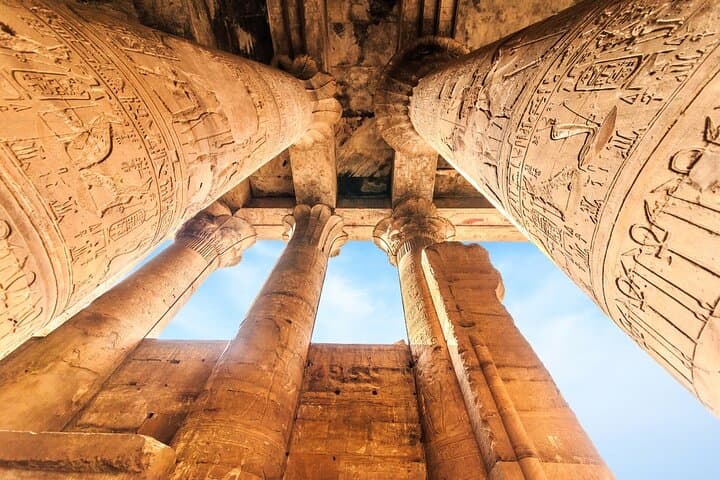
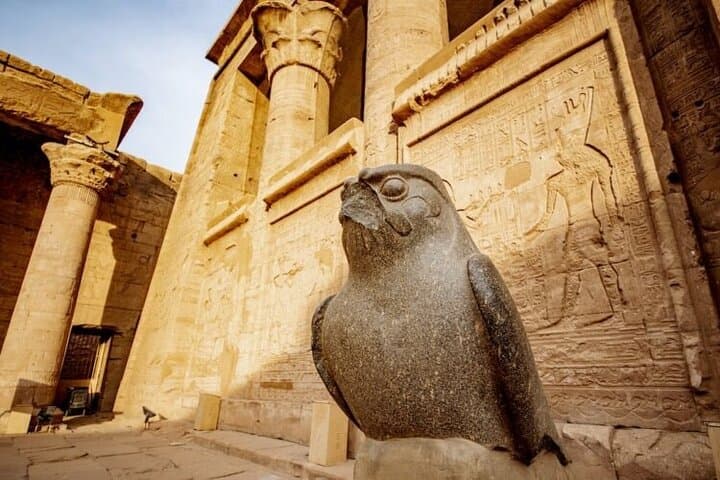
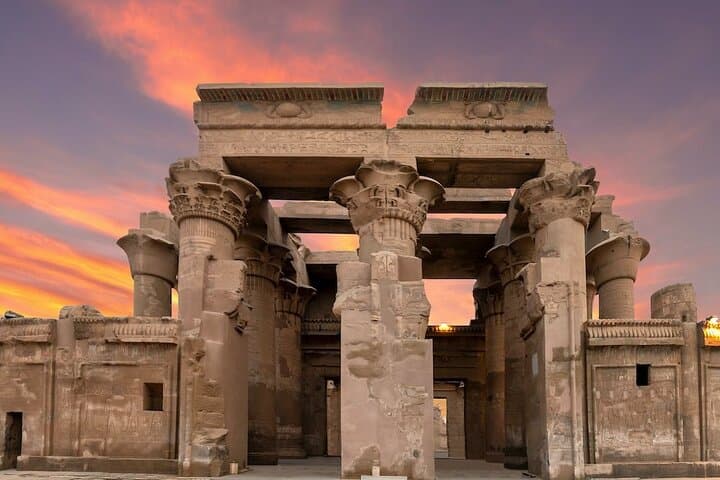
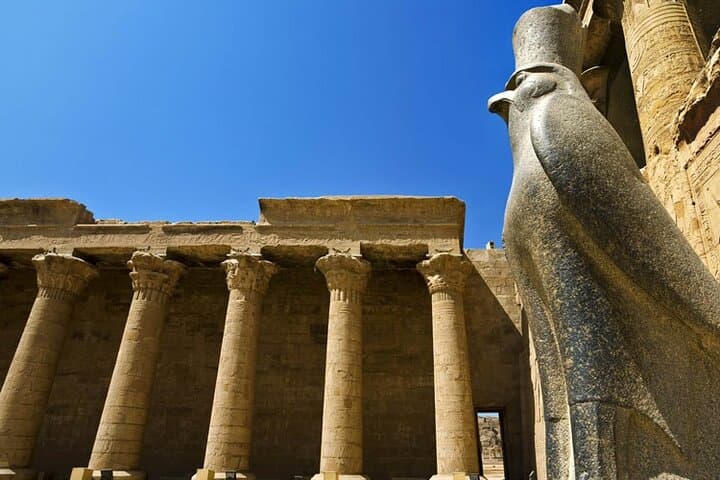
You step out before the heat and the Nile is a pale ribbon of light, the road unfurling toward temples that keep the old gods' arguments carved into stone. The drive from Luxor traces the river and small villages; at Edfu the massive pylon rises like a book cover opening on the Horus myth, its reliefs still crisp after two millennia. Later, Kom Ombo sits directly by the river—two mirrored sanctuaries honoring both Horus and the crocodile god Sobek—its terrace catching a breeze that cools sunbaked sandstone.
Verified experiences and guided adventures in the surrounding area.
Operated by NORTH AFRICAN SHIPPING AND TOURISM COMPANY (NASCO TOURS) · Luxor, Luxor Governorate
You step out before the heat and the Nile is a pale ribbon of light, the road unfurling toward temples that keep the old gods' arguments carved into stone. The drive from Luxor traces the river and small villages; at Edfu the massive pylon rises like a book cover opening on the Horus myth, its reliefs still crisp after two millennia. Later, Kom Ombo sits directly by the river—two mirrored sanctuaries honoring both Horus and the crocodile god Sobek—its terrace catching a breeze that cools sunbaked sandstone.
Both sites date mainly to the Ptolemaic era when Greek rulers revived Egyptian temple building; Edfu is one of the best-preserved temples in Egypt with an intact inner sanctuary and a long processional way, while Kom Ombo is notable for its rare double design and nearby Crocodile Museum. The geology is simple—Nile alluvium and sandstone—yet the monuments rise from it with monumental symmetry.
Practically, expect a private, air-conditioned transfer, roughly 8–9 hours total including stops (about 90 minutes at each major temple). Bring sun protection, a refillable bottle, and modest clothing for temple entry. Photography is generally allowed but watch signage; buy tickets on-site if not included and tip guides locally. Start early to avoid the midday heat and plan for some walking on uneven stone. The tour is accessible to most fitness levels but involves standing and stairs inside temple complexes. Take a moment at Kom Ombo to feel the river’s current and imagine the Nile’s role in shaping these rituals and livelihoods—then sip cold water and keep moving, history is waiting.
easy.
8–9 hours.
Suitable for most travelers who can stand and walk on uneven surfaces for short periods; minimal exertion.
The tour lasts about 8–9 hours round-trip from Luxor with private air-conditioned transport and a specialized guide; entrance to the temples is typically included for the highlighted sites—confirm at booking.
Yes; the itinerary is described as suitable for all physical fitness levels, though expect walking, stairs, and standing during site visits.
Photography is generally allowed in outer areas and courtyards, but follow posted signs and guide instructions regarding restricted inner sanctuaries or special exhibits.
Bring modest clothing that covers shoulders and knees, local currency for small purchases and tips, and a copy of your passport; the original is usually not required on-site if your operator has booking details.
Both Edfu and Kom Ombo were largely rebuilt in the Ptolemaic period (3rd–1st centuries BCE); Edfu honors Horus, while Kom Ombo’s unusual double layout serves both Horus and Sobek.
High visitor numbers can stress fragile reliefs and stone; follow site rules, avoid touching carvings, and support local guides and small vendors to help the region's economy.
NORTH AFRICAN SHIPPING AND TOURISM COMPANY (NASCO TOURS) operates guided outdoor trips and adventures with an emphasis on safety, stewardship, and memorable experiences.
You step out before the heat and the Nile is a pale ribbon of light, the road unfurling toward temples that keep the old gods' arguments carved into stone. The drive from Luxor traces the river and small villages; at Edfu the massive pylon rises like a book cover opening on the Horus myth, its reliefs still crisp after two millennia. Later, Kom Ombo sits directly by the river—two mirrored sanctuaries honoring both Horus and the crocodile god Sobek—its terrace catching a breeze that cools sunbaked sandstone.
You step out before the heat and the Nile is a pale ribbon of light, the road unfurling toward temples that keep the old gods' arguments carved into stone. The drive from Luxor traces the river and small villages; at Edfu the massive pylon rises like a book cover opening on the Horus myth, its reliefs still crisp after two millennia. Later, Kom Ombo sits directly by the river—two mirrored sanctuaries honoring both Horus and the crocodile god Sobek—its terrace catching a breeze that cools sunbaked sandstone.
Both sites date mainly to the Ptolemaic era when Greek rulers revived Egyptian temple building; Edfu is one of the best-preserved temples in Egypt with an intact inner sanctuary and a long processional way, while Kom Ombo is notable for its rare double design and nearby Crocodile Museum. The geology is simple—Nile alluvium and sandstone—yet the monuments rise from it with monumental symmetry.
Practically, expect a private, air-conditioned transfer, roughly 8–9 hours total including stops (about 90 minutes at each major temple). Bring sun protection, a refillable bottle, and modest clothing for temple entry. Photography is generally allowed but watch signage; buy tickets on-site if not included and tip guides locally. Start early to avoid the midday heat and plan for some walking on uneven stone. The tour is accessible to most fitness levels but involves standing and stairs inside temple complexes. Take a moment at Kom Ombo to feel the river’s current and imagine the Nile’s role in shaping these rituals and livelihoods—then sip cold water and keep moving, history is waiting.