THE ADVENTURE COLLECTIVE® · Independent discovery and booking for outdoor travel

Travel from Luxor through palm-lined fields to the Temple of Horus at Edfu and the unique double sanctuary of Kom Ombo, then continue to Aswan. This full-day route pairs dramatic temple architecture with relaxed Nile scenery and practical travel comforts.
Travel from Luxor through palm-lined fields to the Temple of Horus at Edfu and the unique double sanctuary of Kom Ombo, then continue to Aswan. This full-day route pairs dramatic temple architecture with relaxed Nile scenery and practical travel comforts.
Morning light slices low over the Nile as the road from Luxor slides past palm stands and farmers’ plots — the river seems to tug the land toward itself, urging travelers forward. On this day tour you leave the temple-clutter of Luxor behind and move through Upper Egypt’s open rhythms toward two of the valley’s most tactile monuments: the Temple of Horus at Edfu and the double temple of Kom Ombo on the riverbank.
Verified experiences and guided adventures in the surrounding area.
Operated by Monarch Vacations · Luxor, Luxor Governorate
Morning light slices low over the Nile as the road from Luxor slides past palm stands and farmers’ plots — the river seems to tug the land toward itself, urging travelers forward. On this day tour you leave the temple-clutter of Luxor behind and move through Upper Egypt’s open rhythms toward two of the valley’s most tactile monuments: the Temple of Horus at Edfu and the double temple of Kom Ombo on the riverbank.
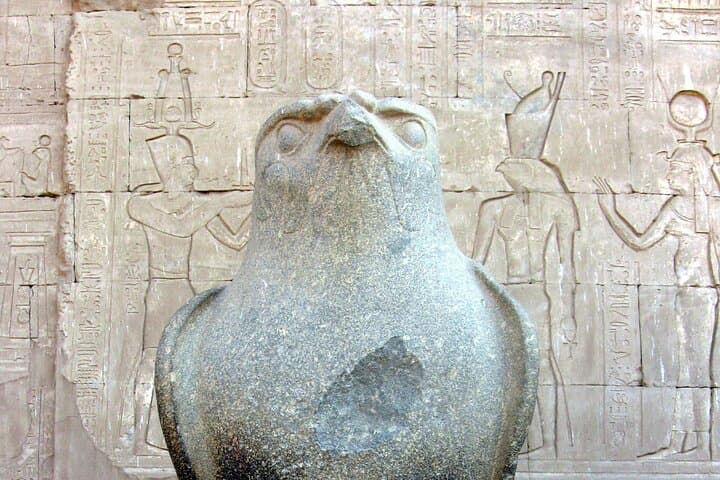
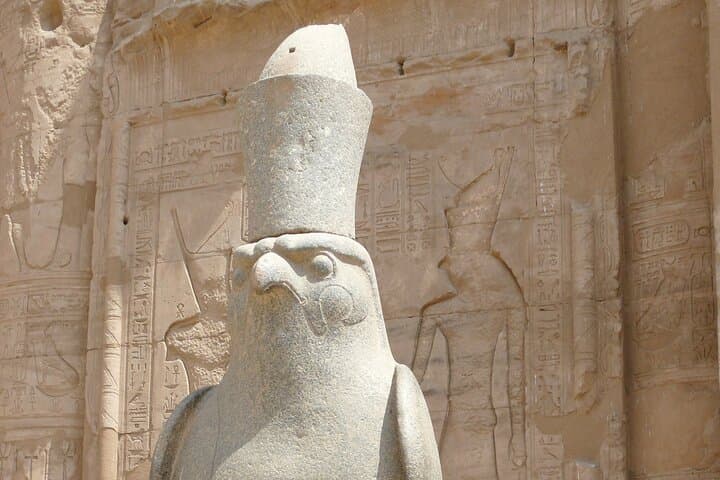
Edfu’s massive pylons and carved reliefs survive with an uncommon clarity; stone panels narrate the mythic contests between Horus and Seth and show ritual life with a near-living immediacy. Geologically the route crosses the Nile’s floodplain where alluvial silt made fertile fields that fed pharaonic civilization; culturally, the drive threads through villages whose rhythms echo ancient agrarian patterns.
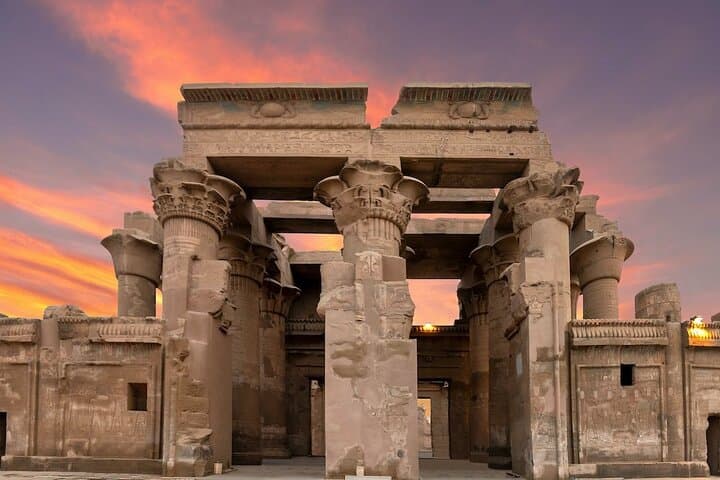
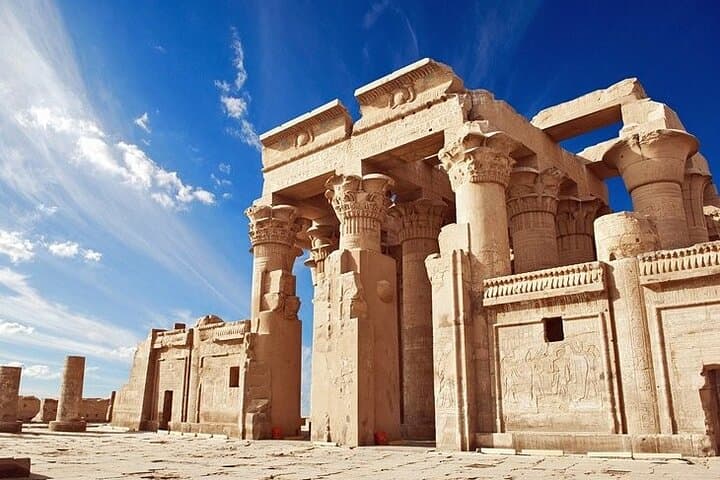
Kom Ombo, set on a Nile bend, personifies contradiction: twin sanctuaries mirror each other while one side honors crocodile god Sobek and the other Horus the Elder. Reliefs here reveal medical instruments and everyday scenes — a rare glimpse into practical ancient science.
Practical guidance: expect 6–9 hours with two guided temple visits and road transfers. Wear sturdy walking shoes for uneven stone floors, bring sun protection and 1–2 liters of water, and time visits for cooler morning light to avoid the noon heat. Photography is rewarding but respectful distance preserves carvings; follow your guide for entry logistics and local etiquette. The route balances slow, river-side panoramas with concentrated history — a compact, walkable immersion in classical Egypt that’s best experienced with steady pacing and simple planning.
moderate.
6–9 hours.
Moderate fitness for short walks, standing during guided talks, and navigating uneven temple surfaces.
This itinerary indicates admissions are included for the scheduled temple visits, but confirm at booking for any changes.
The drive typically takes about 2–3 hours one way, depending on traffic and stops along the Nile.
The tour involves walking on uneven stone and some steps; it’s manageable for children and those with moderate mobility but not recommended for significant back problems or late pregnancy.
Yes — visitors commonly photograph reliefs and exteriors; follow guide directions for indoor photography rules and avoid flash if requested.
Edfu’s Temple of Horus was completed in the Ptolemaic period and remains one of Egypt’s best-preserved ancient religious complexes; Kom Ombo’s double design reflects dual dedication to Sobek and Horus.
These temples are protected archaeological sites; minimizing touch, staying on designated paths, and using local licensed guides help preserve fragile reliefs and support conservation efforts.
Monarch Vacations operates guided outdoor trips and adventures with an emphasis on safety, stewardship, and memorable experiences.
Morning light slices low over the Nile as the road from Luxor slides past palm stands and farmers’ plots — the river seems to tug the land toward itself, urging travelers forward. On this day tour you leave the temple-clutter of Luxor behind and move through Upper Egypt’s open rhythms toward two of the valley’s most tactile monuments: the Temple of Horus at Edfu and the double temple of Kom Ombo on the riverbank.
Morning light slices low over the Nile as the road from Luxor slides past palm stands and farmers’ plots — the river seems to tug the land toward itself, urging travelers forward. On this day tour you leave the temple-clutter of Luxor behind and move through Upper Egypt’s open rhythms toward two of the valley’s most tactile monuments: the Temple of Horus at Edfu and the double temple of Kom Ombo on the riverbank.
Edfu’s massive pylons and carved reliefs survive with an uncommon clarity; stone panels narrate the mythic contests between Horus and Seth and show ritual life with a near-living immediacy. Geologically the route crosses the Nile’s floodplain where alluvial silt made fertile fields that fed pharaonic civilization; culturally, the drive threads through villages whose rhythms echo ancient agrarian patterns.
Kom Ombo, set on a Nile bend, personifies contradiction: twin sanctuaries mirror each other while one side honors crocodile god Sobek and the other Horus the Elder. Reliefs here reveal medical instruments and everyday scenes — a rare glimpse into practical ancient science.
Practical guidance: expect 6–9 hours with two guided temple visits and road transfers. Wear sturdy walking shoes for uneven stone floors, bring sun protection and 1–2 liters of water, and time visits for cooler morning light to avoid the noon heat. Photography is rewarding but respectful distance preserves carvings; follow your guide for entry logistics and local etiquette. The route balances slow, river-side panoramas with concentrated history — a compact, walkable immersion in classical Egypt that’s best experienced with steady pacing and simple planning.