THE ADVENTURE COLLECTIVE® · Independent discovery and booking for outdoor travel

A full-day private drive from Luxor to the remarkably preserved Edfu Temple and the unique double sanctuary at Kom Ombo. This guide covers what to expect, local history, and practical tips to make the most of the 6–7 hour cultural excursion.
A full-day private drive from Luxor to the remarkably preserved Edfu Temple and the unique double sanctuary at Kom Ombo. This guide covers what to expect, local history, and practical tips to make the most of the 6–7 hour cultural excursion.
Sunlight strips across the Nile plain as the car eases out of Luxor, palms and mud-brick villages sliding past like frames in a slow film. By mid-morning the stepped pylons of Edfu rise from flat fields—an almost intact Ptolemaic temple where reliefs of Horus still hold court. Later the road bends south and Kom Ombo appears, a compact double temple with mirrored chapels and carved crocodile niches that give the site a rare, split personality.
Verified experiences and guided adventures in the surrounding area.
Operated by Luxor Taxi - DayTour · Luxor, Luxor Governorate
Sunlight strips across the Nile plain as the car eases out of Luxor, palms and mud-brick villages sliding past like frames in a slow film. By mid-morning the stepped pylons of Edfu rise from flat fields—an almost intact Ptolemaic temple where reliefs of Horus still hold court. Later the road bends south and Kom Ombo appears, a compact double temple with mirrored chapels and carved crocodile niches that give the site a rare, split personality.
Edfu dates to the Ptolemaic period (3rd–1st century BCE) and survives because its stonework was spared later rebuilding; Kom Ombo’s double dedication—to Sobek and Haroeris—reflects local cult geography and Nile dynamics. Geologically the route follows the Nile floodplain: broad, flat, low-elevation terrain with fertile alluvium and few topographical challenges. Culturally, these sites illustrate Egyptian temple ritual, animal cults, and the Greek-era continuation of pharaonic practice.
For travelers this private day tour is practical: expect roughly 6–7 hours total, two guided stops of about 90 minutes each, and several hours of driving in an air-conditioned vehicle. Walking is limited but involves uneven stone floors, steps, and sun exposure. Bring a sun hat, water, and modest clothing; entrance fees are usually paid on-site and a knowledgeable Egyptologist guide will contextualize hieroglyphs, alignment, and carved scenes.
Timing matters—visit mid-morning or late afternoon to avoid the peak heat, and allow flexibility for traffic and local markets. Respect the sites: don’t touch painted reliefs, keep voice levels low inside inner chambers, and tip guides and local attendants fairly. This is a day of concrete history, broad river views, and close-up archaeology—quiet, immediate, and surprisingly tangible.
easy.
6–7 hours.
Minimal fitness required—able to walk short distances and climb temple steps, with frequent rests for shade.
This private tour typically does not include site entrance fees; bring local currency to purchase tickets at Edfu and Kom Ombo.
Expect roughly 1.5–2 hours from Luxor to Edfu and about 1–1.5 hours between Edfu and Kom Ombo depending on traffic and stops.
Yes—walking is limited to temple precincts and the tour pace is flexible, but sun exposure and uneven surfaces mean planning breaks is important.
Photography is generally allowed in outdoor areas; some interior chambers or specific reliefs may restrict flash—ask your guide before photographing delicate surfaces.
Edfu’s Ptolemaic temple was built between 237 and 57 BCE and is one of Egypt’s best-preserved stone temples; Kom Ombo’s split dedication reflects a dual cult centered on Nile ecology and health.
Tourism places wear on ancient stone—avoid touching painted surfaces, follow marked paths, and support local conservation by hiring certified guides.
Luxor Taxi - DayTour operates guided outdoor trips and adventures with an emphasis on safety, stewardship, and memorable experiences.
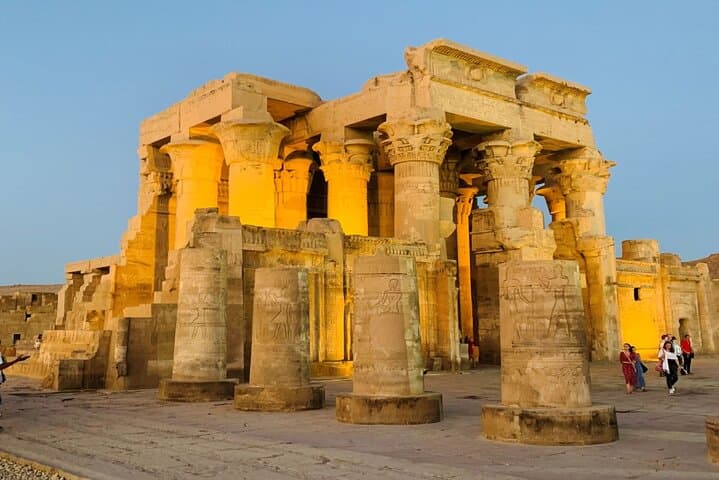
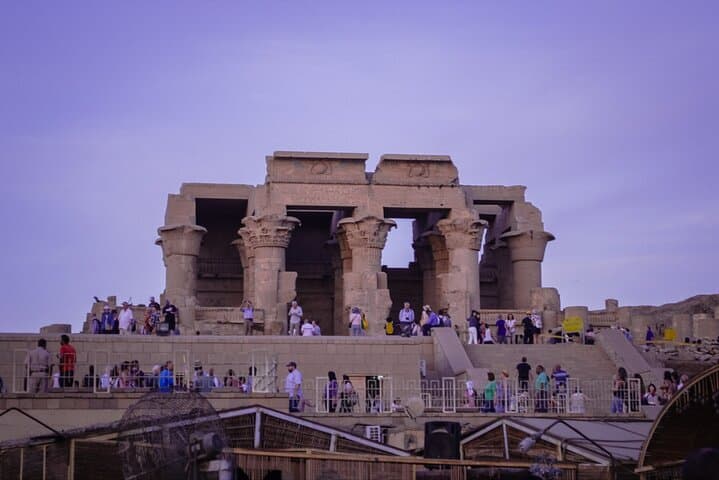
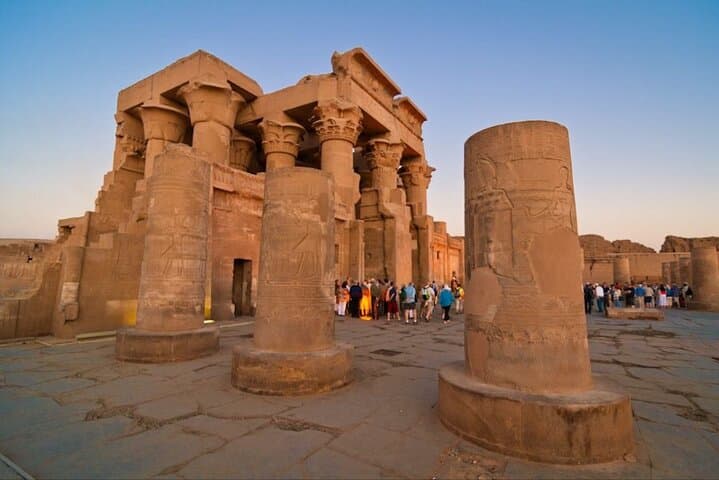
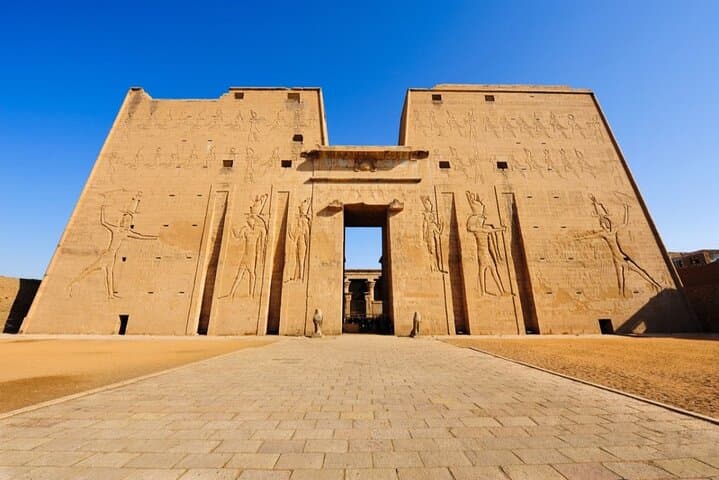
Sunlight strips across the Nile plain as the car eases out of Luxor, palms and mud-brick villages sliding past like frames in a slow film. By mid-morning the stepped pylons of Edfu rise from flat fields—an almost intact Ptolemaic temple where reliefs of Horus still hold court. Later the road bends south and Kom Ombo appears, a compact double temple with mirrored chapels and carved crocodile niches that give the site a rare, split personality.
Sunlight strips across the Nile plain as the car eases out of Luxor, palms and mud-brick villages sliding past like frames in a slow film. By mid-morning the stepped pylons of Edfu rise from flat fields—an almost intact Ptolemaic temple where reliefs of Horus still hold court. Later the road bends south and Kom Ombo appears, a compact double temple with mirrored chapels and carved crocodile niches that give the site a rare, split personality.
Edfu dates to the Ptolemaic period (3rd–1st century BCE) and survives because its stonework was spared later rebuilding; Kom Ombo’s double dedication—to Sobek and Haroeris—reflects local cult geography and Nile dynamics. Geologically the route follows the Nile floodplain: broad, flat, low-elevation terrain with fertile alluvium and few topographical challenges. Culturally, these sites illustrate Egyptian temple ritual, animal cults, and the Greek-era continuation of pharaonic practice.
For travelers this private day tour is practical: expect roughly 6–7 hours total, two guided stops of about 90 minutes each, and several hours of driving in an air-conditioned vehicle. Walking is limited but involves uneven stone floors, steps, and sun exposure. Bring a sun hat, water, and modest clothing; entrance fees are usually paid on-site and a knowledgeable Egyptologist guide will contextualize hieroglyphs, alignment, and carved scenes.
Timing matters—visit mid-morning or late afternoon to avoid the peak heat, and allow flexibility for traffic and local markets. Respect the sites: don’t touch painted reliefs, keep voice levels low inside inner chambers, and tip guides and local attendants fairly. This is a day of concrete history, broad river views, and close-up archaeology—quiet, immediate, and surprisingly tangible.