THE ADVENTURE COLLECTIVE® · Independent discovery and booking for outdoor travel

Four days of boat trips, lagoon swims, night walks and a Siona-Secoya community visit inside Cuyabeno Reserve. Expect long river transfers, guided hikes, cassava harvesting and close wildlife encounters.
Four days of boat trips, lagoon swims, night walks and a Siona-Secoya community visit inside Cuyabeno Reserve. Expect long river transfers, guided hikes, cassava harvesting and close wildlife encounters.
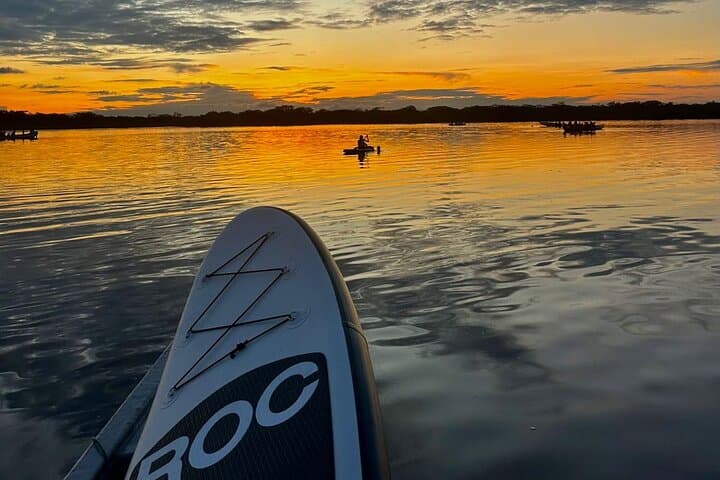
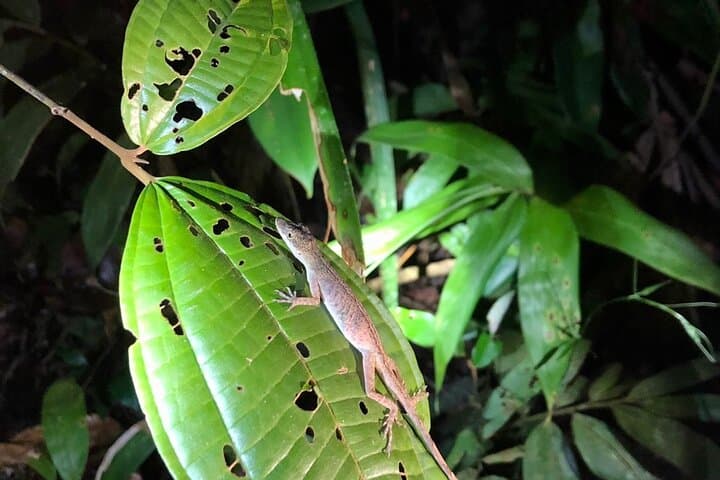
You step off the river skiff as dawn lifts the mist from the lagoon and the motor coughs away; in the distance a howler announces the day and the water gleams like wet iron. This four-day itinerary moves deep into the Cuyabeno Wildlife Reserve by boat and foot — long river runs, shaded forest trails, and night walks that turn the floodplain into an orchestra of insects and frogs.
Verified experiences and guided adventures in the surrounding area.
Operated by ecuador4mundos · Lago Agrio (Nueva Loja), Sucumbíos
You step off the river skiff as dawn lifts the mist from the lagoon and the motor coughs away; in the distance a howler announces the day and the water gleams like wet iron. This four-day itinerary moves deep into the Cuyabeno Wildlife Reserve by boat and foot — long river runs, shaded forest trails, and night walks that turn the floodplain into an orchestra of insects and frogs.
Cuyabeno sits in Ecuador’s lowland Amazon, a network of blackwater channels and oxbow lagoons carved through ancient alluvial soils. The reserve protects landscapes shaped by seasonal floods and the cultures that have lived here for generations — notably Siona and Secoya communities who still harvest cassava and make casabe bread. Geology is subtle here: flat terrain, peat and clay soils, and a web of waterways that rise several meters in the wet season.
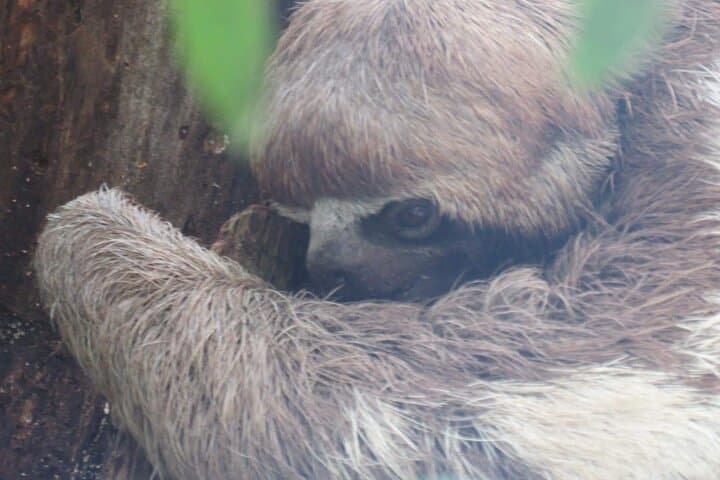
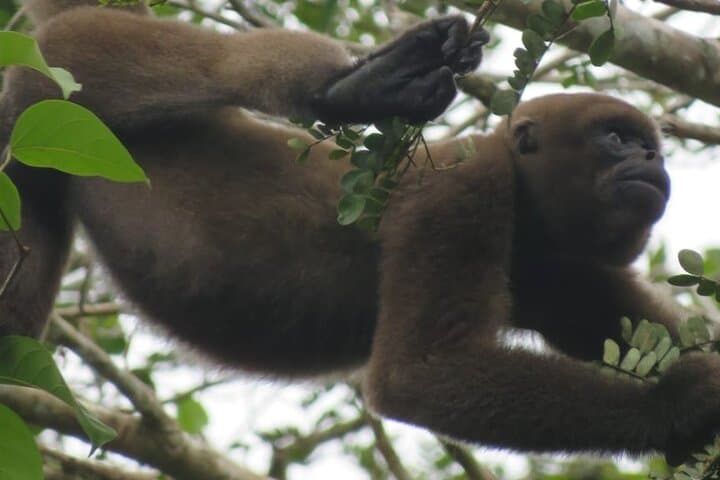
Practically, expect two-hour boat transfers between drop points and lodges, guided day hikes to look for monkeys and macaws, a community visit with cassava harvesting and casabe-making, a shamanic presentation and optional energy cleanse, lagoon swims, and evening alligator searches. Trails are lowland, often muddy; elevation is negligible but humidity is constant.
Pack quick-dry layers, rain protection, robust insect repellent and a dry bag for electronics. Travel from Quito is typically an overnight bus or private transfer to the river bridge followed by a two-hour boat to lodge. Guides are bilingual; accommodations are simple jungle lodges with meals included. Respect community protocols, follow the guide after dusk, and expect wildlife sightings to come in bursts — the jungle is active when it decides to be.
moderate.
4 days (approx. 96 hours).
Suitable for travelers with basic mobility—able to board small boats, walk 1–3 miles on wet, uneven trails and handle humid conditions.
Most travelers transfer overnight by private vehicle or bus to the river bridge area near Lago Agrio, then take a scheduled 1–2 hour boat ride to the lodge on day one.
Vaccination and malaria recommendations change—check CDC guidance and consult your doctor; many travelers carry antimalarial meds and ensure routine vaccinations are current.
The tour is listed as suitable for all fitness levels, but it involves boat travel, early starts, and muddy trails—assess mobility and comfort with remote conditions before booking.
Expect limited or no cell service and intermittent electricity; many lodges provide charging points but bring a power bank and printed documents.
The Cuyabeno Reserve was created to protect lowland Amazonian wetlands and supports indigenous communities such as the Siona and Secoya, who maintain traditional cassava-based foodways.
Sustainable tourism funds community projects and supports conservation against pressures like oil exploration; visitors should follow leave-no-trace rules and respect community guidelines.
ecuador4mundos operates guided outdoor trips and adventures with an emphasis on safety, stewardship, and memorable experiences.
You step off the river skiff as dawn lifts the mist from the lagoon and the motor coughs away; in the distance a howler announces the day and the water gleams like wet iron. This four-day itinerary moves deep into the Cuyabeno Wildlife Reserve by boat and foot — long river runs, shaded forest trails, and night walks that turn the floodplain into an orchestra of insects and frogs.
You step off the river skiff as dawn lifts the mist from the lagoon and the motor coughs away; in the distance a howler announces the day and the water gleams like wet iron. This four-day itinerary moves deep into the Cuyabeno Wildlife Reserve by boat and foot — long river runs, shaded forest trails, and night walks that turn the floodplain into an orchestra of insects and frogs.
Cuyabeno sits in Ecuador’s lowland Amazon, a network of blackwater channels and oxbow lagoons carved through ancient alluvial soils. The reserve protects landscapes shaped by seasonal floods and the cultures that have lived here for generations — notably Siona and Secoya communities who still harvest cassava and make casabe bread. Geology is subtle here: flat terrain, peat and clay soils, and a web of waterways that rise several meters in the wet season.
Practically, expect two-hour boat transfers between drop points and lodges, guided day hikes to look for monkeys and macaws, a community visit with cassava harvesting and casabe-making, a shamanic presentation and optional energy cleanse, lagoon swims, and evening alligator searches. Trails are lowland, often muddy; elevation is negligible but humidity is constant.
Pack quick-dry layers, rain protection, robust insect repellent and a dry bag for electronics. Travel from Quito is typically an overnight bus or private transfer to the river bridge followed by a two-hour boat to lodge. Guides are bilingual; accommodations are simple jungle lodges with meals included. Respect community protocols, follow the guide after dusk, and expect wildlife sightings to come in bursts — the jungle is active when it decides to be.