THE ADVENTURE COLLECTIVE® · Independent discovery and booking for outdoor travel

Nine days tracing the Avenue of the Volcanoes: acclimatizing hikes, refuge nights and technical glacier ascents on Cayambe and Chimborazo. This itinerary balances altitude preparation with guided summit pushes for climbers ready for sustained alpine effort.
Nine days tracing the Avenue of the Volcanoes: acclimatizing hikes, refuge nights and technical glacier ascents on Cayambe and Chimborazo. This itinerary balances altitude preparation with guided summit pushes for climbers ready for sustained alpine effort.
Morning light over Quito cuts across the high ridges and reveals the raw profiles of Rucu Pichincha, Cayambe and Chimborazo. You begin in the city’s cool air, ride a high cable car to the trailhead, and within hours trade traffic noise for wind and loose volcanic scree. By the third day you’re moving higher, feeling glaciers push and pull at your pace, and by the Chimborazo summit the horizon stoops low beneath you.
Verified experiences and guided adventures in the surrounding area.
Operated by Peru Expeditions Tours · Quito, Pichincha
Morning light over Quito cuts across the high ridges and reveals the raw profiles of Rucu Pichincha, Cayambe and Chimborazo. You begin in the city’s cool air, ride a high cable car to the trailhead, and within hours trade traffic noise for wind and loose volcanic scree. By the third day you’re moving higher, feeling glaciers push and pull at your pace, and by the Chimborazo summit the horizon stoops low beneath you.
These peaks sit on the Avenue of the Volcanoes, a spine of volcanic and glacial geology that shaped Andean culture for millennia. Cayambe marks one of the few places the equator crosses glaciated terrain; Chimborazo, an eroded stratovolcano, is Ecuador’s highest point and famously the farthest point from Earth’s center. The route network includes cable car approaches, refuge stays and classic glacier travel that Ecuadorian guides have refined over decades.
Practically, expect long days, high altitude and technical glacier sections. The itinerary builds acclimatization with day hikes, thermal spring recovery in Papallacta and a staged summit push from high camp. Guides provide technical kit—crampons, ice axes, harnesses—and manage rope teams across bergschrunds. Hydration, steady pacing and pre-trip aerobic prep matter more than raw speed.
Plan for weather swings—clear mornings can become wind-scoured afternoons—carry layered insulation and practice crampon and ice-axe techniques before arrival. With experienced guides and conservative group pacing this nine-day loop delivers serious high-altitude mountaineering in some of the most dramatic volcanic landscapes in the Andes.
expert.
9 days.
Participants should have excellent aerobic fitness, previous high-altitude trekking or climbing experience, and comfort with long days at 4,500–6,268 m.
Yes—previous glacier travel and crampon/ice-axe skills are strongly recommended; guides assume basic competency for safety.
You’ll reach 6,268 m on Chimborazo; the itinerary includes acclimatization but altitude illness is possible—follow guide advice and report symptoms early.
Guides, technical equipment (crampons, harness, ice axe, helmet), refuge nights, most meals during hikes and ground transfers are included per itinerary details.
June–August typically offers the driest, clearest summit weather, though conditions can vary quickly at high elevations.
The Avenue of the Volcanoes has guided Andean settlement and transport for centuries; many summits are woven into indigenous cosmology and colonial mapping.
Glacial retreat on Andean peaks is a pressing concern—travelers should follow Leave No Trace, avoid disturbing fragile páramo, and respect refuge waste protocols.
Peru Expeditions Tours operates guided outdoor trips and adventures with an emphasis on safety, stewardship, and memorable experiences.
Morning light over Quito cuts across the high ridges and reveals the raw profiles of Rucu Pichincha, Cayambe and Chimborazo. You begin in the city’s cool air, ride a high cable car to the trailhead, and within hours trade traffic noise for wind and loose volcanic scree. By the third day you’re moving higher, feeling glaciers push and pull at your pace, and by the Chimborazo summit the horizon stoops low beneath you.
Morning light over Quito cuts across the high ridges and reveals the raw profiles of Rucu Pichincha, Cayambe and Chimborazo. You begin in the city’s cool air, ride a high cable car to the trailhead, and within hours trade traffic noise for wind and loose volcanic scree. By the third day you’re moving higher, feeling glaciers push and pull at your pace, and by the Chimborazo summit the horizon stoops low beneath you.
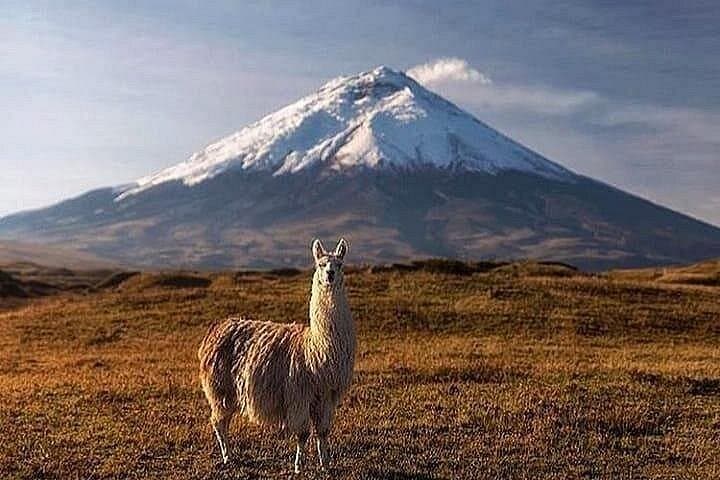
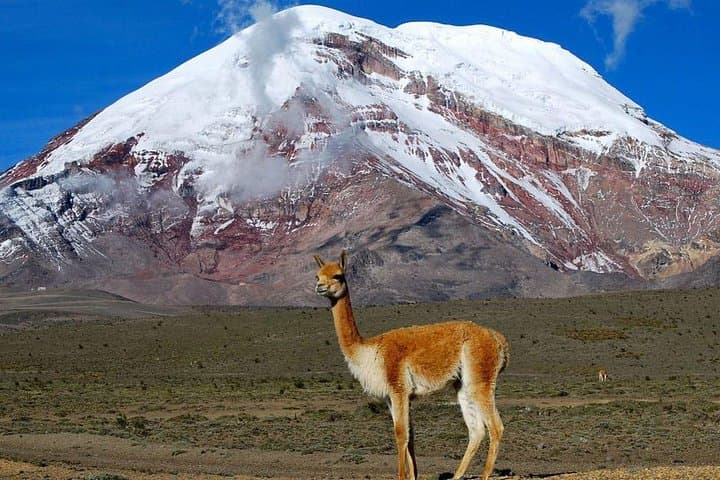
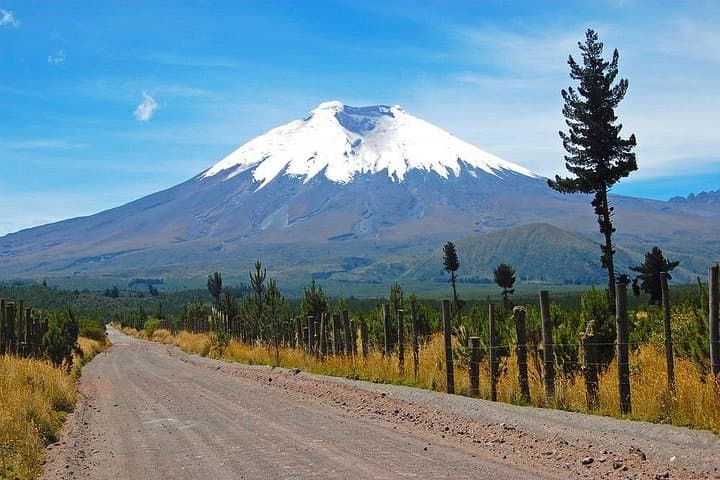
These peaks sit on the Avenue of the Volcanoes, a spine of volcanic and glacial geology that shaped Andean culture for millennia. Cayambe marks one of the few places the equator crosses glaciated terrain; Chimborazo, an eroded stratovolcano, is Ecuador’s highest point and famously the farthest point from Earth’s center. The route network includes cable car approaches, refuge stays and classic glacier travel that Ecuadorian guides have refined over decades.
Practically, expect long days, high altitude and technical glacier sections. The itinerary builds acclimatization with day hikes, thermal spring recovery in Papallacta and a staged summit push from high camp. Guides provide technical kit—crampons, ice axes, harnesses—and manage rope teams across bergschrunds. Hydration, steady pacing and pre-trip aerobic prep matter more than raw speed.
Plan for weather swings—clear mornings can become wind-scoured afternoons—carry layered insulation and practice crampon and ice-axe techniques before arrival. With experienced guides and conservative group pacing this nine-day loop delivers serious high-altitude mountaineering in some of the most dramatic volcanic landscapes in the Andes.