THE ADVENTURE COLLECTIVE® · Independent discovery and booking for outdoor travel

From Cotopaxi’s wind-scoured slopes to motor-canoe rides on the Napo, this eight-day circuit stitches Ecuador’s highlands and Amazon into a single, active itinerary. Expect volcano craters, highland treks and jungle rivers with local guides handling logistics.
From Cotopaxi’s wind-scoured slopes to motor-canoe rides on the Napo, this eight-day circuit stitches Ecuador’s highlands and Amazon into a single, active itinerary. Expect volcano craters, highland treks and jungle rivers with local guides handling logistics.
You step off the van at Limpiopungo, wind carving through high páramo grass as Cotopaxi looms like an uncompromising watchman. The air is thin and crisp; alpacas graze on slopes while the avenue of volcanoes slices the horizon. Over the next week you'll move from volcanic calderas and crater lakes to thunderous jungle rivers — each landscape pushing you into a different rhythm.
Verified experiences and guided adventures in the surrounding area.
Operated by Guide Ecuador Travel · Quito, Pichincha
You step off the van at Limpiopungo, wind carving through high páramo grass as Cotopaxi looms like an uncompromising watchman. The air is thin and crisp; alpacas graze on slopes while the avenue of volcanoes slices the horizon. Over the next week you'll move from volcanic calderas and crater lakes to thunderous jungle rivers — each landscape pushing you into a different rhythm.
This route threads through Ecuador’s geological story: the Andean uplift, explosive volcanic calderas like Quilotoa (≈12,000 ft), and river systems that have carved deep canyons through volcanic rock. The highland towns along the Quilotoa Loop preserve Quechua and Kichwa cultures; village markets and traditional weaving echo generations of mountain agriculture. Down in the Amazon basin, colonial trade routes gave way to riverine communities whose lives still center on the Napo and Arajuno.
Expect varied terrain: high-altitude singletrack and gravel descents on Cotopaxi; a 12-mile, 4–6 hour trek across 10,000–12,000 ft elevations between Insilivi and Chugchilan; steep crater rim trails at Quilotoa; and Class II–III river sections on the Pastaza for a ~14-mile, 2-hour rafting stretch. Jungle canoe rides require no technical skill but reward patience with wildlife sightings.
Practical guidance: prioritize altitude acclimatization, carry layers and a hydration system, and use broken-in boots for steep ascents and mud. Bring cash for small village purchases and optional activities (mules, kayak rentals, zipline). Travel insurance that covers high-altitude activities is recommended. Guides handle logistics and transport; be ready for early starts and big days — the landscapes will keep pace with you.
challenging.
8 days.
Suitable for travelers with good aerobic fitness accustomed to long days and high altitude; prior multi-day hiking or biking experience recommended.
Yes — several days include elevations above 12,000 ft. Take it easy on arrival, stay hydrated, and notify guides of symptoms; they can adjust plans.
No formal certification is required, but basic biking skills and comfort on moving water improve safety and enjoyment.
Routine vaccines are recommended; consult a travel clinic for travel-specific advice (yellow fever for Amazon regions, and malaria precautions depending on exact jungle stops).
Yes — optional extras (mule hires at Quilotoa, kayak rentals, ziplines) are available locally and usually paid in cash or card depending on the site.
Highland communities around the Quilotoa Loop maintain Quechua traditions of farming and weaving; many settlements evolved along pre-Columbian Andean trade routes.
High Andean páramo and Amazonian floodplains are fragile; stick to marked paths, avoid single-use plastics, and support local guides and community-run initiatives.
Guide Ecuador Travel operates guided outdoor trips and adventures with an emphasis on safety, stewardship, and memorable experiences.
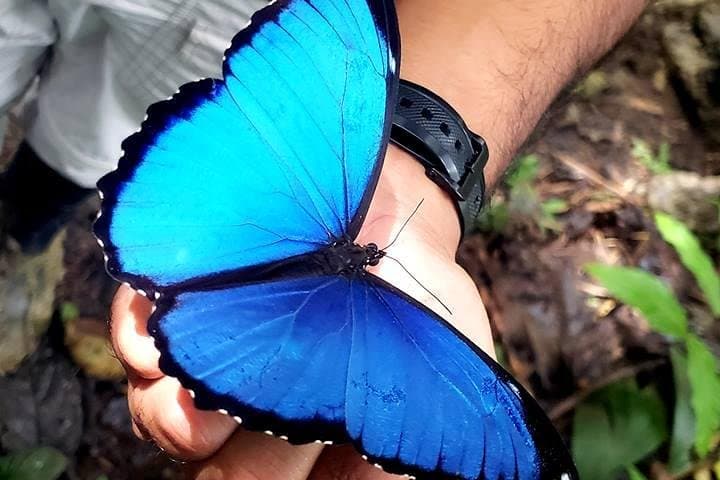
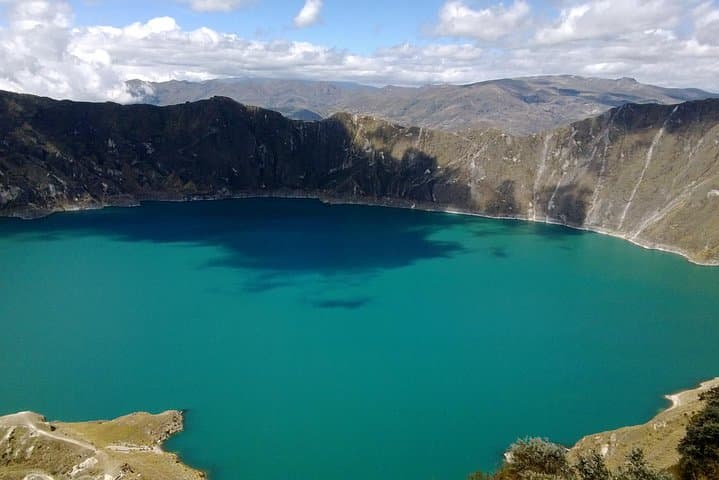
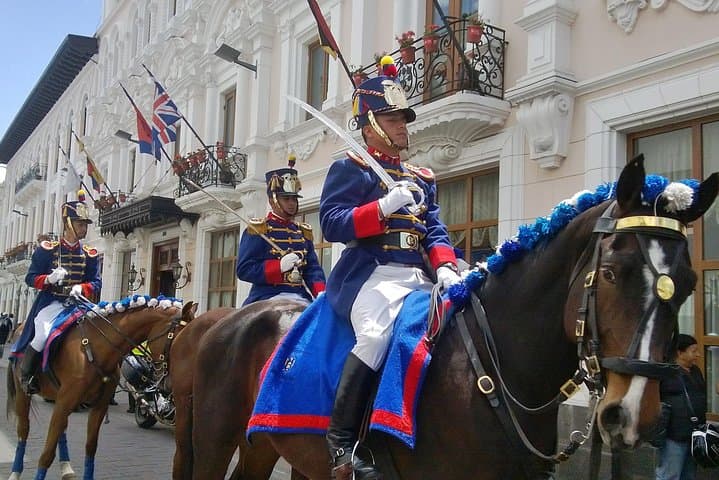
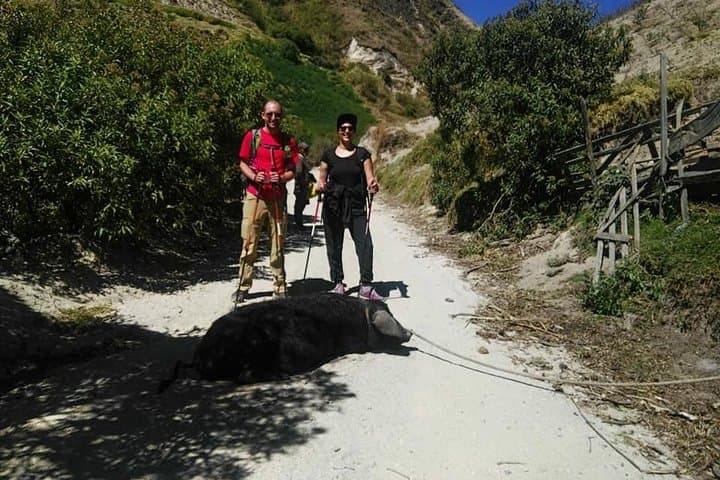
You step off the van at Limpiopungo, wind carving through high páramo grass as Cotopaxi looms like an uncompromising watchman. The air is thin and crisp; alpacas graze on slopes while the avenue of volcanoes slices the horizon. Over the next week you'll move from volcanic calderas and crater lakes to thunderous jungle rivers — each landscape pushing you into a different rhythm.
You step off the van at Limpiopungo, wind carving through high páramo grass as Cotopaxi looms like an uncompromising watchman. The air is thin and crisp; alpacas graze on slopes while the avenue of volcanoes slices the horizon. Over the next week you'll move from volcanic calderas and crater lakes to thunderous jungle rivers — each landscape pushing you into a different rhythm.
This route threads through Ecuador’s geological story: the Andean uplift, explosive volcanic calderas like Quilotoa (≈12,000 ft), and river systems that have carved deep canyons through volcanic rock. The highland towns along the Quilotoa Loop preserve Quechua and Kichwa cultures; village markets and traditional weaving echo generations of mountain agriculture. Down in the Amazon basin, colonial trade routes gave way to riverine communities whose lives still center on the Napo and Arajuno.
Expect varied terrain: high-altitude singletrack and gravel descents on Cotopaxi; a 12-mile, 4–6 hour trek across 10,000–12,000 ft elevations between Insilivi and Chugchilan; steep crater rim trails at Quilotoa; and Class II–III river sections on the Pastaza for a ~14-mile, 2-hour rafting stretch. Jungle canoe rides require no technical skill but reward patience with wildlife sightings.
Practical guidance: prioritize altitude acclimatization, carry layers and a hydration system, and use broken-in boots for steep ascents and mud. Bring cash for small village purchases and optional activities (mules, kayak rentals, zipline). Travel insurance that covers high-altitude activities is recommended. Guides handle logistics and transport; be ready for early starts and big days — the landscapes will keep pace with you.