THE ADVENTURE COLLECTIVE® · Independent discovery and booking for outdoor travel

Traverse Ecuador’s compact but diverse mainland in ten days — from Quito’s colonial heart to Mindo’s hummingbird gardens, Cotopaxi’s volcanic slopes and the Pacific lowlands. This route mixes natural variety with cultural encounters, ideal for travelers who want a concise, experience-packed trip.
Traverse Ecuador’s compact but diverse mainland in ten days — from Quito’s colonial heart to Mindo’s hummingbird gardens, Cotopaxi’s volcanic slopes and the Pacific lowlands. This route mixes natural variety with cultural encounters, ideal for travelers who want a concise, experience-packed trip.
Dawn in Quito brings thin, cold light across church spires while a driver waits with coffee and a plan: ten days to move between Pacific beaches, high Andean peaks and humid cloud forest. You’ll start in colonial streets, cross the monument at the equator, listen for tanagers in Mindo and stand beneath Cotopaxi’s broad cone as wind pushes you forward.
Verified experiences and guided adventures in the surrounding area.
Operated by Tours Around Quito and Ecuador · Quito, Pichincha
Dawn in Quito brings thin, cold light across church spires while a driver waits with coffee and a plan: ten days to move between Pacific beaches, high Andean peaks and humid cloud forest. You’ll start in colonial streets, cross the monument at the equator, listen for tanagers in Mindo and stand beneath Cotopaxi’s broad cone as wind pushes you forward.
Ecuador’s geology is immediate — the Andean chain folding north–south, volcanic cones rising from paramo, and river systems that drain east into the Amazon or west to the Pacific. Cultural threads are equally obvious: Quechua-speaking communities in the highlands, artisanal leatherwork in Cotacachi and seafood traditions on the coast. The French Geodesic Mission of 1736 that placed the “middle of the world” here is a reminder of global curiosity meeting local life.
Expect varied terrain: paved city streets, highland trails with moderate elevation gain, cloud-forest boardwalks and short coastal walks. Wildlife shifts with elevation — hummingbirds and tanagers in Mindo, waterbirds along Guayas, and possible Andean raptors near volcanoes.
Practical guidance: allow two days to acclimatize around Quito before higher-altitude outings, carry layers for rapid temperature swings, and keep cash for small markets and remote sites. Travel times between cities can be long — some drives of four to seven hours — so plan for rests and hydration. Book accommodations in Quito or Cuenca for reliable services and use a local guide for cultural introductions and park access.
moderate.
10 days.
Good general fitness for walking short hikes, standing at viewpoints and enduring several multi-hour drives.
Yes — some parts of the itinerary exceed 3,000 m. Take time to acclimatize in Quito, hydrate, avoid heavy exertion the first day and consult a doctor about medication if you have concerns.
This itinerary typically includes private transport and a driver-guide; meals and specific park entry fees are usually paid locally—confirm with your operator before travel.
Many sites are family-friendly and the tour notes stroller access and infant seats; longer drives and altitude may be challenging for very young children.
Dry season in the highlands (June–September) offers clearer mountain views; the coastal and cloud-forest climates are more variable, so pack for rain year-round.
Ecuador’s modern borders and many towns formed around pre-Columbian Andean communities; the 1736 French Geodesic Mission that measured the equator left an enduring site north of Quito.
Ecuador’s biodiversity is concentrated in fragile ecosystems; favor local guides, avoid single-use plastics and stay on marked trails to reduce impact.
Tours Around Quito and Ecuador operates guided outdoor trips and adventures with an emphasis on safety, stewardship, and memorable experiences.
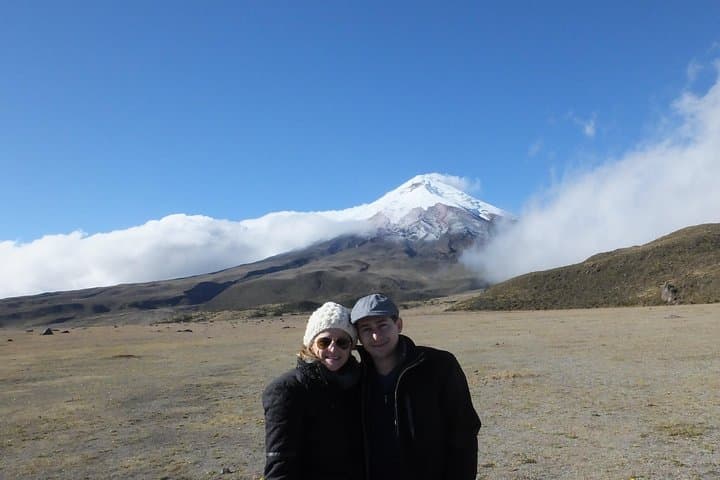
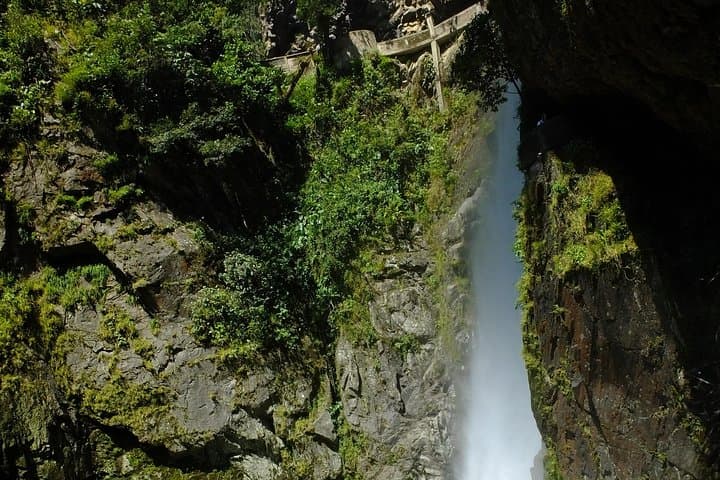
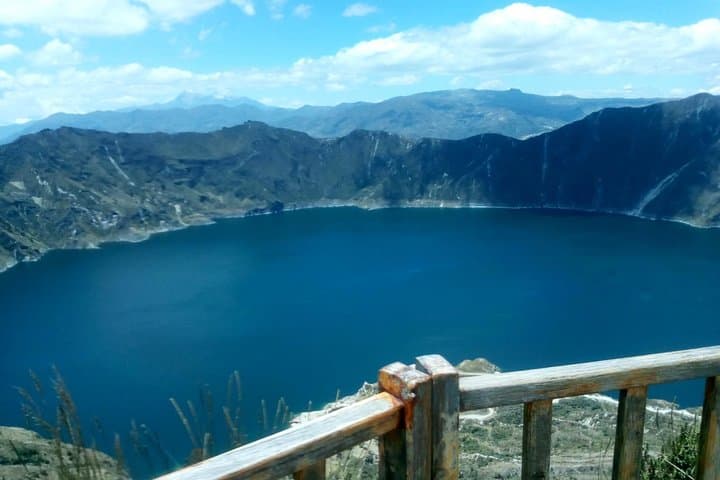
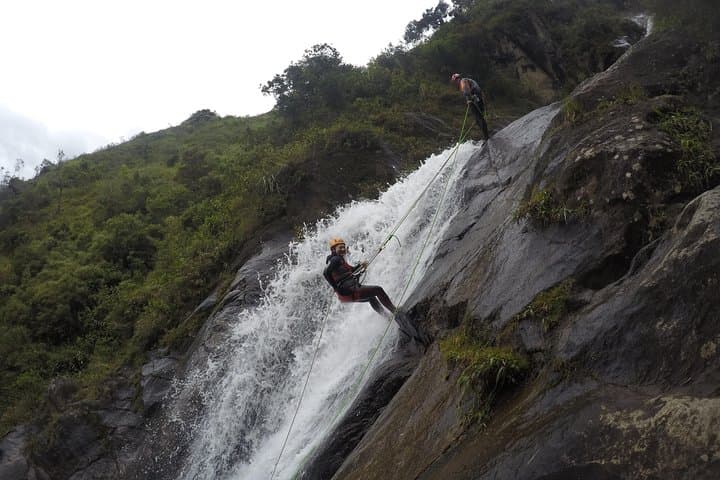
Dawn in Quito brings thin, cold light across church spires while a driver waits with coffee and a plan: ten days to move between Pacific beaches, high Andean peaks and humid cloud forest. You’ll start in colonial streets, cross the monument at the equator, listen for tanagers in Mindo and stand beneath Cotopaxi’s broad cone as wind pushes you forward.
Dawn in Quito brings thin, cold light across church spires while a driver waits with coffee and a plan: ten days to move between Pacific beaches, high Andean peaks and humid cloud forest. You’ll start in colonial streets, cross the monument at the equator, listen for tanagers in Mindo and stand beneath Cotopaxi’s broad cone as wind pushes you forward.
Ecuador’s geology is immediate — the Andean chain folding north–south, volcanic cones rising from paramo, and river systems that drain east into the Amazon or west to the Pacific. Cultural threads are equally obvious: Quechua-speaking communities in the highlands, artisanal leatherwork in Cotacachi and seafood traditions on the coast. The French Geodesic Mission of 1736 that placed the “middle of the world” here is a reminder of global curiosity meeting local life.
Expect varied terrain: paved city streets, highland trails with moderate elevation gain, cloud-forest boardwalks and short coastal walks. Wildlife shifts with elevation — hummingbirds and tanagers in Mindo, waterbirds along Guayas, and possible Andean raptors near volcanoes.
Practical guidance: allow two days to acclimatize around Quito before higher-altitude outings, carry layers for rapid temperature swings, and keep cash for small markets and remote sites. Travel times between cities can be long — some drives of four to seven hours — so plan for rests and hydration. Book accommodations in Quito or Cuenca for reliable services and use a local guide for cultural introductions and park access.