THE ADVENTURE COLLECTIVE® · Independent discovery and booking for outdoor travel

A compact 12‑day loop from Quito’s colonial streets to the Galápagos’ volcanic shores: volcano viewpoints, indigenous markets, caldera hikes and a five‑night wildlife cruise with multiple snorkel stops. Learn what to expect, where to acclimate, and how to pack light for two very different ecologies.
A compact 12‑day loop from Quito’s colonial streets to the Galápagos’ volcanic shores: volcano viewpoints, indigenous markets, caldera hikes and a five‑night wildlife cruise with multiple snorkel stops. Learn what to expect, where to acclimate, and how to pack light for two very different ecologies.
You step out into Quito’s high thin air just as the city lights spill across the Andean bowl — breathing heavy, senses sharpened, the trip unfolding ahead: colonial plazas, crater lakes, a yacht pulling away from Baltra toward islands that evolved in isolation.
Verified experiences and guided adventures in the surrounding area.
Operated by CharlieTheTraveler · Quito, Pichincha
You step out into Quito’s high thin air just as the city lights spill across the Andean bowl — breathing heavy, senses sharpened, the trip unfolding ahead: colonial plazas, crater lakes, a yacht pulling away from Baltra toward islands that evolved in isolation.
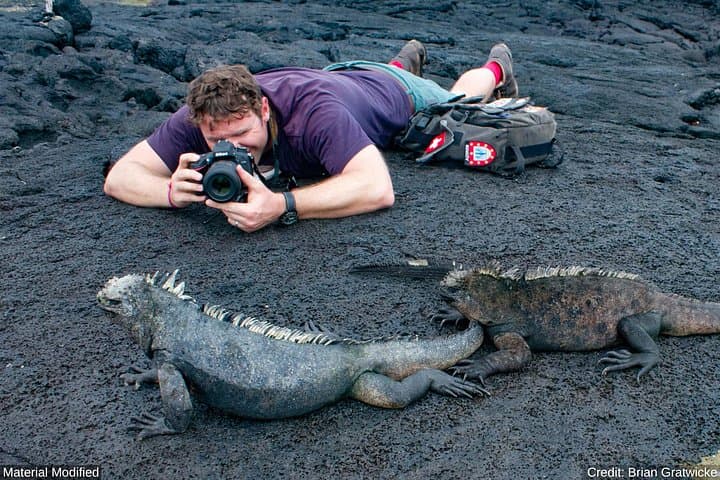
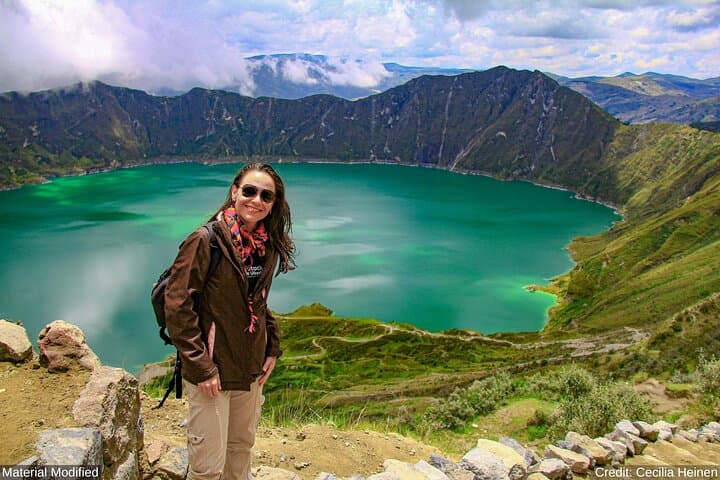
The itinerary threads Quito’s UNESCO old town and Otavalo’s textiles with Cotopaxi’s snowline and Quilotoa’s blue-green caldera, then shifts to the Galápagos: volcanic rock, tidal pools and shallow reefs where sea turtles, reef sharks and blue‑footed boobies make daily appearances. Geologically the archipelago is a hotspot chain — young lava flows, salt-encrusted coves and uplifted tuff cones define each landing. Culturally the highlands keep strong indigenous practices; markets offer traded goods and a lens into Andean life before the cruise redirects you to Darwin’s living classroom.
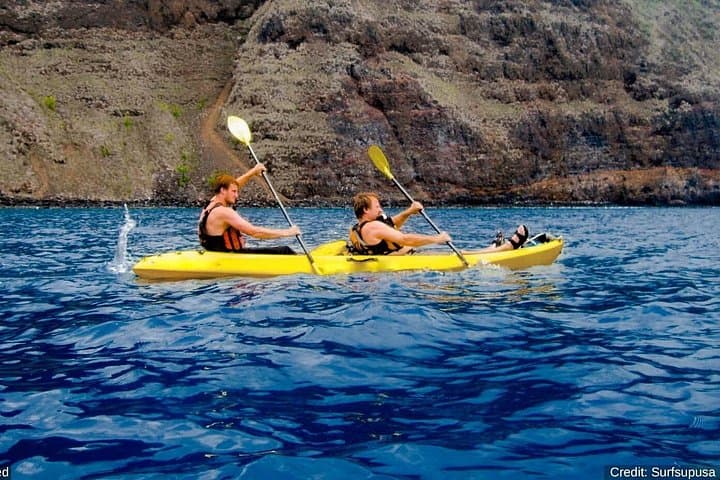
Expect active days: short hikes to viewpoints, a descent into crater rims, kayak and donkey options at Quilotoa, and multiple snorkel stops from Las Bachas to Bartolomé. Guides emphasize minimal-impact behavior — keep distance, don’t feed wildlife, and carry out plastics.
Practical notes: acclimate 24–48 hours in Quito, carry cash for Galápagos park and migration fees, and plan for boat motion and variable sun and wind. Sturdy, quick‑dry shoes, reef‑safe sunscreen, a reliable snorkel mask and layered clothing will keep you comfortable from Andean mornings to equatorial afternoons. Time your camera and your patience — here the landscape and wildlife reward close, respectful attention.
moderate.
12 days.
Moderate fitness: comfortable walking, short hikes of up to a few hours and repeated snorkeling or kayaking sessions required.
Yes — a valid passport is required and you must pay a Galápagos National Park entry fee (commonly $100 USD) on arrival; also expect a small migration fee at the mainland airport before departure.
Moderate: the tour mixes short hikes and viewpoint walks with snorkel swims and boat transfers; a reasonable baseline of cardiovascular fitness and mobility is recommended.
Pack quick‑dry clothing, a brimmed hat, reef‑safe sunscreen, a well‑fitting snorkel mask, and binoculars for bird colonies; a small daypack and water bottle are useful ashore.
Yes — do not touch or feed wildlife, stay with your guide on visitor sites, avoid stepping on fragile lava and reef, and carry out all trash to protect these fragile ecosystems.
Quito’s historic center dates to Spanish colonial times and sits on Inca and pre-Inca routes; the Galápagos became a scientific touchstone after Darwin’s 19th‑century observations.
Strict visitor rules and park fees fund conservation; travel groups are limited to guided landings to minimize disturbance and invasive species protocols are enforced at airports.
CharlieTheTraveler operates guided outdoor trips and adventures with an emphasis on safety, stewardship, and memorable experiences.

You step out into Quito’s high thin air just as the city lights spill across the Andean bowl — breathing heavy, senses sharpened, the trip unfolding ahead: colonial plazas, crater lakes, a yacht pulling away from Baltra toward islands that evolved in isolation.
You step out into Quito’s high thin air just as the city lights spill across the Andean bowl — breathing heavy, senses sharpened, the trip unfolding ahead: colonial plazas, crater lakes, a yacht pulling away from Baltra toward islands that evolved in isolation.
The itinerary threads Quito’s UNESCO old town and Otavalo’s textiles with Cotopaxi’s snowline and Quilotoa’s blue-green caldera, then shifts to the Galápagos: volcanic rock, tidal pools and shallow reefs where sea turtles, reef sharks and blue‑footed boobies make daily appearances. Geologically the archipelago is a hotspot chain — young lava flows, salt-encrusted coves and uplifted tuff cones define each landing. Culturally the highlands keep strong indigenous practices; markets offer traded goods and a lens into Andean life before the cruise redirects you to Darwin’s living classroom.
Expect active days: short hikes to viewpoints, a descent into crater rims, kayak and donkey options at Quilotoa, and multiple snorkel stops from Las Bachas to Bartolomé. Guides emphasize minimal-impact behavior — keep distance, don’t feed wildlife, and carry out plastics.
Practical notes: acclimate 24–48 hours in Quito, carry cash for Galápagos park and migration fees, and plan for boat motion and variable sun and wind. Sturdy, quick‑dry shoes, reef‑safe sunscreen, a reliable snorkel mask and layered clothing will keep you comfortable from Andean mornings to equatorial afternoons. Time your camera and your patience — here the landscape and wildlife reward close, respectful attention.