THE ADVENTURE COLLECTIVE® · Independent discovery and booking for outdoor travel

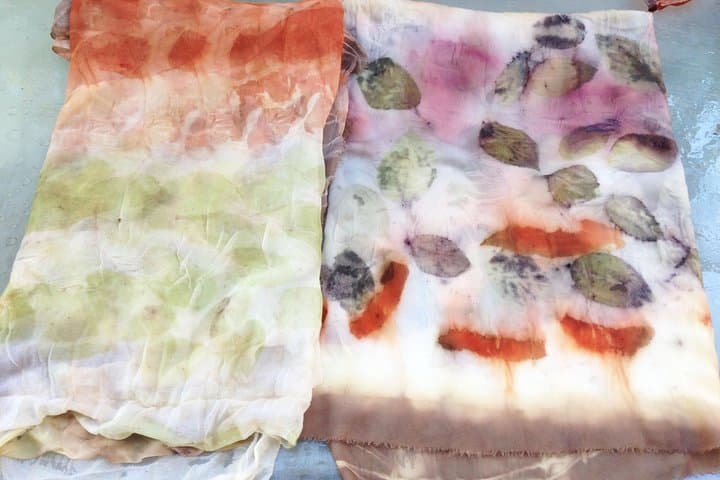
Take a short ferry to Lamma Island and learn eco-printing from local designer Stella Cheng. In three hours you’ll craft two naturally dyed silk scarves using leaf contact and transfer techniques.
Take a short ferry to Lamma Island and learn eco-printing from local designer Stella Cheng. In three hours you’ll craft two naturally dyed silk scarves using leaf contact and transfer techniques.
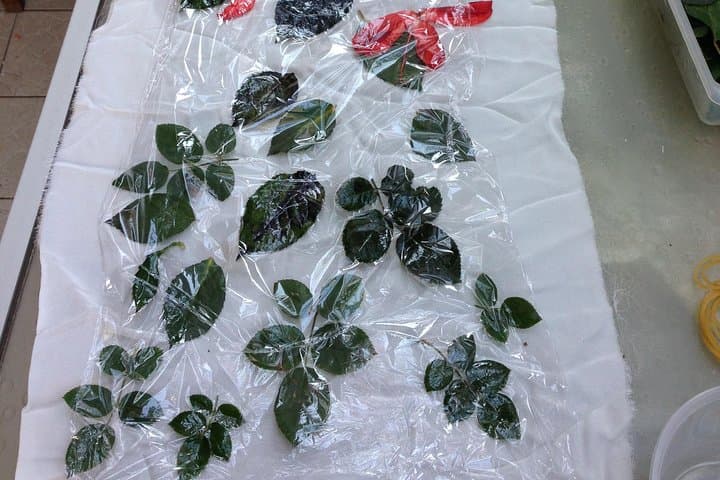
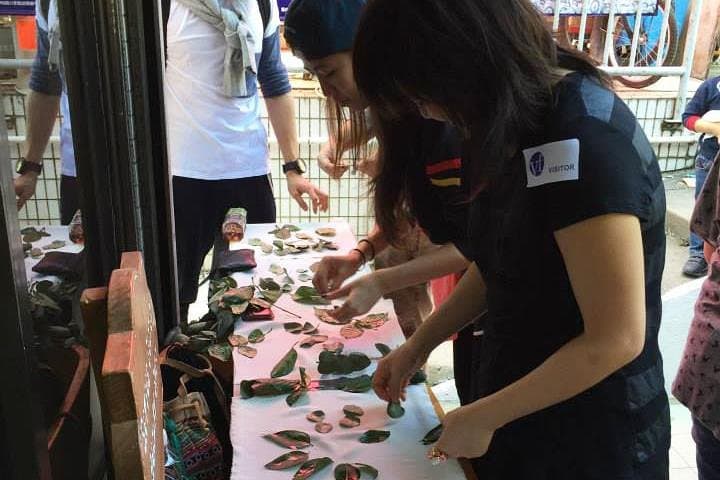
A short ferry ride cuts you loose from Central and the village of Yung Shue Wan unfolds — low roofs, a scattering of boats, and an artist’s studio smelling faintly of wet silk and vinegar. Sit at a communal table under papered light and watch Stella Cheng demonstrate how leaves and petals become stencils; the garden’s foliage dares your fingers to press and coax color from nature.
Verified experiences and guided adventures in the surrounding area.
Operated by s+clicks design studio · Yung Shue Wan, Hong Kong
A short ferry ride cuts you loose from Central and the village of Yung Shue Wan unfolds — low roofs, a scattering of boats, and an artist’s studio smelling faintly of wet silk and vinegar. Sit at a communal table under papered light and watch Stella Cheng demonstrate how leaves and petals become stencils; the garden’s foliage dares your fingers to press and coax color from nature.
Lamma Island’s past is quietly maritime: small fishing communities and salt pans shaped a slower rhythm than the city across the water. That slow rhythm suits eco-dyeing, a process rooted in centuries of botanical knowledge and regional pigment traditions that Stella reframes with contemporary patterns. The island’s granite outcrops and volcanic soils don’t directly color the cloth, but the plant species that thrive here — mulberry, camellia, eucalyptus — supply tannins and mordants that make natural prints hold.
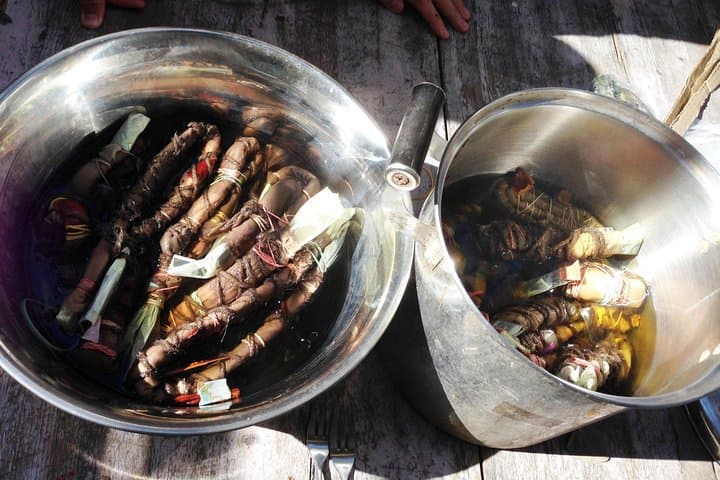
The class runs about three hours (1.5 hours printing, 1.5 hours setting/wait time) and produces two silk scarves using contact printing and transfer techniques. It’s hands-on but accessible; materials and scarves are supplied, and the method emphasizes low-impact, plant-based dyes.
Practical notes: factor in a 25-minute ferry from Central Pier No.4 to Yung Shue Wan, and plan for a relaxed wait (bring a book or stroll the waterfront). Wear layers you don’t mind spotting, bring sunscreen for the short outdoor stretches, and reserve in advance for private sessions. Expect a tactile, slow-moving craft experience that pairs creative results with clear eco-minded practice.
easy.
3 hours.
Suitable for all fitness levels — mainly seated handwork with light standing and short walks.
The session totals about 3 hours: roughly 1.5 hours of hands-on printing and 1.5 hours while dyes set; scarves and materials are provided.
The experience is family-friendly, but infants must sit on a lap; young children may need supervision during hands-on steps.
Yes — the listing notes wheelchair-accessible transportation and stroller access; contact the operator for specific accessibility needs.
Yes — the workshop uses a direct contact and transfer method designed to produce two wearable silk scarves that are included and taken home after setting.
Lamma Island grew as a network of fishing villages and small farms; the island retained a slower coastal culture that favors artisanal crafts and food stalls.
The workshop emphasizes plant-based dyes and low-impact methods; visitors are encouraged to avoid chemical pigments and to dispose of rinse water responsibly.
s+clicks design studio operates guided outdoor trips and adventures with an emphasis on safety, stewardship, and memorable experiences.
A short ferry ride cuts you loose from Central and the village of Yung Shue Wan unfolds — low roofs, a scattering of boats, and an artist’s studio smelling faintly of wet silk and vinegar. Sit at a communal table under papered light and watch Stella Cheng demonstrate how leaves and petals become stencils; the garden’s foliage dares your fingers to press and coax color from nature.
A short ferry ride cuts you loose from Central and the village of Yung Shue Wan unfolds — low roofs, a scattering of boats, and an artist’s studio smelling faintly of wet silk and vinegar. Sit at a communal table under papered light and watch Stella Cheng demonstrate how leaves and petals become stencils; the garden’s foliage dares your fingers to press and coax color from nature.
Lamma Island’s past is quietly maritime: small fishing communities and salt pans shaped a slower rhythm than the city across the water. That slow rhythm suits eco-dyeing, a process rooted in centuries of botanical knowledge and regional pigment traditions that Stella reframes with contemporary patterns. The island’s granite outcrops and volcanic soils don’t directly color the cloth, but the plant species that thrive here — mulberry, camellia, eucalyptus — supply tannins and mordants that make natural prints hold.
The class runs about three hours (1.5 hours printing, 1.5 hours setting/wait time) and produces two silk scarves using contact printing and transfer techniques. It’s hands-on but accessible; materials and scarves are supplied, and the method emphasizes low-impact, plant-based dyes.
Practical notes: factor in a 25-minute ferry from Central Pier No.4 to Yung Shue Wan, and plan for a relaxed wait (bring a book or stroll the waterfront). Wear layers you don’t mind spotting, bring sunscreen for the short outdoor stretches, and reserve in advance for private sessions. Expect a tactile, slow-moving craft experience that pairs creative results with clear eco-minded practice.