THE ADVENTURE COLLECTIVE® · Independent discovery and booking for outdoor travel

Walk Belfast’s civic core with a guide who threads the city’s shipbuilding past to its festival‑driven present. This 2.5‑hour city center tour covers City Hall, the Titanic Quarter, Cathedral Quarter murals and riverside views.
Walk Belfast’s civic core with a guide who threads the city’s shipbuilding past to its festival‑driven present. This 2.5‑hour city center tour covers City Hall, the Titanic Quarter, Cathedral Quarter murals and riverside views.
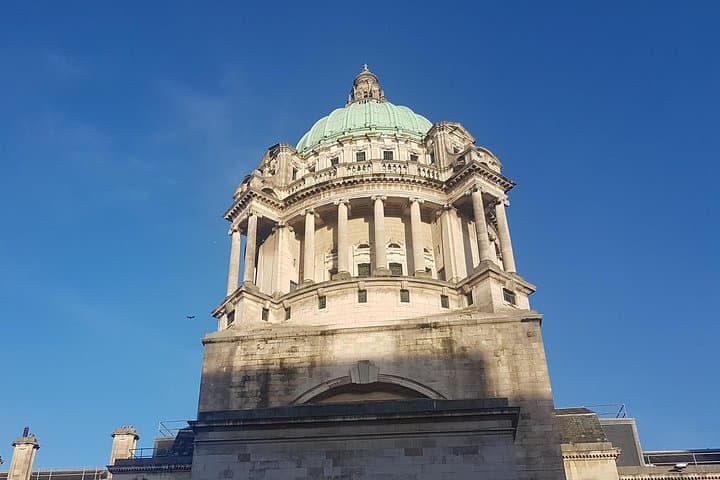
The guide leads the group out from beneath the clock of Belfast City Hall as a low January light slides across the River Lagan. Pedestrian streets, narrow medieval closes and wide civic squares trade places as you move: the city’s fabric is tactile underfoot — cobbles, modern paving, and the occasional tram of history.
Verified experiences and guided adventures in the surrounding area.
Operated by belfastology walking tours · Belfast, Northern Ireland
The guide leads the group out from beneath the clock of Belfast City Hall as a low January light slides across the River Lagan. Pedestrian streets, narrow medieval closes and wide civic squares trade places as you move: the city’s fabric is tactile underfoot — cobbles, modern paving, and the occasional tram of history.
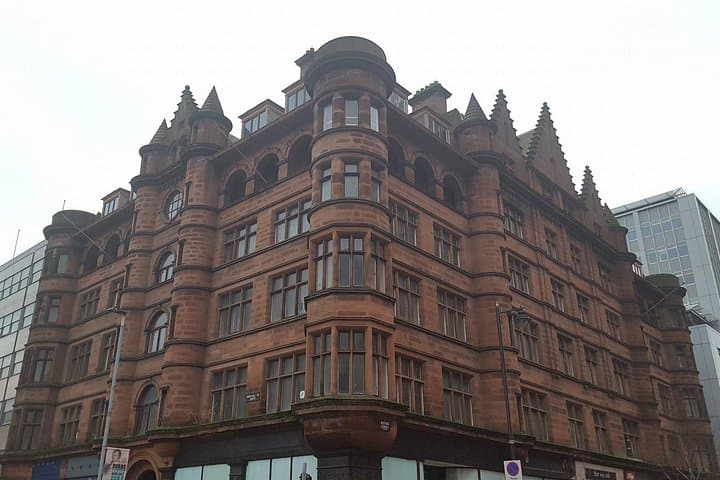
This 2.5‑hour route maps Belfast’s civic rise, its industrial heft and the cultural rebound that followed the Troubles. From the Entries where merchants once haggled, to the waterfront that birthed the Titanic, the walking tour stitches together shipbuilding geology — hard sandstone and reclaimed docklands — with stories of workers, migration and modern creative renewal.
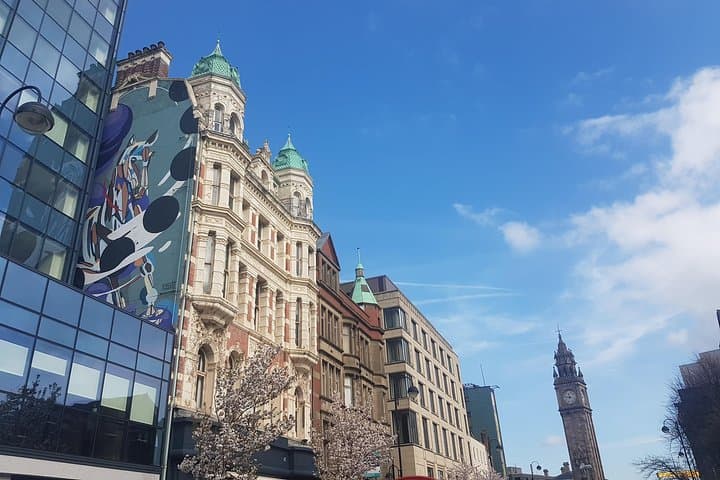
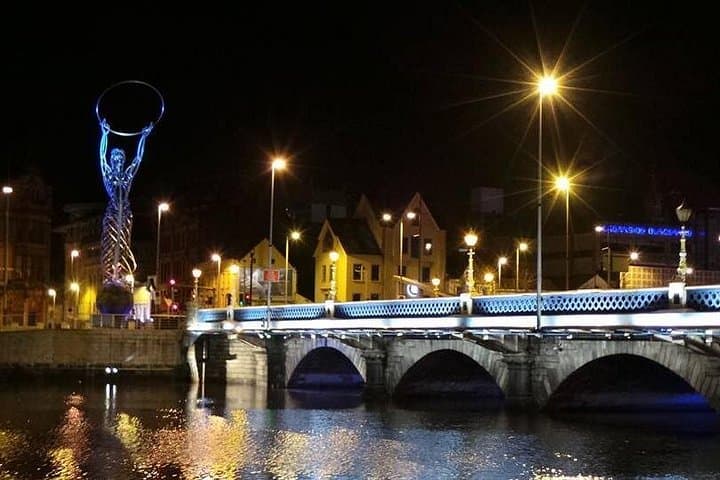
Expect street art and murals that act like public conversations; they mark memory and aspiration. The Cathedral Quarter’s pubs, galleries and festival venues show how a post‑industrial city retooled itself around culture and events. You’ll pass the Beacon of Hope, the Big Fish (a ceramic history book of the city), and views of Harland & Wolff cranes across the water.
Practically: this is urban walking on mostly paved surfaces, moderate pace, with some narrow alleys and short stair sections. Bring a waterproof layer — Belfast weather changes fast — and comfortable shoes with good grip for wet cobbles. Mornings are quieter for photography; evenings bring more atmosphere but also crowds. Public transit is nearby and the tour starts at Belfast City Hall.
The experience balances historical context with contemporary life, useful for visitors who want a compact, grounded introduction to Belfast’s character and the practical details to navigate it confidently.
moderate.
2.5 hours.
Suitable for travelers who can walk 2–3 miles at a steady pace and navigate short stair sections.
The meeting point is Belfast City Hall in the city center; the tour finishes in the Cathedral Quarter near pubs and galleries for easy onward exploration.
Children are welcome but must be accompanied by an adult; the route includes narrow streets and some steps, so it’s not recommended for those with significant mobility limitations.
No—tips for guides are customary if you enjoyed the tour but are not included in the booking price.
Yes—City Hall is well served by buses and is an easy walk from major central hotels and transport hubs.
Belfast rose in the 19th century as a shipbuilding and linen center; Harland & Wolff’s yards built the Titanic, which profoundly shaped the city’s identity.
The city promotes responsible mural tours and cultural regeneration; visitors are asked to respect memorials, avoid littering and support local businesses.
belfastology walking tours operates guided outdoor trips and adventures with an emphasis on safety, stewardship, and memorable experiences.
The guide leads the group out from beneath the clock of Belfast City Hall as a low January light slides across the River Lagan. Pedestrian streets, narrow medieval closes and wide civic squares trade places as you move: the city’s fabric is tactile underfoot — cobbles, modern paving, and the occasional tram of history.
The guide leads the group out from beneath the clock of Belfast City Hall as a low January light slides across the River Lagan. Pedestrian streets, narrow medieval closes and wide civic squares trade places as you move: the city’s fabric is tactile underfoot — cobbles, modern paving, and the occasional tram of history.
This 2.5‑hour route maps Belfast’s civic rise, its industrial heft and the cultural rebound that followed the Troubles. From the Entries where merchants once haggled, to the waterfront that birthed the Titanic, the walking tour stitches together shipbuilding geology — hard sandstone and reclaimed docklands — with stories of workers, migration and modern creative renewal.
Expect street art and murals that act like public conversations; they mark memory and aspiration. The Cathedral Quarter’s pubs, galleries and festival venues show how a post‑industrial city retooled itself around culture and events. You’ll pass the Beacon of Hope, the Big Fish (a ceramic history book of the city), and views of Harland & Wolff cranes across the water.
Practically: this is urban walking on mostly paved surfaces, moderate pace, with some narrow alleys and short stair sections. Bring a waterproof layer — Belfast weather changes fast — and comfortable shoes with good grip for wet cobbles. Mornings are quieter for photography; evenings bring more atmosphere but also crowds. Public transit is nearby and the tour starts at Belfast City Hall.
The experience balances historical context with contemporary life, useful for visitors who want a compact, grounded introduction to Belfast’s character and the practical details to navigate it confidently.