THE ADVENTURE COLLECTIVE® · Independent discovery and booking for outdoor travel

Spend 1.5–2 hours in Ebony Forest at Chamarel planting an endemic tree and touring a raised walkway to Sublime Point. This semi-guided experience mixes conservation, short walks, local snacks and a visit to a natural-history museum.
Spend 1.5–2 hours in Ebony Forest at Chamarel planting an endemic tree and touring a raised walkway to Sublime Point. This semi-guided experience mixes conservation, short walks, local snacks and a visit to a natural-history museum.
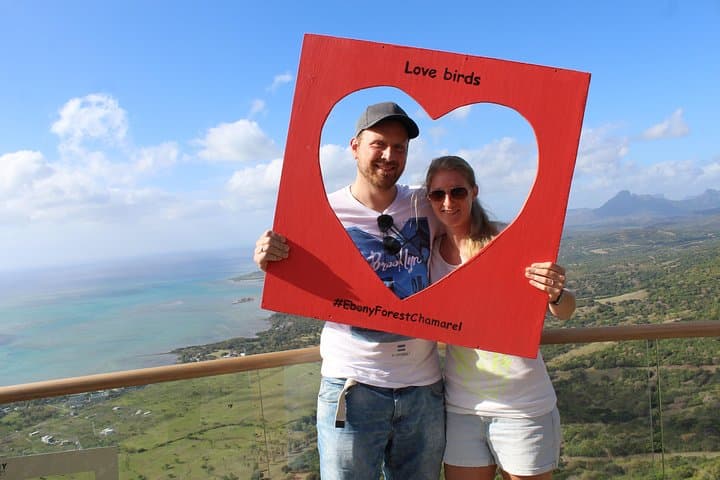
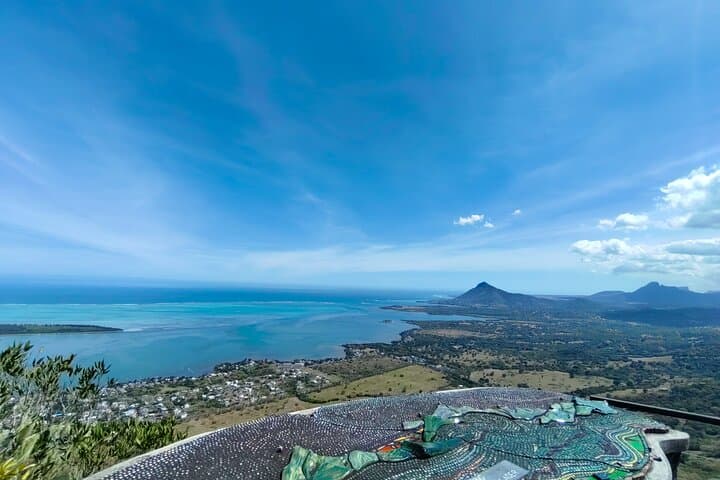
Beneath a low, honeyed sun on Mauritius’s southwest slopes, the raised walkway at Ebony Forest threads between trunks of endemic ebony and native palms. The path lifts you above the understory; humidity and bird calls press close, and the Sublime Point opens a breath-stopping view across ridges to the ocean. The forest seems to watch as you plant.
Verified experiences and guided adventures in the surrounding area.
Operated by Ebony Forest Chamarel · Chamarel, Rivière Noire District
Beneath a low, honeyed sun on Mauritius’s southwest slopes, the raised walkway at Ebony Forest threads between trunks of endemic ebony and native palms. The path lifts you above the understory; humidity and bird calls press close, and the Sublime Point opens a breath-stopping view across ridges to the ocean. The forest seems to watch as you plant.
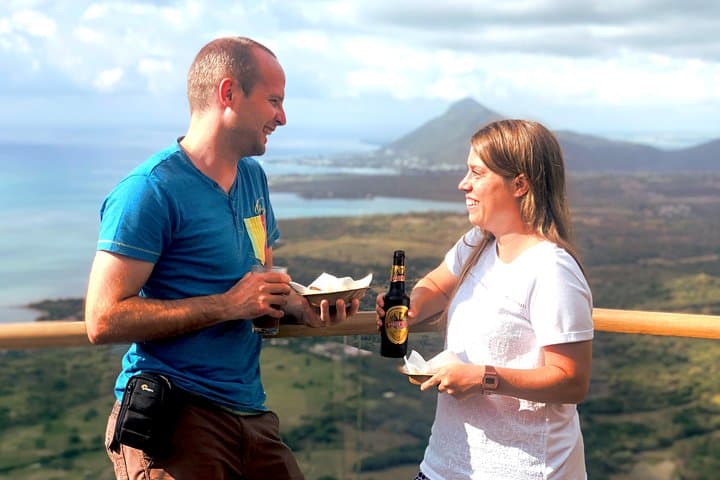
Ebony Forest is part restoration project, part living museum. The reserve protects fragments of the island’s original native forest — the same wild that once supported now-extinct species like the dodo and today’s endangered endemics. Geologically the area sits on old volcanic highlands with weathered basalt soils; nearby Chamarel is famous for its dramatic colored earth and cascades. Culturally, guides weave Creole stories and natural-history notes, and the on-site museum by Dr. Julian Hume connects paleontology and modern conservation. The tour includes a short drive or walk through native stands, a guided raised-walkway loop to Sublime Point, Mauritian snacks and drinks, and planting and labeling a native sapling to mark the visit.
Practicalities are straightforward: allow 1.5–2 hours, wear sturdy shoes and insect repellent, and expect light uneven trails and a short jeep transfer option. The reserve supplies tools and tags; bring a refillable water bottle and sun protection. Book in advance for weekend or honeymoon slots, and consider visiting early morning for cooler temperatures and the best bird activity. Planting here is an immediate way to support reforestation and local species recovery while enjoying accessible, low-impact outdoor time.
easy.
1.5–2 hours.
Suitable for most fitness levels; brief walking on raised walkways and light uneven terrain.
The semi-guided experience lasts about 1.5–2 hours, including a museum visit, raised walkway loop, Sublime Point stop, and tree planting.
You will plant a native endemic sapling chosen by the reserve — species vary according to restoration needs but are selected to benefit local habitat recovery.
Yes; the activity is rated easy and suitable for most ages, though younger children may need assistance on uneven sections.
No — the reserve provides hoe, spade, gloves and a tag for planting; bring personal layers for comfort instead.
The reserve is part of a broader effort to restore native forest on Mauritius; the on-site museum by Dr. Julian Hume links the island’s paleontological past with ongoing conservation.
Planting supports reforestation and habitat recovery for endangered endemic birds and plants, and the reserve runs active restoration and education programs to minimize visitor impact.
Ebony Forest Chamarel operates guided outdoor trips and adventures with an emphasis on safety, stewardship, and memorable experiences.

Beneath a low, honeyed sun on Mauritius’s southwest slopes, the raised walkway at Ebony Forest threads between trunks of endemic ebony and native palms. The path lifts you above the understory; humidity and bird calls press close, and the Sublime Point opens a breath-stopping view across ridges to the ocean. The forest seems to watch as you plant.
Beneath a low, honeyed sun on Mauritius’s southwest slopes, the raised walkway at Ebony Forest threads between trunks of endemic ebony and native palms. The path lifts you above the understory; humidity and bird calls press close, and the Sublime Point opens a breath-stopping view across ridges to the ocean. The forest seems to watch as you plant.
Ebony Forest is part restoration project, part living museum. The reserve protects fragments of the island’s original native forest — the same wild that once supported now-extinct species like the dodo and today’s endangered endemics. Geologically the area sits on old volcanic highlands with weathered basalt soils; nearby Chamarel is famous for its dramatic colored earth and cascades. Culturally, guides weave Creole stories and natural-history notes, and the on-site museum by Dr. Julian Hume connects paleontology and modern conservation. The tour includes a short drive or walk through native stands, a guided raised-walkway loop to Sublime Point, Mauritian snacks and drinks, and planting and labeling a native sapling to mark the visit.
Practicalities are straightforward: allow 1.5–2 hours, wear sturdy shoes and insect repellent, and expect light uneven trails and a short jeep transfer option. The reserve supplies tools and tags; bring a refillable water bottle and sun protection. Book in advance for weekend or honeymoon slots, and consider visiting early morning for cooler temperatures and the best bird activity. Planting here is an immediate way to support reforestation and local species recovery while enjoying accessible, low-impact outdoor time.