THE ADVENTURE COLLECTIVE® · Independent discovery and booking for outdoor travel

Walk older volcanic slopes to watch some of Mauritius’s rarest birds. This guided tour combines release-aviary viewing, native-forest walks and elevated viewpoints with expert commentary on restoration success.
Walk older volcanic slopes to watch some of Mauritius’s rarest birds. This guided tour combines release-aviary viewing, native-forest walks and elevated viewpoints with expert commentary on restoration success.
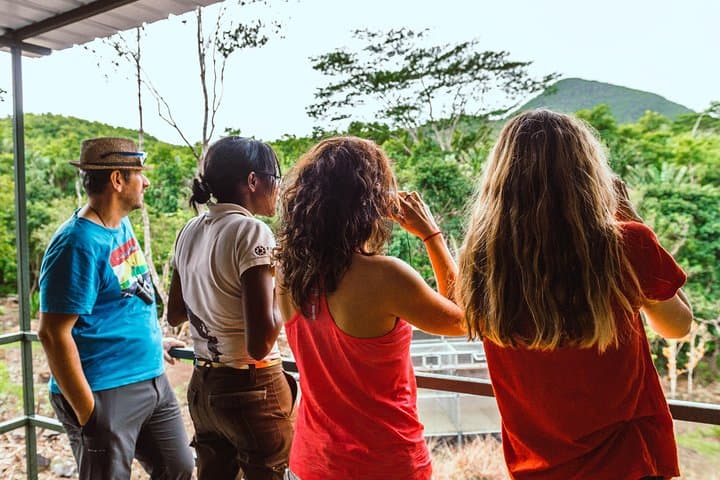
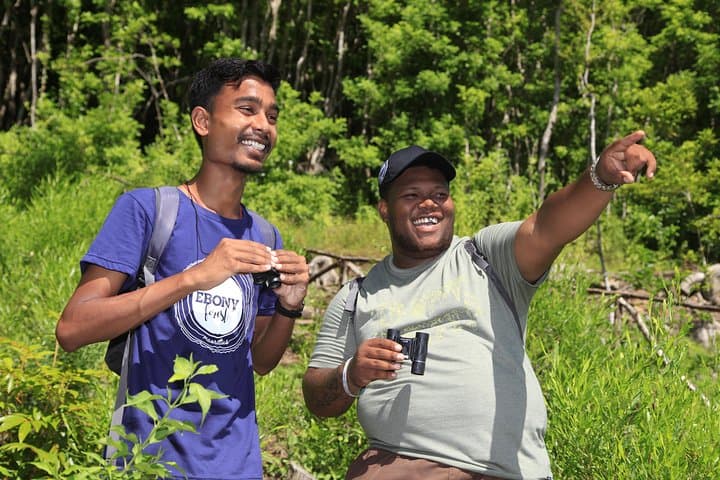
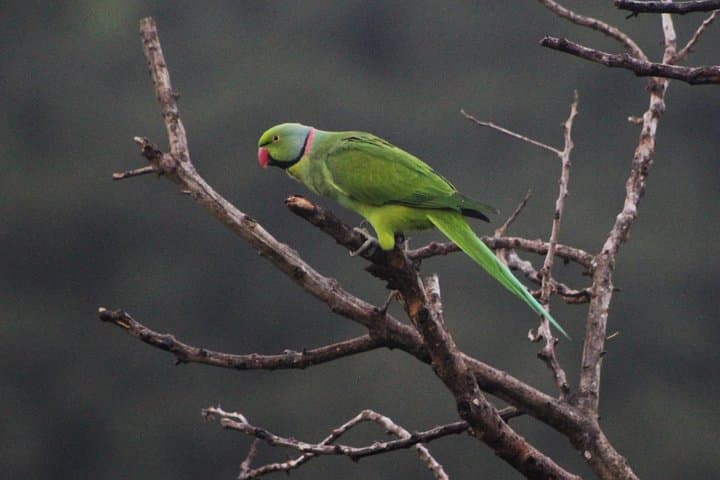
Dawn breaks across the southwest ridges of Mauritius and the forest exhales—a chorus of calls threads through deep green ebony and native canopy. On the path to Sublime Point a guide points toward movement in the treetops: a flash of green Echo Parakeet, a pale Pink Pigeon perched like a rare punctuation mark. The air tastes of wet earth and distant ocean.
Verified experiences and guided adventures in the surrounding area.
Operated by Ebony Forest Chamarel · Chamarel, Rivière Noire
Dawn breaks across the southwest ridges of Mauritius and the forest exhales—a chorus of calls threads through deep green ebony and native canopy. On the path to Sublime Point a guide points toward movement in the treetops: a flash of green Echo Parakeet, a pale Pink Pigeon perched like a rare punctuation mark. The air tastes of wet earth and distant ocean.
Ebony Forest sits on old volcanic slopes above Chamarel, an area shaped by basalt flows and laterite soils that favor a compact, high-canopy native forest. The reserve is part restoration project, part living museum: the on-site interpretive center and exhibits by Julian Hume explain how endemic species declined and how active reforestation and aviary-release programs are rebuilding habitat.
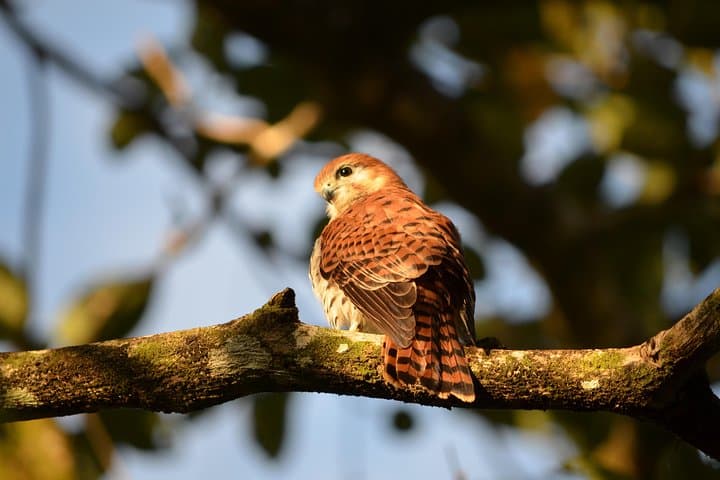
Birdlife is the reason most visitors come. Expect to see Pink Pigeon and Echo Parakeet at the release aviaries, while itineraries often deliver encounters with Mauritius Kestrel, Mauritius Paradise Flycatcher, black bulbul and grey white-eye. Overhead the air is claimed by Mascarene swifts and tropical frigatebirds; fruiting trees attract Mauritius flying foxes at dusk. The forest moves—branches test your balance, wind nudges the canopy, and birds seem to time their calls to catch your attention.
Practical note: tours run about 3–4 hours and combine short walks with optional jeep sections, so a moderate fitness level is useful. The trails are uneven and shaded; bring binoculars, sturdier footwear, water and a light rain layer. Morning visits give the best bird activity; snacks and local drinks are served at Sublime Point. Minimum two adults required; groups are small and guided for conservation-focused viewing.
moderate.
3–4 hours.
Moderate—expect short uphill sections and uneven ground; suitable for regular walkers.
Tours last about 3–4 hours and mix short walks on uneven forest trails with optional jeep segments; walking distances are flexible to suit fitness levels.
The reserve operates release aviaries and sightings are likely but not guaranteed; early morning increases chances and guides know current activity patterns.
The tour is family-friendly but requires a moderate fitness level; strollers are not suitable—check with the operator about mobility needs before booking.
Photography for personal use is allowed; drones and flash photography that disturb wildlife are prohibited—confirm rules with guides on arrival.
Much of Mauritius was deforested after human settlement; Ebony Forest is a relatively recent restoration effort focused on re-establishing native canopy and recovering endemic bird populations.
The reserve operates captive-release and habitat restoration programs; visits support ongoing conservation and promote low-impact wildlife viewing.
Ebony Forest Chamarel operates guided outdoor trips and adventures with an emphasis on safety, stewardship, and memorable experiences.
Dawn breaks across the southwest ridges of Mauritius and the forest exhales—a chorus of calls threads through deep green ebony and native canopy. On the path to Sublime Point a guide points toward movement in the treetops: a flash of green Echo Parakeet, a pale Pink Pigeon perched like a rare punctuation mark. The air tastes of wet earth and distant ocean.
Dawn breaks across the southwest ridges of Mauritius and the forest exhales—a chorus of calls threads through deep green ebony and native canopy. On the path to Sublime Point a guide points toward movement in the treetops: a flash of green Echo Parakeet, a pale Pink Pigeon perched like a rare punctuation mark. The air tastes of wet earth and distant ocean.
Ebony Forest sits on old volcanic slopes above Chamarel, an area shaped by basalt flows and laterite soils that favor a compact, high-canopy native forest. The reserve is part restoration project, part living museum: the on-site interpretive center and exhibits by Julian Hume explain how endemic species declined and how active reforestation and aviary-release programs are rebuilding habitat.
Birdlife is the reason most visitors come. Expect to see Pink Pigeon and Echo Parakeet at the release aviaries, while itineraries often deliver encounters with Mauritius Kestrel, Mauritius Paradise Flycatcher, black bulbul and grey white-eye. Overhead the air is claimed by Mascarene swifts and tropical frigatebirds; fruiting trees attract Mauritius flying foxes at dusk. The forest moves—branches test your balance, wind nudges the canopy, and birds seem to time their calls to catch your attention.
Practical note: tours run about 3–4 hours and combine short walks with optional jeep sections, so a moderate fitness level is useful. The trails are uneven and shaded; bring binoculars, sturdier footwear, water and a light rain layer. Morning visits give the best bird activity; snacks and local drinks are served at Sublime Point. Minimum two adults required; groups are small and guided for conservation-focused viewing.