THE ADVENTURE COLLECTIVE® · Independent discovery and booking for outdoor travel

Spend a contained day on the Nyong River and at Méfou Primate Park—canoe through forested waterways, visit a millennia-old baobab, and meet rescued great apes while learning local conservation practices.
Spend a contained day on the Nyong River and at Méfou Primate Park—canoe through forested waterways, visit a millennia-old baobab, and meet rescued great apes while learning local conservation practices.
The Nyong River appears first as a ribbon of glass reflecting broken sky; your canoe slips against its current and the forest leans in as if to watch. Early light cracks through layered canopy while kingfishers dart and butterflies stitch the air—this is the day’s opening act before the forest gives over to the silent presence of a thousand-year-old baobab.
Verified experiences and guided adventures in the surrounding area.
Operated by CamerTour.org · Yaoundé, Centre
The Nyong River appears first as a ribbon of glass reflecting broken sky; your canoe slips against its current and the forest leans in as if to watch. Early light cracks through layered canopy while kingfishers dart and butterflies stitch the air—this is the day’s opening act before the forest gives over to the silent presence of a thousand-year-old baobab.
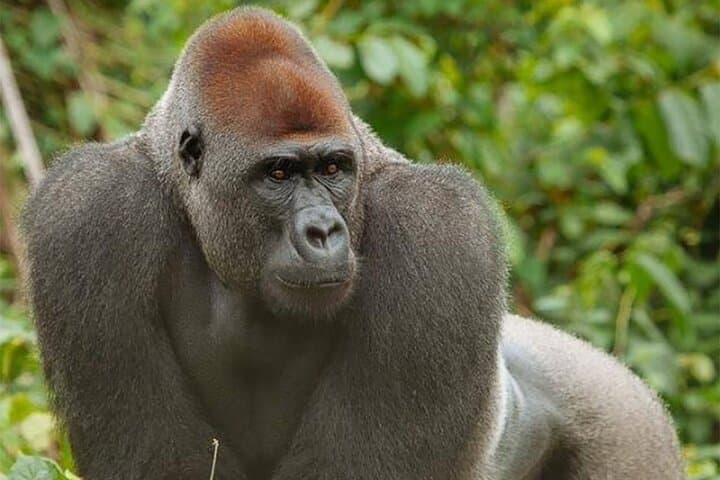
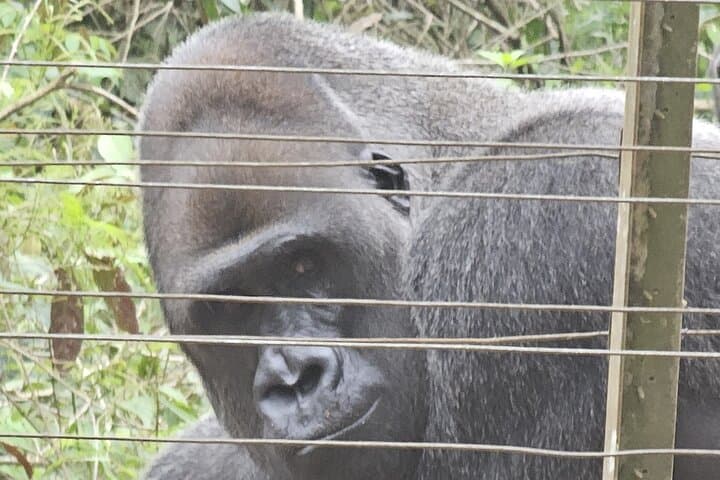
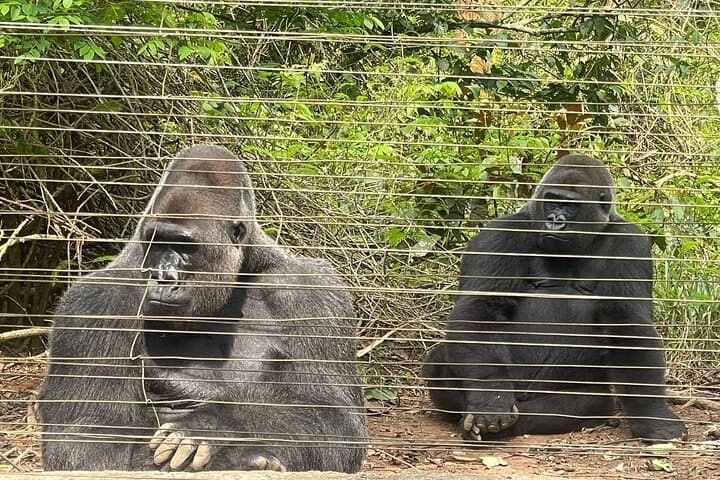
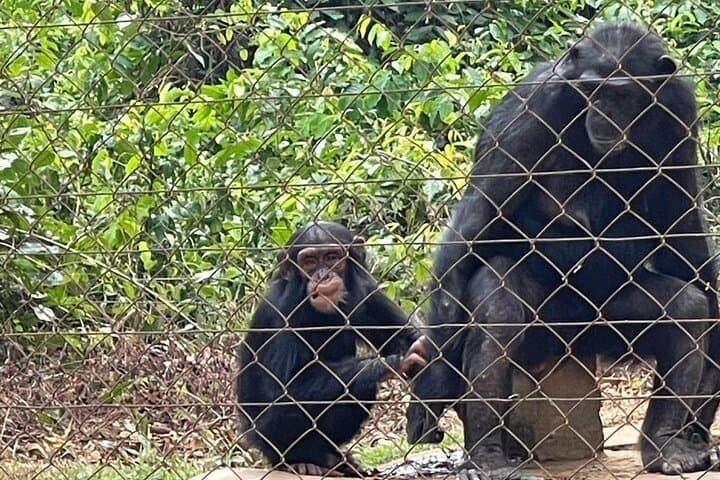
This loop pairs two different faces of Cameroon’s Centre Region: riverine lowland forest shaped by the Nyong’s slow meander and the fenced rehabilitation grounds at Méfou where rescued chimpanzees and gorillas are prepared for life beyond captivity. Geologically the landscape is old, low-relief terrain of lateritic soils and humid evergreen forest; culturally the corridor holds small villages whose livelihoods remain linked to river transport and small-scale agriculture.
Expect a slow, observational rhythm: a three-hour canoe glide with short forest walks to the baobab, followed by an hour’s drive and guided visits through enclosures where caretakers explain release programs and anti-poaching efforts. Wildlife sightings are deliberate, not guaranteed—watch birds, reptiles and the occasional forest mammal along the Nyong; at Méfou, primate viewing is secure but regulated for animal welfare.
Practical edge: wear closed shoes for mud and short forest trails, bring sun protection and insect repellent, and favour quiet, patient movement near wildlife. The operator includes transport, a canoe, bottled water and lunch; pick-up from Yaoundé makes this a straightforward day out for travelers wanting a concentrated dose of Central African forest and conservation work.
easy.
6 hours.
Suitable for most fitness levels; requires short walks on uneven ground and a seated canoe trip.
The canoe ride and immediate forest walks take about three hours total, including stops for wildlife observation and the baobab visit.
Gorillas at Méfou are part of a rehabilitation and sanctuary program; you will see rescued individuals in secure enclosures rather than free-ranging wild gorillas.
Yes—activity is labeled physically easy; infants must sit on an adult’s lap during transit and supervision is required around water and enclosures.
Yes; entrance tickets, lunch and bottled water are included in the price, along with transport from Yaoundé.
The Nyong corridor has supported river transport and smallholder agriculture for generations; Méfou Park grew from local conservation efforts to rehabilitate primates impacted by the bushmeat trade.
Méfou operates as a rehabilitation center emphasizing care, research and eventual reintroduction when feasible; visitors are asked to respect viewing rules to minimize stress on animals.
CamerTour.org operates guided outdoor trips and adventures with an emphasis on safety, stewardship, and memorable experiences.
The Nyong River appears first as a ribbon of glass reflecting broken sky; your canoe slips against its current and the forest leans in as if to watch. Early light cracks through layered canopy while kingfishers dart and butterflies stitch the air—this is the day’s opening act before the forest gives over to the silent presence of a thousand-year-old baobab.
The Nyong River appears first as a ribbon of glass reflecting broken sky; your canoe slips against its current and the forest leans in as if to watch. Early light cracks through layered canopy while kingfishers dart and butterflies stitch the air—this is the day’s opening act before the forest gives over to the silent presence of a thousand-year-old baobab.
This loop pairs two different faces of Cameroon’s Centre Region: riverine lowland forest shaped by the Nyong’s slow meander and the fenced rehabilitation grounds at Méfou where rescued chimpanzees and gorillas are prepared for life beyond captivity. Geologically the landscape is old, low-relief terrain of lateritic soils and humid evergreen forest; culturally the corridor holds small villages whose livelihoods remain linked to river transport and small-scale agriculture.
Expect a slow, observational rhythm: a three-hour canoe glide with short forest walks to the baobab, followed by an hour’s drive and guided visits through enclosures where caretakers explain release programs and anti-poaching efforts. Wildlife sightings are deliberate, not guaranteed—watch birds, reptiles and the occasional forest mammal along the Nyong; at Méfou, primate viewing is secure but regulated for animal welfare.
Practical edge: wear closed shoes for mud and short forest trails, bring sun protection and insect repellent, and favour quiet, patient movement near wildlife. The operator includes transport, a canoe, bottled water and lunch; pick-up from Yaoundé makes this a straightforward day out for travelers wanting a concentrated dose of Central African forest and conservation work.