THE ADVENTURE COLLECTIVE® · Independent discovery and booking for outdoor travel

Spend a full day being driven from Tokyo to Ebisu Circuit, then ride shotgun or take real laps in iconic drift machines across four distinct courses. Expect long drives, tire smoke, and close-up lessons in sideways driving.
Spend a full day being driven from Tokyo to Ebisu Circuit, then ride shotgun or take real laps in iconic drift machines across four distinct courses. Expect long drives, tire smoke, and close-up lessons in sideways driving.
You slide into a drift-ready Nissan — a 350Z, Silvia S15, or JZX100 Chaser — as Tokyo’s neon gives way to low, forested ridgelines. The morning is early and deliberate; the car hums, the driver checks the harness, and the city shrinks behind toll plazas and quiet service stops during the roughly 3.5-hour drive to Ebisu Circuit.
Verified experiences and guided adventures in the surrounding area.
Operated by JDMdrifttours · Nihonmatsu, Fukushima Prefecture
You slide into a drift-ready Nissan — a 350Z, Silvia S15, or JZX100 Chaser — as Tokyo’s neon gives way to low, forested ridgelines. The morning is early and deliberate; the car hums, the driver checks the harness, and the city shrinks behind toll plazas and quiet service stops during the roughly 3.5-hour drive to Ebisu Circuit.
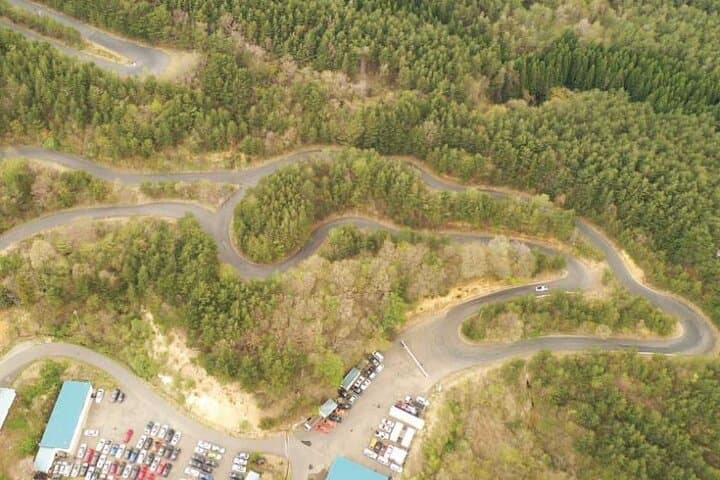
Ebisu rose from grassroots motorsport in the 1990s to become an international magnet for drifting. The complex is a cluster of circuits carved into Fukushima’s rolling hills: Kuru-Kuru Land for donuts and figure 8s, the technical School Course, the narrow, reactive Touge mountain pass, and the high-speed North Course. Geology here is simple — low volcanic foothills push the roadlines into tight, committing curves that dare you to keep them sideways.
Culturally, the day is as much about community as speed: between runs you’ll watch local teams, swap tips with visiting drivers, and witness the rituals around tire strategy and smoke-filled celebration. The tour includes private pickup from Tokyo, tolls, entry, two sets of rear tires and roughly two full tanks of fuel — expect a long, hands-on day.
Practical guidance: be ready for a 12–16 hour excursion, dress in low-profile, non-flammable layers and closed-toe shoes, and bring ear protection and motion-sickness remedies. Physical strain is moderate — repeated lateral forces and long road transfer mean this isn’t a passive sight-seeing day. Follow instructor directions, secure loose cameras, and plan for an evening return to Tokyo. If you want full, front-seat time in a drift car and the kind of immersion that only repeated runs can deliver, this is a day built to push both car and rider.
moderate.
12–16 hours.
Moderate level of fitness recommended: able to handle repeated lateral forces and long vehicle transfers without severe discomfort.
Most bookings offer ride-along sessions with experienced drivers; some operators provide limited passenger-to-driver transition depending on experience and licensing — confirm when booking.
Yes — the tour provides private pickup from hotels within Tokyo; confirm your pickup point during reservation.
Organizers typically supply helmets and required safety gear; you can bring your own if it meets the operator’s standards — check ahead.
Not recommended for pregnant travelers, people with spinal or serious heart problems; a moderate fitness level is suggested due to long transfers and repeated g-forces.
Ebisu Circuit became central to Japan’s drifting scene in the 1990s and 2000s, evolving from private training grounds into an international motorsport hub.
Keep to facility rules: avoid littering, respect exhaust and smoke zones, and follow staff guidance to minimize noise and ecological impact on surrounding forests.
JDMdrifttours operates guided outdoor trips and adventures with an emphasis on safety, stewardship, and memorable experiences.
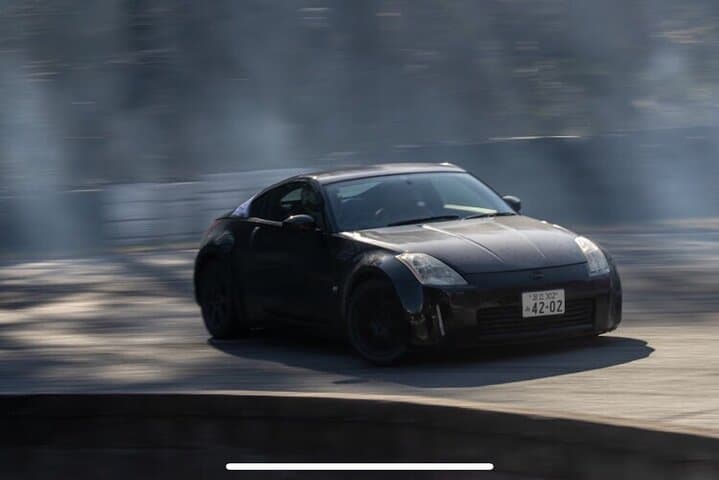
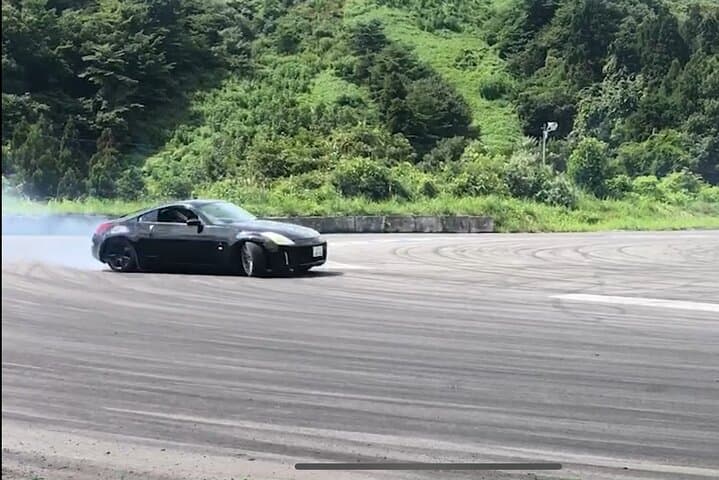
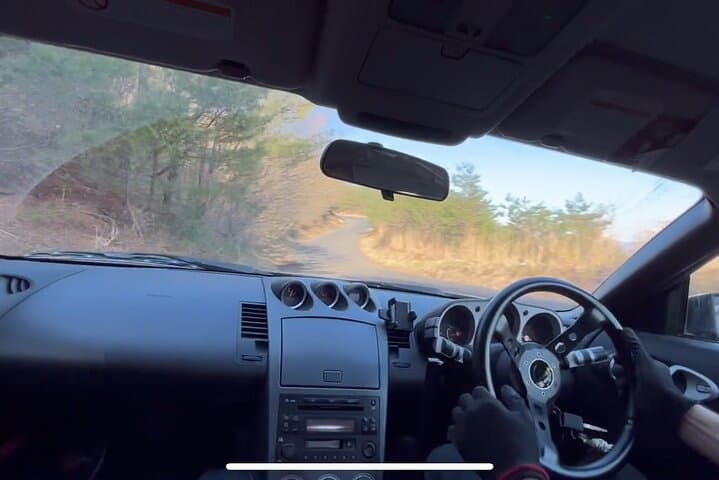
You slide into a drift-ready Nissan — a 350Z, Silvia S15, or JZX100 Chaser — as Tokyo’s neon gives way to low, forested ridgelines. The morning is early and deliberate; the car hums, the driver checks the harness, and the city shrinks behind toll plazas and quiet service stops during the roughly 3.5-hour drive to Ebisu Circuit.
You slide into a drift-ready Nissan — a 350Z, Silvia S15, or JZX100 Chaser — as Tokyo’s neon gives way to low, forested ridgelines. The morning is early and deliberate; the car hums, the driver checks the harness, and the city shrinks behind toll plazas and quiet service stops during the roughly 3.5-hour drive to Ebisu Circuit.
Ebisu rose from grassroots motorsport in the 1990s to become an international magnet for drifting. The complex is a cluster of circuits carved into Fukushima’s rolling hills: Kuru-Kuru Land for donuts and figure 8s, the technical School Course, the narrow, reactive Touge mountain pass, and the high-speed North Course. Geology here is simple — low volcanic foothills push the roadlines into tight, committing curves that dare you to keep them sideways.
Culturally, the day is as much about community as speed: between runs you’ll watch local teams, swap tips with visiting drivers, and witness the rituals around tire strategy and smoke-filled celebration. The tour includes private pickup from Tokyo, tolls, entry, two sets of rear tires and roughly two full tanks of fuel — expect a long, hands-on day.
Practical guidance: be ready for a 12–16 hour excursion, dress in low-profile, non-flammable layers and closed-toe shoes, and bring ear protection and motion-sickness remedies. Physical strain is moderate — repeated lateral forces and long road transfer mean this isn’t a passive sight-seeing day. Follow instructor directions, secure loose cameras, and plan for an evening return to Tokyo. If you want full, front-seat time in a drift car and the kind of immersion that only repeated runs can deliver, this is a day built to push both car and rider.