THE ADVENTURE COLLECTIVE® · Independent discovery and booking for outdoor travel

Taste Yokohama one alley at a time on a four-hour private walking tour that visits Chinatown, Noge-cho, and hidden neighborhood eateries. Local guides customize stops to match dietary needs and reveal the city’s culinary history.
Taste Yokohama one alley at a time on a four-hour private walking tour that visits Chinatown, Noge-cho, and hidden neighborhood eateries. Local guides customize stops to match dietary needs and reveal the city’s culinary history.
A narrow street in Yokohama Chinatown hums with steam and spice as the guide leads the group past neon signs and lacquered lanterns. The scent of frying batter and simmering broth lures walkers from the harborfront into alleys where small kitchens doorways open like invitations. Over four hours the city reveals itself plate by plate: soup dumplings steamed in bamboo baskets, rich Yokohama-style ramen, grilled skewers in Noge-cho, and hidden sushi counters where chefs work with practiced, fast hands.
Verified experiences and guided adventures in the surrounding area.
Operated by JewelTours.Japan · Yokohama, Kanagawa
A narrow street in Yokohama Chinatown hums with steam and spice as the guide leads the group past neon signs and lacquered lanterns. The scent of frying batter and simmering broth lures walkers from the harborfront into alleys where small kitchens doorways open like invitations. Over four hours the city reveals itself plate by plate: soup dumplings steamed in bamboo baskets, rich Yokohama-style ramen, grilled skewers in Noge-cho, and hidden sushi counters where chefs work with practiced, fast hands.
Yokohama’s history as one of Japan’s first treaty ports (opened in 1859) set the stage for its layered cuisine—Chinese immigrants established Chinatown, while foreign trade introduced new ingredients and techniques. Geologically the city sits on a reclaimed coastal plain at Tokyo Bay, its streets shaped by harbor development rather than mountain trails. Culturally, the tour threads through working-class Noge-cho, a neighborhood that kept postwar izakaya culture alive, and the polished avenues near Motomachi.
Practical guidance: wear comfortable walking shoes and bring small bills for street stalls; most stops accept cash and cards vary. Tours are private and customizable—tell your guide dietary needs in advance. Expect several short walks between stops on mostly flat, paved streets with occasional steps inside older eateries. Hydrate between tastings and pace yourself: portions are generous and the goal is variety, not fullness. Tours run year-round; bring a light rain jacket in wet months and consider an early-evening slot to catch both daylight and the nighttime glow of Chinatown.
easy.
4 hours.
Suitable for most fitness levels; requires the ability to walk 2–4 miles on flat urban streets and climb a few steps.
Yes—this private tour can be customized; notify the operator at booking so guides can plan appropriate stops and substitutions.
Expect about 2–4 miles total over four hours on mostly flat, paved streets with occasional steps into restaurants.
Entry fees to included stops and a variety of local dishes are covered—confirm any extra-cost specialty items with your guide.
Many streets are accessible and the tour notes wheelchair and stroller accessibility, but some older izakayas may have steps—discuss needs when booking.
Yokohama was opened to foreign trade in 1859, which brought international ingredients and created a distinctive Chinatown and cosmopolitan food scene.
Support independent eateries, avoid single-use plastics where possible, and stay on public sidewalks to respect residential areas and reduce street congestion.
JewelTours.Japan operates guided outdoor trips and adventures with an emphasis on safety, stewardship, and memorable experiences.
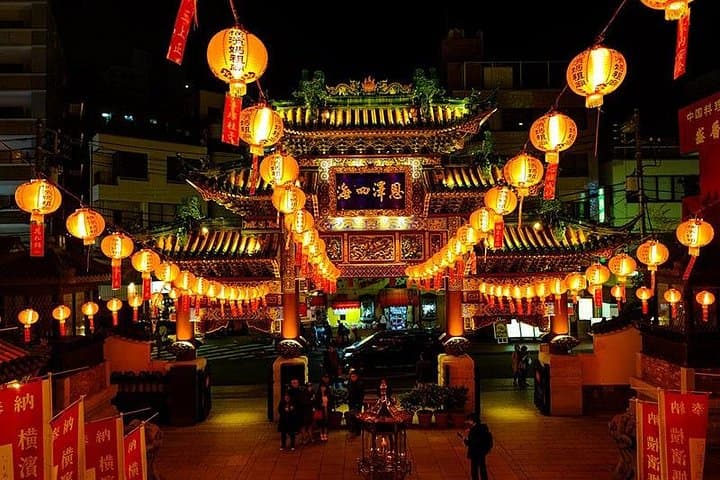
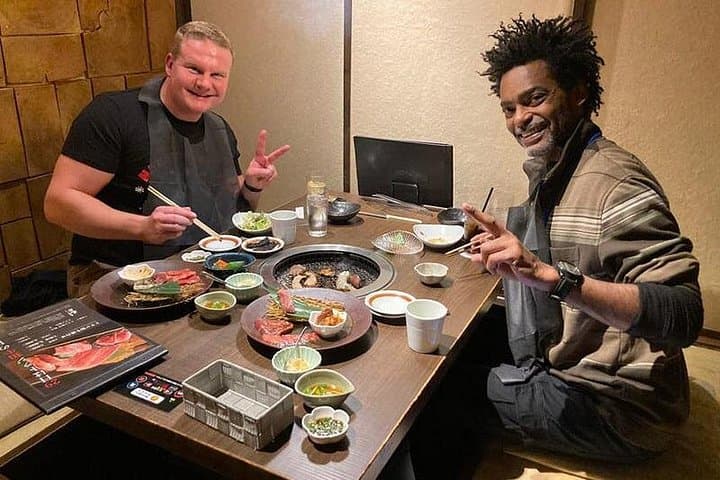
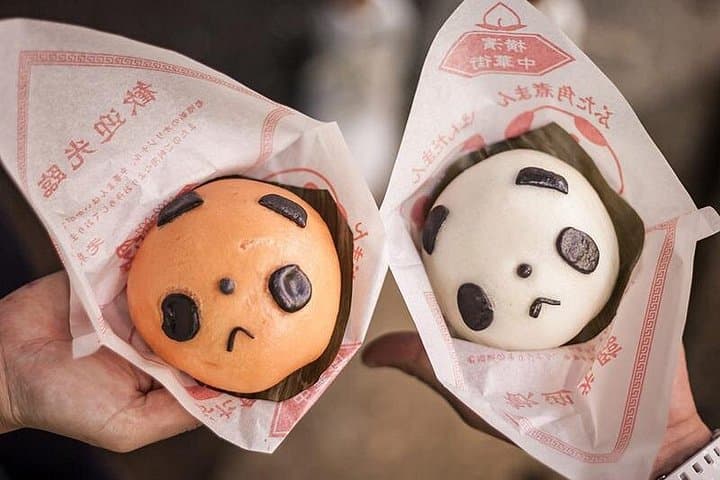
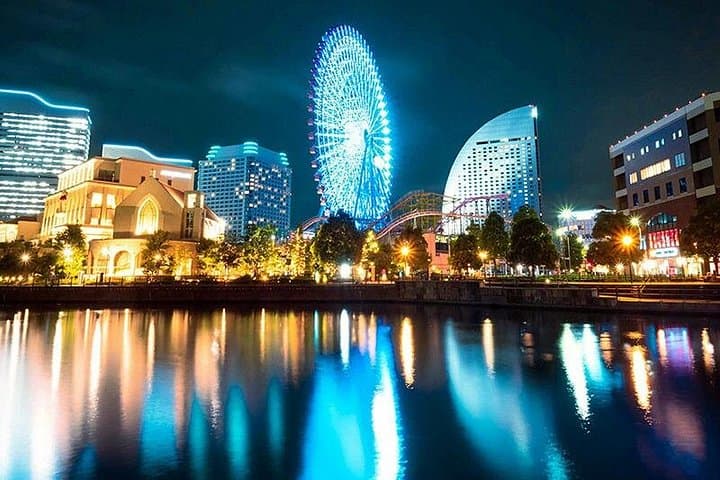
A narrow street in Yokohama Chinatown hums with steam and spice as the guide leads the group past neon signs and lacquered lanterns. The scent of frying batter and simmering broth lures walkers from the harborfront into alleys where small kitchens doorways open like invitations. Over four hours the city reveals itself plate by plate: soup dumplings steamed in bamboo baskets, rich Yokohama-style ramen, grilled skewers in Noge-cho, and hidden sushi counters where chefs work with practiced, fast hands.
A narrow street in Yokohama Chinatown hums with steam and spice as the guide leads the group past neon signs and lacquered lanterns. The scent of frying batter and simmering broth lures walkers from the harborfront into alleys where small kitchens doorways open like invitations. Over four hours the city reveals itself plate by plate: soup dumplings steamed in bamboo baskets, rich Yokohama-style ramen, grilled skewers in Noge-cho, and hidden sushi counters where chefs work with practiced, fast hands.
Yokohama’s history as one of Japan’s first treaty ports (opened in 1859) set the stage for its layered cuisine—Chinese immigrants established Chinatown, while foreign trade introduced new ingredients and techniques. Geologically the city sits on a reclaimed coastal plain at Tokyo Bay, its streets shaped by harbor development rather than mountain trails. Culturally, the tour threads through working-class Noge-cho, a neighborhood that kept postwar izakaya culture alive, and the polished avenues near Motomachi.
Practical guidance: wear comfortable walking shoes and bring small bills for street stalls; most stops accept cash and cards vary. Tours are private and customizable—tell your guide dietary needs in advance. Expect several short walks between stops on mostly flat, paved streets with occasional steps inside older eateries. Hydrate between tastings and pace yourself: portions are generous and the goal is variety, not fullness. Tours run year-round; bring a light rain jacket in wet months and consider an early-evening slot to catch both daylight and the nighttime glow of Chinatown.