THE ADVENTURE COLLECTIVE® · Independent discovery and booking for outdoor travel

An evening of remoks, alleyway stalls and bold Khmer flavors: this guided street-food tour takes you off the tourist path to sample local snacks, desserts and daring specialties. Perfect for curious eaters ready to navigate markets and small-plate culture in Siem Reap.
An evening of remoks, alleyway stalls and bold Khmer flavors: this guided street-food tour takes you off the tourist path to sample local snacks, desserts and daring specialties. Perfect for curious eaters ready to navigate markets and small-plate culture in Siem Reap.
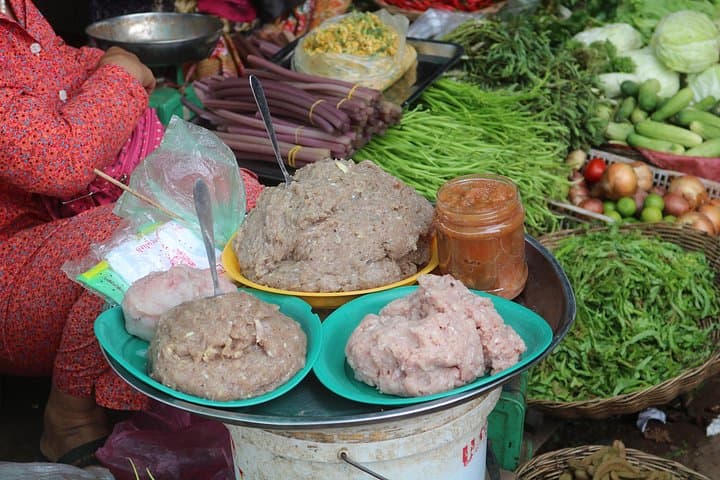
The sun slips low over Siem Reap and the alleys begin to glow with bulbs and steam — an evening pulse that pulls you from the hotel's air-conditioned calm into a world of sizzling woks and bright fruit stalls. You move with a small group, riding a remok between pockets of vendors, stepping off where aromas crowd the street.
Verified experiences and guided adventures in the surrounding area.
Operated by Journey Cambodia · Siem Reap, Siem Reap Province
The sun slips low over Siem Reap and the alleys begin to glow with bulbs and steam — an evening pulse that pulls you from the hotel's air-conditioned calm into a world of sizzling woks and bright fruit stalls. You move with a small group, riding a remok between pockets of vendors, stepping off where aromas crowd the street.
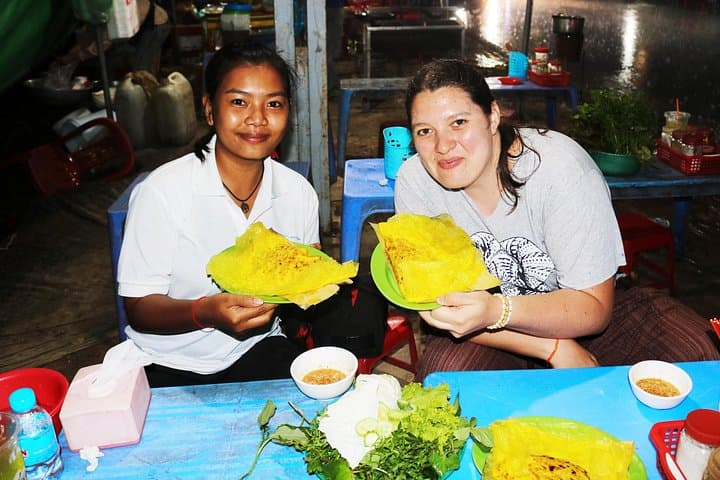
Khmer cuisine is ancient, shaped by the fertile Tonlé Sap floodplain and three millennia of regional exchange; flavors here reflect Thai, Vietnamese, Chinese and French threads braided together. Markets are the city’s theatre — salt, tamarind, coconut and the faint smoke of charcoal directing the evening’s menu. Your guide points out local staples, from noodle soups to sweet pandan desserts, and explains how rice paddies and seasonal fish have guided Khmer plates for generations.
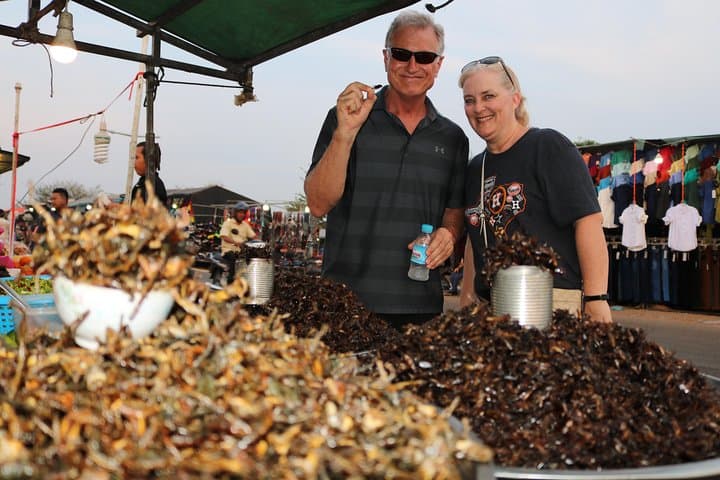
Expect a sensory itinerary: a visit to a fruit market, narrow alleys lit by lanterns, and Siem Reap’s largest picnic area where vendors set out rows of snacks and peculiar challenges for the daring — fried crickets, red ants, even spiders. Conversation with stall owners reveals small cultural notes: favorite family recipes, seasoning tricks, and how the wet season changes what’s fresh.
Practical: walk-ready shoes, small bills for change, and a tolerance for crowds make the night smoother; drink bottled water provided and flag allergies in advance. The tour runs about 3–4 hours, starting after dusk when the city’s food scene wakes; move deliberately, taste boldly, and remember that each stall is a working kitchen with its own pace and rhythm.
easy.
3–4 hours.
Light activity—comfortable for most fitness levels; involves standing, walking short distances and getting on/off a remok.
Yes—it's marked as stroller accessible and physically easy, but plan which foods children sample and inform the guide of any age-based concerns.
No—the tour offers traditional Khmer staples and sweets; trying insects or other novelty items is optional and guided as a challenge.
Yes—hotel pickup and drop-off is included; confirm your pickup point when booking.
Vegetarian options are available if requested at booking; the guide will point out meat-free stalls and dishes.
Khmer food draws from more than 3,000 years of inland wet-rice agriculture and centuries of regional trade, resulting in a cuisine that balances sour, salty, sweet and bitter.
Support vendors who use reusable or minimal packaging, decline single-use plastics when possible, and compost food waste where community programs exist.
Journey Cambodia operates guided outdoor trips and adventures with an emphasis on safety, stewardship, and memorable experiences.

The sun slips low over Siem Reap and the alleys begin to glow with bulbs and steam — an evening pulse that pulls you from the hotel's air-conditioned calm into a world of sizzling woks and bright fruit stalls. You move with a small group, riding a remok between pockets of vendors, stepping off where aromas crowd the street.
The sun slips low over Siem Reap and the alleys begin to glow with bulbs and steam — an evening pulse that pulls you from the hotel's air-conditioned calm into a world of sizzling woks and bright fruit stalls. You move with a small group, riding a remok between pockets of vendors, stepping off where aromas crowd the street.
Khmer cuisine is ancient, shaped by the fertile Tonlé Sap floodplain and three millennia of regional exchange; flavors here reflect Thai, Vietnamese, Chinese and French threads braided together. Markets are the city’s theatre — salt, tamarind, coconut and the faint smoke of charcoal directing the evening’s menu. Your guide points out local staples, from noodle soups to sweet pandan desserts, and explains how rice paddies and seasonal fish have guided Khmer plates for generations.
Expect a sensory itinerary: a visit to a fruit market, narrow alleys lit by lanterns, and Siem Reap’s largest picnic area where vendors set out rows of snacks and peculiar challenges for the daring — fried crickets, red ants, even spiders. Conversation with stall owners reveals small cultural notes: favorite family recipes, seasoning tricks, and how the wet season changes what’s fresh.
Practical: walk-ready shoes, small bills for change, and a tolerance for crowds make the night smoother; drink bottled water provided and flag allergies in advance. The tour runs about 3–4 hours, starting after dusk when the city’s food scene wakes; move deliberately, taste boldly, and remember that each stall is a working kitchen with its own pace and rhythm.