THE ADVENTURE COLLECTIVE® · Independent discovery and booking for outdoor travel

Spend three relaxed hours exploring Hakone’s botanical wetlands and the silver waves of Sengokuhara pampas grass. This easy, guided walk mixes close-up plant and birdwatching with broad volcanic views and practical local guidance.
Spend three relaxed hours exploring Hakone’s botanical wetlands and the silver waves of Sengokuhara pampas grass. This easy, guided walk mixes close-up plant and birdwatching with broad volcanic views and practical local guidance.
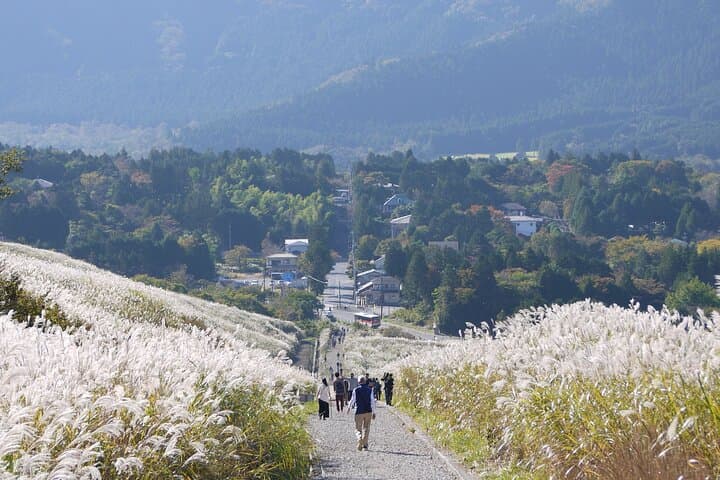
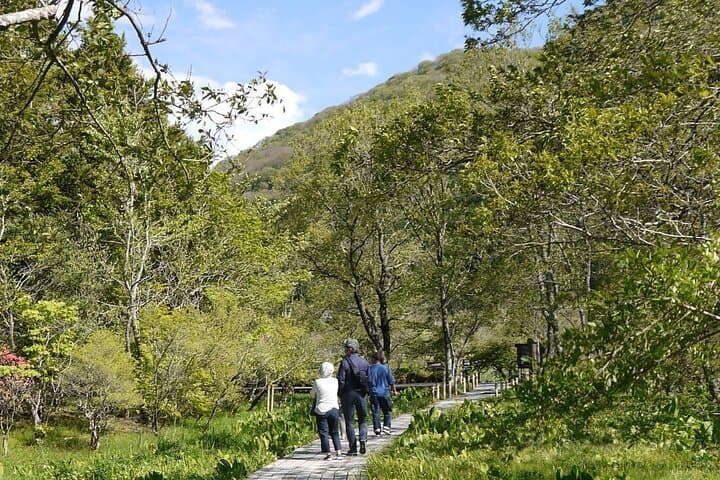
A low, sweet wind pushes through silver pampas grass as the group steps away from the visitor center—binoculars raised, shoes whispering on wooden boardwalk. This guided walk threads gentle trails around Hakone’s wetlands, across open fields and forest edges, offering repeated, wide-lens views: marsh plants brushing ankles, migratory birds quartering the sky, and distant ridgelines shaped by ancient volcanic forces.
Verified experiences and guided adventures in the surrounding area.
Operated by Yoshi · Hakone, Kanagawa
A low, sweet wind pushes through silver pampas grass as the group steps away from the visitor center—binoculars raised, shoes whispering on wooden boardwalk. This guided walk threads gentle trails around Hakone’s wetlands, across open fields and forest edges, offering repeated, wide-lens views: marsh plants brushing ankles, migratory birds quartering the sky, and distant ridgelines shaped by ancient volcanic forces.
Hakone’s landscape is written in fire and water. The caldera that created Lake Ashi left a patchwork of wetlands and ridges where endemic marsh species cling to peat and cold springs feed tiny streams. Culturally Hakone was once a check-point on the Tōkaidō route; today its trails carry both local naturalists and international visitors seeking quieter terrain.
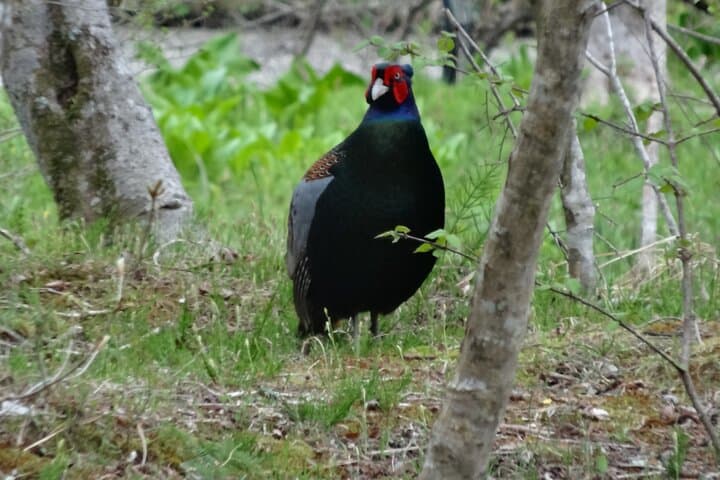
Expect a program that balances close observation with easy walking: a substantial portion in the Hakone Botanical Garden of Wetlands (admission included), time among Sengokuhara’s pampas fields, and a concluding trail toward Togendai or the visitor center. Wildlife can be shy—deer and tanuki might appear at the tree line; seasonal blooms or restless insect life color the experience.
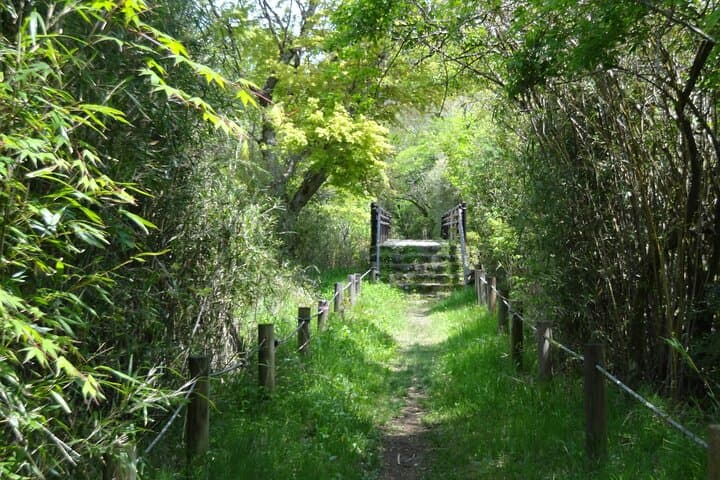
Practical guidance: the route is mostly flat but can include uneven boardwalks and short paved sections; layers are useful for sudden wind or sun. The guide provides binoculars, but bring a small daypack, refillable water bottle and weather protection. Public buses connect the key points—plan arrival from Odawara or Hakone-Yumoto and allow time for regional transit. Stay on marked trails to protect fragile marsh habitat and keep wildlife wild.
easy.
3–3.5 hours.
Suitable for most fitness levels; walking ability and balance on short boardwalks recommended
Admission to the Hakone Botanical Garden of Wetlands is included in the tour price.
Yes—terrain is mostly flat and the tour is designed for mixed ages, but participants should be able to walk for three hours with short pauses.
The route visits the botanical garden, Sengokuhara pampas field and ends near the Hakone Visitor Center or Togendai station; public buses link these points.
Restrooms are available at the garden and visitor center; bring snacks or plan for refreshments at Hakone Visitor Center before or after the walk.
Hakone sits on volcanic ground that influenced trade and travel; it was historically a checkpoint on the Tōkaidō, and its hot springs and caldera geography shaped settlement patterns.
Wetlands here are ecologically fragile—stay on boardwalks, avoid trampling vegetation and don’t feed wildlife to minimize human impact.
Yoshi operates guided outdoor trips and adventures with an emphasis on safety, stewardship, and memorable experiences.
A low, sweet wind pushes through silver pampas grass as the group steps away from the visitor center—binoculars raised, shoes whispering on wooden boardwalk. This guided walk threads gentle trails around Hakone’s wetlands, across open fields and forest edges, offering repeated, wide-lens views: marsh plants brushing ankles, migratory birds quartering the sky, and distant ridgelines shaped by ancient volcanic forces.
A low, sweet wind pushes through silver pampas grass as the group steps away from the visitor center—binoculars raised, shoes whispering on wooden boardwalk. This guided walk threads gentle trails around Hakone’s wetlands, across open fields and forest edges, offering repeated, wide-lens views: marsh plants brushing ankles, migratory birds quartering the sky, and distant ridgelines shaped by ancient volcanic forces.
Hakone’s landscape is written in fire and water. The caldera that created Lake Ashi left a patchwork of wetlands and ridges where endemic marsh species cling to peat and cold springs feed tiny streams. Culturally Hakone was once a check-point on the Tōkaidō route; today its trails carry both local naturalists and international visitors seeking quieter terrain.
Expect a program that balances close observation with easy walking: a substantial portion in the Hakone Botanical Garden of Wetlands (admission included), time among Sengokuhara’s pampas fields, and a concluding trail toward Togendai or the visitor center. Wildlife can be shy—deer and tanuki might appear at the tree line; seasonal blooms or restless insect life color the experience.
Practical guidance: the route is mostly flat but can include uneven boardwalks and short paved sections; layers are useful for sudden wind or sun. The guide provides binoculars, but bring a small daypack, refillable water bottle and weather protection. Public buses connect the key points—plan arrival from Odawara or Hakone-Yumoto and allow time for regional transit. Stay on marked trails to protect fragile marsh habitat and keep wildlife wild.