THE ADVENTURE COLLECTIVE® · Independent discovery and booking for outdoor travel

A gentle 4-hour, 8 km guided walk from Y Linh Ho to Ta Van through Vietnam’s iconic rice terraces. Ideal for seniors and anyone wanting up-close views of Hmong and Giay village life with a family-style lunch.
A gentle 4-hour, 8 km guided walk from Y Linh Ho to Ta Van through Vietnam’s iconic rice terraces. Ideal for seniors and anyone wanting up-close views of Hmong and Giay village life with a family-style lunch.
You step off the van at Y Linh Ho and the valley pulls you forward: terraces curve like steps cut into the mountain, a river threads the bottom, and a hanging bridge sways gently where children cross to school.
Verified experiences and guided adventures in the surrounding area.
Operated by Authentic SAPA · Sapa, Lao Cai
You step off the van at Y Linh Ho and the valley pulls you forward: terraces curve like steps cut into the mountain, a river threads the bottom, and a hanging bridge sways gently where children cross to school.
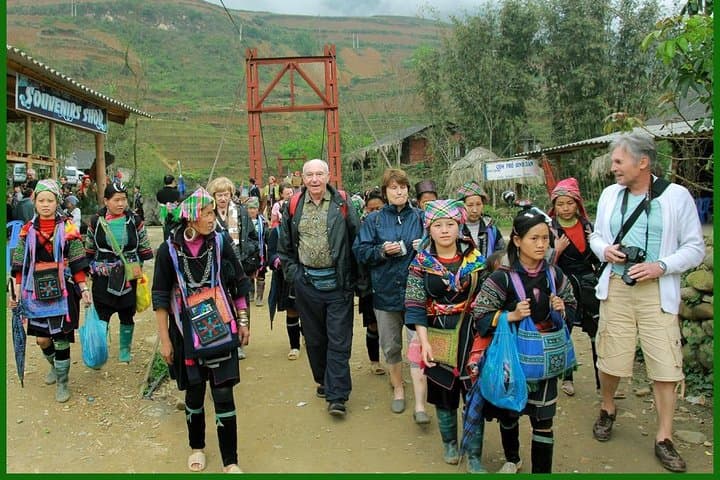
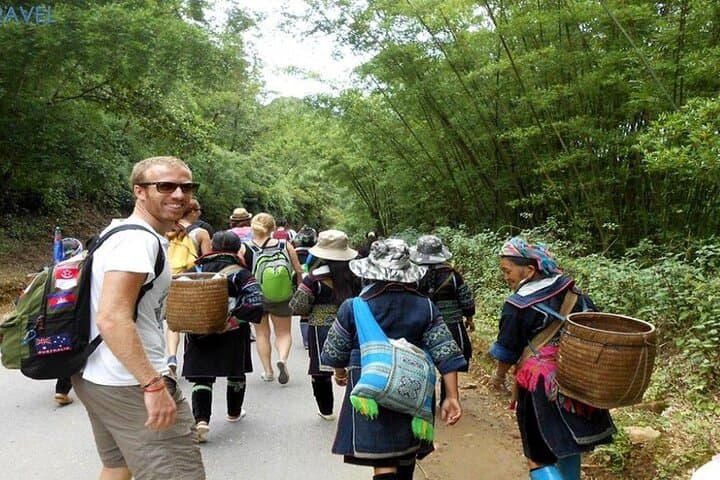
This compact, mostly downhill trek covers roughly 8 km over about four hours, moving from Y Linh Ho through Lao Chai to Ta Van. The route runs along the Muong Hoa valley, carved through glacial action and centuries of hand-built rice engineering. Indigenous Hmong and Giay communities farm these slopes in a rhythm that still follows the seasons; traditional indigo and hemp textiles, and small homestead restaurants, speak to a living cultural landscape.
Geology here is visible in the angle of terraces and the steep faces of the Hoang Lien Son range above; weather changes fast, with mist pooling in the lower valley and sunlight suddenly sliding across paddies. Expect encounters with water buffalo in the fields and birds that patrol the terraces.
Practical guidance: the walk is gentle but on uneven dirt paths and stone steps—sturdy shoes and a light rain layer are essential. Bring cash for small purchases and a camera with spare battery; lunch is typically a family-cooked meal in Lao Chai. Start mid-morning for better light on the terraces and to avoid heavier afternoon showers in the summer.
Respect local customs—ask before photographing people—and keep waste with you: these villages depend on tourism income but have limited waste infrastructure. For seniors and walkers of varied fitness, the private-guide format lets the pace be tailored and questions answered along the way.
easy.
4–5 hours.
Light aerobic fitness; able to walk on uneven ground for several hours at a slow, steady pace
Yes—the route is designed to be gentle and mostly downhill; private guides tailor pace and can shorten segments if needed, but walkers should be comfortable on uneven paths.
Pick-up from hotels in Sapa town is usually included; confirm your exact pick-up point when booking and allow time for a brief driver/guide introduction at departure.
Basic restrooms are available in villages; lunch is typically a family-run restaurant in Lao Chai serving simple local dishes—bring cash for purchases.
Village entrance fees are commonly included by the operator, but small local fees or donations may apply; your guide will clarify on arrival.
The Muong Hoa valley has been farmed for centuries by Hmong and Giay communities; terraced rice cultivation reflects incremental adaptation to steep mountain slopes.
Footpath erosion and litter are local concerns—stay on marked trails, pack out waste, and prioritize locally owned guides and eateries to support sustainable tourism.
Authentic SAPA operates guided outdoor trips and adventures with an emphasis on safety, stewardship, and memorable experiences.
You step off the van at Y Linh Ho and the valley pulls you forward: terraces curve like steps cut into the mountain, a river threads the bottom, and a hanging bridge sways gently where children cross to school.
You step off the van at Y Linh Ho and the valley pulls you forward: terraces curve like steps cut into the mountain, a river threads the bottom, and a hanging bridge sways gently where children cross to school.
This compact, mostly downhill trek covers roughly 8 km over about four hours, moving from Y Linh Ho through Lao Chai to Ta Van. The route runs along the Muong Hoa valley, carved through glacial action and centuries of hand-built rice engineering. Indigenous Hmong and Giay communities farm these slopes in a rhythm that still follows the seasons; traditional indigo and hemp textiles, and small homestead restaurants, speak to a living cultural landscape.
Geology here is visible in the angle of terraces and the steep faces of the Hoang Lien Son range above; weather changes fast, with mist pooling in the lower valley and sunlight suddenly sliding across paddies. Expect encounters with water buffalo in the fields and birds that patrol the terraces.
Practical guidance: the walk is gentle but on uneven dirt paths and stone steps—sturdy shoes and a light rain layer are essential. Bring cash for small purchases and a camera with spare battery; lunch is typically a family-cooked meal in Lao Chai. Start mid-morning for better light on the terraces and to avoid heavier afternoon showers in the summer.
Respect local customs—ask before photographing people—and keep waste with you: these villages depend on tourism income but have limited waste infrastructure. For seniors and walkers of varied fitness, the private-guide format lets the pace be tailored and questions answered along the way.