THE ADVENTURE COLLECTIVE® · Independent discovery and booking for outdoor travel

A short, spirited hike from Thamel to Swayambhunath (Monkey Temple) that pairs cultural depth with panoramic valley views. Ideal for travelers who want an accessible climb, local insight, and close-up encounters with Kathmandu’s most famous stupa.
A short, spirited hike from Thamel to Swayambhunath (Monkey Temple) that pairs cultural depth with panoramic valley views. Ideal for travelers who want an accessible climb, local insight, and close-up encounters with Kathmandu’s most famous stupa.
The walk begins in Thamel’s narrow lanes where motorbikes and prayer flags jostle for space, then eases into a climb that cuts through neighborhood shrines and terraced rooftops. As you rise, Kathmandu unfurls beneath — a patchwork of clay tiles and scent of incense — and the stupa’s gilded dome appears, eyes painted wide, watching the valley.
Verified experiences and guided adventures in the surrounding area.
Operated by Peak to Peak Tours and Treks Pvt Ltd · Kathmandu, Bagmati Province
The walk begins in Thamel’s narrow lanes where motorbikes and prayer flags jostle for space, then eases into a climb that cuts through neighborhood shrines and terraced rooftops. As you rise, Kathmandu unfurls beneath — a patchwork of clay tiles and scent of incense — and the stupa’s gilded dome appears, eyes painted wide, watching the valley.
Swayambhunath (often called Monkey Temple) sits on a low hill that has been a religious focal point for more than a millennium. Geologically the site is an uplifted ridge on the Kathmandu Valley rim; culturally it blends Buddhist and Hindu practices, with prayer wheels and small chaityas ringed by monkeys and Tibetan monasteries.
The route from Thamel is short — roughly 1.5–2.5 km depending on the approach — and includes about 365 stone steps to the main terrace. Terrain is urban and paved, then uneven stone steps; total elevation gain is modest (roughly 100–200 m), making it accessible to most walkers.
Expect close encounters with rhesus macaques, steady views of the inner Himalaya on clear days, and a sensory mix of ringing bells and saffron robes. A local guide clarifies the iconography — the painted eyes, the prayer flags, and the clockwise circuit — and points out quieter corners: small stupas, hidden shrines, and rooftop cafés with views.
Practical note: schedule the hike early morning or late afternoon to avoid heat and crowds, carry water, wear grippy shoes for the stone steps, and keep cameras secured — the monkeys are curious and swift.
easy.
2–3 hours.
Suitable for most travelers who can manage 365 steps and short uphill bursts; minimal endurance required.
Expect 30–60 minutes of walking one-way depending on route and pace; the full guided experience including exploration takes about 2–3 hours.
There are roughly 365 steps; they are stone and can be steep in sections, but the climb is short and doable for most people in reasonable health.
Yes — visitors are welcome but should move respectfully, follow the guide’s lead, and avoid disrupting worshippers or circumambulations.
Monkeys are generally habituated but opportunistic; avoid feeding them, keep items secured, and follow guide instructions to reduce interaction risks.
Swayambhunath is one of Kathmandu’s oldest religious sites, referenced in texts over 1,500 years old and forming part of the Kathmandu Valley World Heritage complex.
Heavy visitation and feeding monkeys strain the site; stick to marked paths, dispose of waste in bins, and use licensed local guides to support responsible tourism.
Peak to Peak Tours and Treks Pvt Ltd operates guided outdoor trips and adventures with an emphasis on safety, stewardship, and memorable experiences.
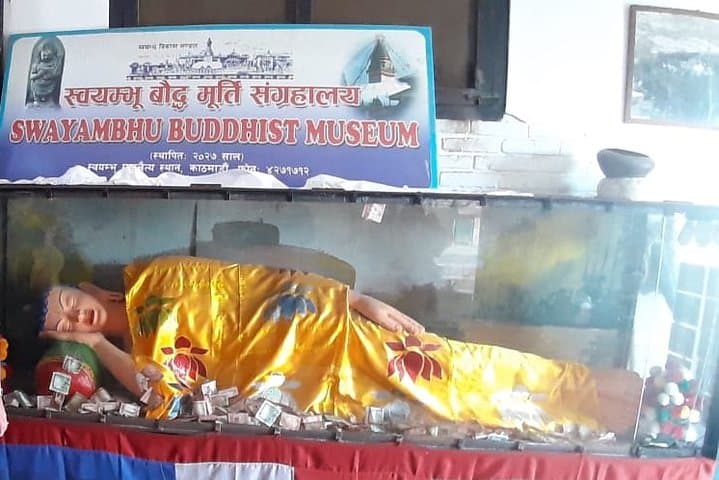
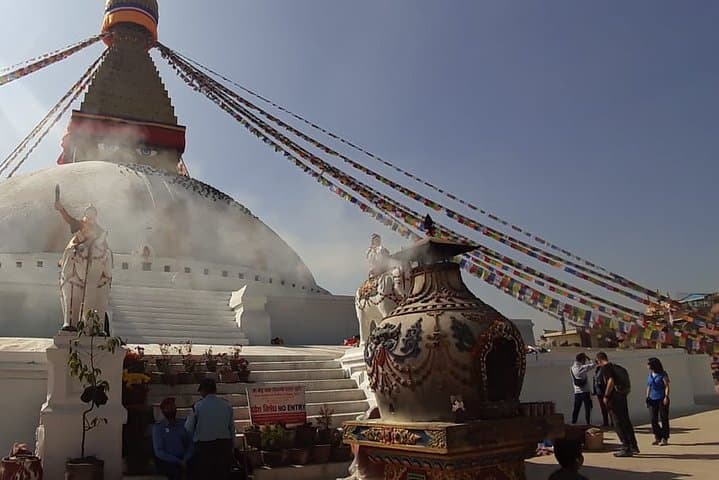
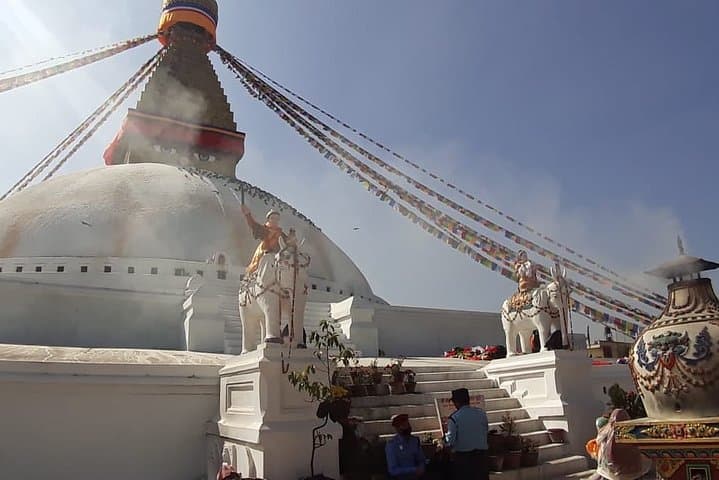
The walk begins in Thamel’s narrow lanes where motorbikes and prayer flags jostle for space, then eases into a climb that cuts through neighborhood shrines and terraced rooftops. As you rise, Kathmandu unfurls beneath — a patchwork of clay tiles and scent of incense — and the stupa’s gilded dome appears, eyes painted wide, watching the valley.
The walk begins in Thamel’s narrow lanes where motorbikes and prayer flags jostle for space, then eases into a climb that cuts through neighborhood shrines and terraced rooftops. As you rise, Kathmandu unfurls beneath — a patchwork of clay tiles and scent of incense — and the stupa’s gilded dome appears, eyes painted wide, watching the valley.
Swayambhunath (often called Monkey Temple) sits on a low hill that has been a religious focal point for more than a millennium. Geologically the site is an uplifted ridge on the Kathmandu Valley rim; culturally it blends Buddhist and Hindu practices, with prayer wheels and small chaityas ringed by monkeys and Tibetan monasteries.
The route from Thamel is short — roughly 1.5–2.5 km depending on the approach — and includes about 365 stone steps to the main terrace. Terrain is urban and paved, then uneven stone steps; total elevation gain is modest (roughly 100–200 m), making it accessible to most walkers.
Expect close encounters with rhesus macaques, steady views of the inner Himalaya on clear days, and a sensory mix of ringing bells and saffron robes. A local guide clarifies the iconography — the painted eyes, the prayer flags, and the clockwise circuit — and points out quieter corners: small stupas, hidden shrines, and rooftop cafés with views.
Practical note: schedule the hike early morning or late afternoon to avoid heat and crowds, carry water, wear grippy shoes for the stone steps, and keep cameras secured — the monkeys are curious and swift.