THE ADVENTURE COLLECTIVE® · Independent discovery and booking for outdoor travel

Walk ancient mule tracks and carved stairs between Meteora’s soaring sandstone pillars. This accessible, family-friendly hike combines geological drama with Byzantine history and monastery views.
Walk ancient mule tracks and carved stairs between Meteora’s soaring sandstone pillars. This accessible, family-friendly hike combines geological drama with Byzantine history and monastery views.
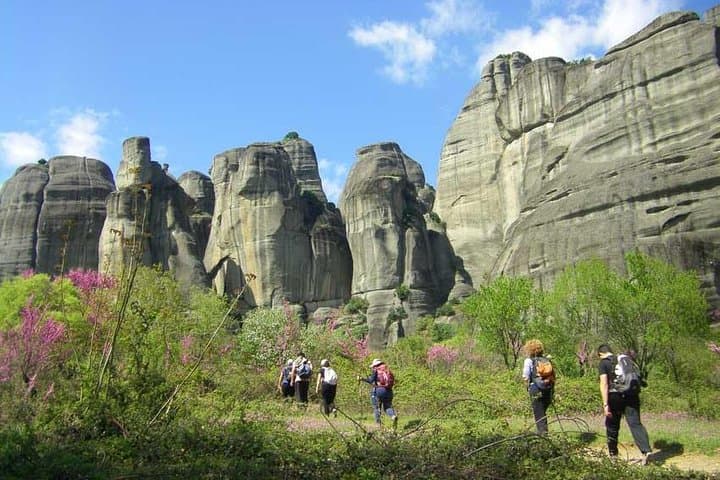
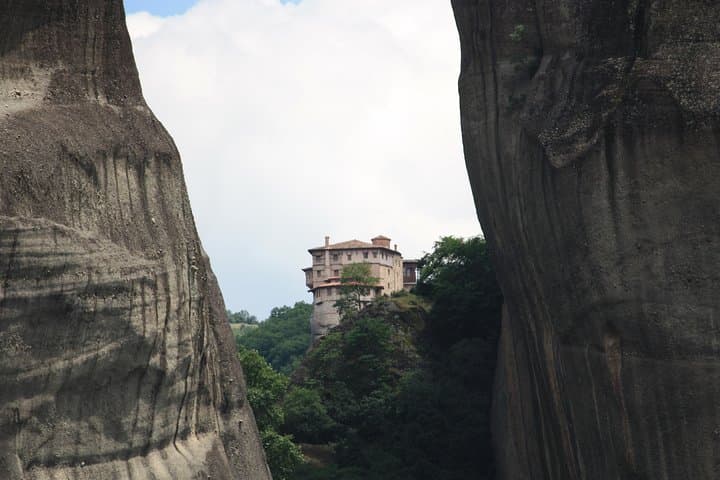
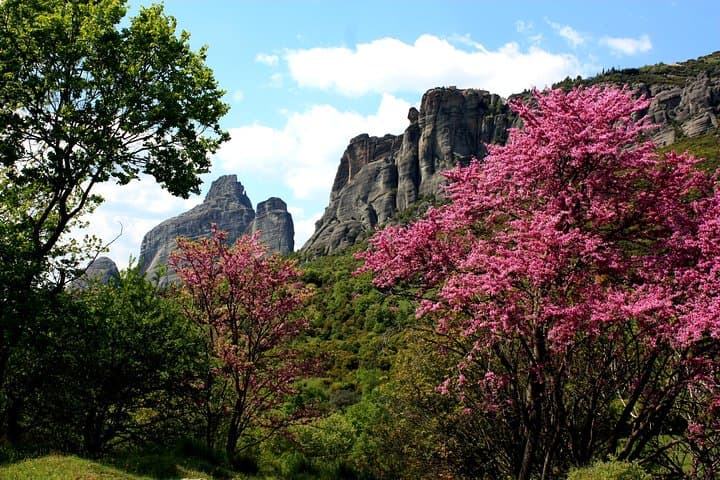
You step off the minivan into a wind-etched world of vertical stone—towers of weathered sandstone rising like island cliffs above a patchwork of olive groves and red-tiled villages. The air smells of dust and thyme; the sound is footsteps on carved rock and distant bells from the monasteries perched on cliff crowns.
Verified experiences and guided adventures in the surrounding area.
Operated by Meteora Rocks · Kalabaka, Thessaly
You step off the minivan into a wind-etched world of vertical stone—towers of weathered sandstone rising like island cliffs above a patchwork of olive groves and red-tiled villages. The air smells of dust and thyme; the sound is footsteps on carved rock and distant bells from the monasteries perched on cliff crowns.
Geology here is visible history: soft conglomerate and sandstone formed by river deposits 60 million years ago, then uplifted and sculpted by rain and frost into the pillars you walk between. Human history has matched that solitude—hermits and Byzantine monks hollowed caves and carved steps into these spires in the 11th–16th centuries, building monasteries that clung to small ledges. Local culture reflects a monastic rhythm; dress codes and quiet respect remain part of any visit.
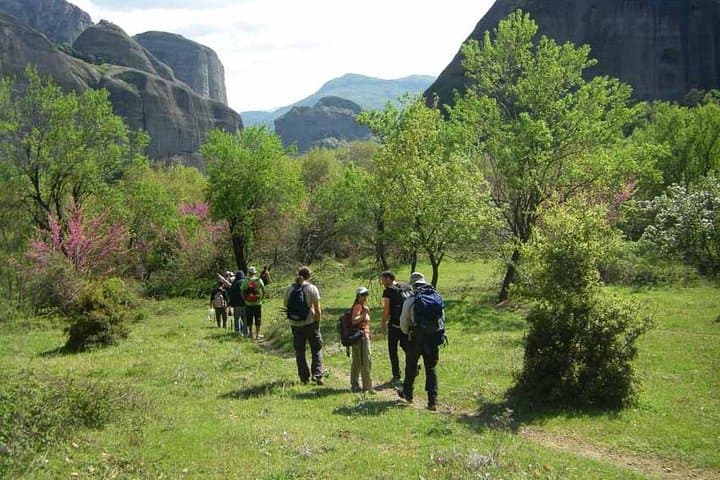
The route follows ancient mule tracks and human-made stairs—some carved, some wooden—passing chapels like Ypapanti and viewpoints with panoramic views of Kalabaka and the Thessalian plain. Expect varied footing: compacted dirt, stone steps, and narrow ledges with low handrails.
Practical edge: this is an easy, family-suitable hike but bring layered clothing for wind exposure, sturdy shoes with grip, and sun protection. Water and a light lunch are important—there are no guaranteed services on the trail. Respect monastery opening hours and dress rules; guides will handle access and local context. The hike is short (about 4 hours total), low elevation gain, high on scenery—an accessible way to meet Meteora's dramatic geology and quiet cultural landscape.
easy.
4 hours.
Suitable for families and casual walkers with basic stamina; able to manage stone steps and short ascents.
The tour runs about four hours total and is rated easy—short ascents and stone steps but no technical climbing.
Yes—the route is family-friendly, though those with mobility issues should note carved steps and some narrow sections.
Yes—men should avoid sleeveless shirts and shorts above the knee; women must wear skirts or trousers that meet the monastery’s modesty rules.
Pick-up and drop-off from hotels in Kalabaka and Kastraki are included; the tour uses an air-conditioned vehicle with onboard Wi‑Fi.
Meteora's monasteries were established between the 11th and 16th centuries by monks seeking solitude; many pathways are original access routes carved into rock.
The sandstone formations are fragile—stay on marked paths, avoid removing rock or vegetation, and follow monastery rules to reduce cultural and ecological impact.
Meteora Rocks operates guided outdoor trips and adventures with an emphasis on safety, stewardship, and memorable experiences.
You step off the minivan into a wind-etched world of vertical stone—towers of weathered sandstone rising like island cliffs above a patchwork of olive groves and red-tiled villages. The air smells of dust and thyme; the sound is footsteps on carved rock and distant bells from the monasteries perched on cliff crowns.
You step off the minivan into a wind-etched world of vertical stone—towers of weathered sandstone rising like island cliffs above a patchwork of olive groves and red-tiled villages. The air smells of dust and thyme; the sound is footsteps on carved rock and distant bells from the monasteries perched on cliff crowns.
Geology here is visible history: soft conglomerate and sandstone formed by river deposits 60 million years ago, then uplifted and sculpted by rain and frost into the pillars you walk between. Human history has matched that solitude—hermits and Byzantine monks hollowed caves and carved steps into these spires in the 11th–16th centuries, building monasteries that clung to small ledges. Local culture reflects a monastic rhythm; dress codes and quiet respect remain part of any visit.
The route follows ancient mule tracks and human-made stairs—some carved, some wooden—passing chapels like Ypapanti and viewpoints with panoramic views of Kalabaka and the Thessalian plain. Expect varied footing: compacted dirt, stone steps, and narrow ledges with low handrails.
Practical edge: this is an easy, family-suitable hike but bring layered clothing for wind exposure, sturdy shoes with grip, and sun protection. Water and a light lunch are important—there are no guaranteed services on the trail. Respect monastery opening hours and dress rules; guides will handle access and local context. The hike is short (about 4 hours total), low elevation gain, high on scenery—an accessible way to meet Meteora's dramatic geology and quiet cultural landscape.