THE ADVENTURE COLLECTIVE® · Independent discovery and booking for outdoor travel

Follow the life of Košice-born artist Ľudovít Feld across synagogues, Judaica collections, and UNESCO-listed sites in an 8–12 hour day tour through eastern Slovakia. This route pairs intimate museum visits with accessible walking through Prešov and Bardejov’s historic quarters.
Follow the life of Košice-born artist Ľudovít Feld across synagogues, Judaica collections, and UNESCO-listed sites in an 8–12 hour day tour through eastern Slovakia. This route pairs intimate museum visits with accessible walking through Prešov and Bardejov’s historic quarters.
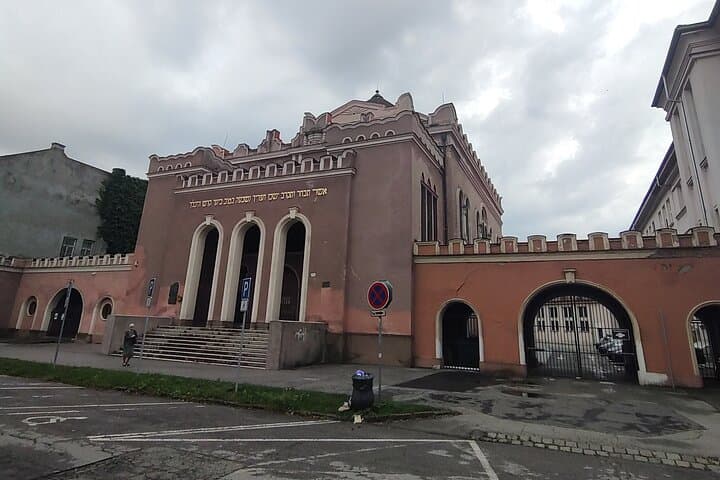
You step off the minivan into Košice’s broad streetlight and the first thing that hits you is the weight of place: stone facades, a working synagogue from 1927, and a quiet cultural center that keeps one artist’s survival visible.
Verified experiences and guided adventures in the surrounding area.
Operated by Tokaj wine tours in Slovakia and Hungary · Košice, Košice Region
You step off the minivan into Košice’s broad streetlight and the first thing that hits you is the weight of place: stone facades, a working synagogue from 1927, and a quiet cultural center that keeps one artist’s survival visible.
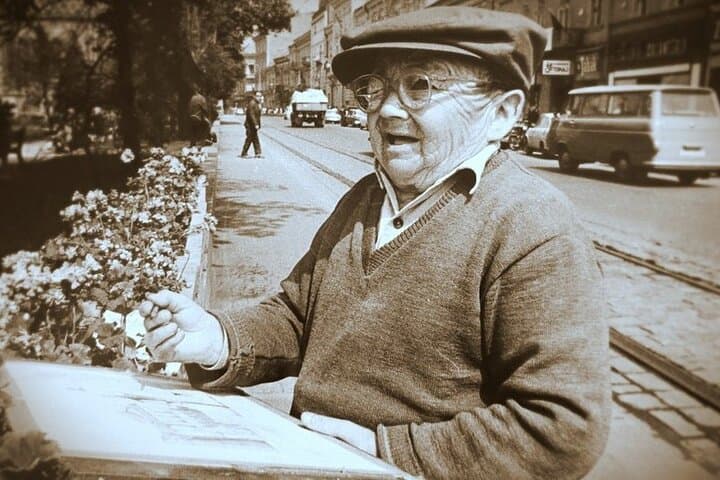
This full-day route follows the life and work of Ľudovít Feld, a Košice-born painter whose story threads the program—his sketches and paintings at the local cultural center open a personal window onto the Holocaust before the tour spreads north to Prešov and Bardejov.
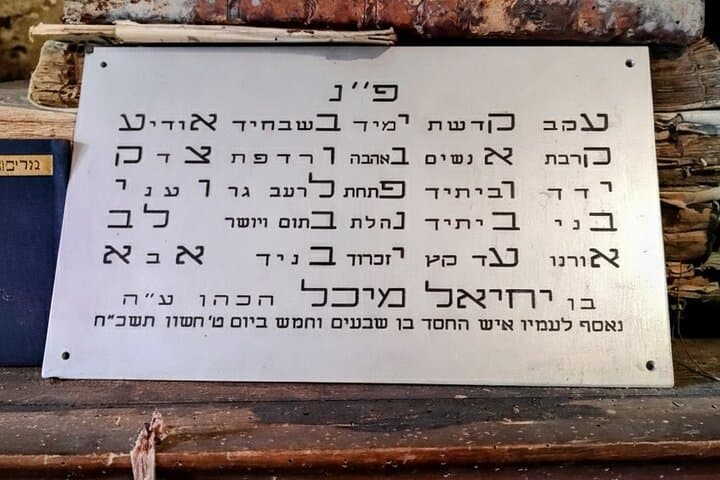
Prešov was once called the “Jerusalem of Slovakia”; its 1898 synagogue and the Barkany Judaica Collection give material context to a community that shaped city life. Bardejov’s Jewish Suburbia, outside the medieval walls, and the Bikur Cholim Synagogue illustrate local patterns of settlement, religious practice, and commerce that survived centuries and were later shattered.
Geology here is gentle—rolling Carpathian foothills and lowland valleys—so travel is by road and walking is on paved streets and preserved courtyards rather than rugged trails.
Expect museum-standard exhibits, memorial gardens listing names, and compact historic centers where short walks connect sites. Sabinov’s cinematic monument to The Shop on Main Street provides a modern artistic footnote.
Practical guidance: bring comfortable shoes for uneven cobbles, a light rain layer, and time for reflection—sites can be emotionally intense. Photography rules can vary in synagogues and collections; follow guides’ instructions. The day runs 8–12 hours with several short drives; public transport exists but a private vehicle makes the itinerary efficient.
This tour pairs cultural concentration with straightforward logistics—ideal for travelers wanting focused history and tangible connections to Jewish life in eastern Slovakia.
easy.
8–12 hours.
Suitable for most fitness levels; involves multiple short walks on paved surfaces and limited standing in museums.
The tour runs about 8–12 hours with three main driving segments: Košice to Prešov (~45 minutes), Prešov to Bardejov (~60 minutes), and back to Košice (~60 minutes including an optional stop in Sabinov).
Entrance fees to synagogues and selected collections are included in the tour price per the itinerary details.
The tour is labeled physically easy and mostly involves paved urban walks; however, cobblestones and some steps may be present—contact the operator about specific accessibility needs.
Yes—there’s a scheduled lunch break in Prešov and additional short stops; the guide will plan restroom breaks during driving segments as needed.
Eastern Slovakia’s Jewish communities were integral to urban life from the medieval period through the 19th century; many synagogues and communal structures reflect Austro-Hungarian-era architecture and 20th-century upheaval.
Many sites are preserved through local cultural foundations and UNESCO protections; visitors are encouraged to follow site rules, avoid touching artifacts, and support local preservation efforts.
Tokaj wine tours in Slovakia and Hungary operates guided outdoor trips and adventures with an emphasis on safety, stewardship, and memorable experiences.
You step off the minivan into Košice’s broad streetlight and the first thing that hits you is the weight of place: stone facades, a working synagogue from 1927, and a quiet cultural center that keeps one artist’s survival visible.
You step off the minivan into Košice’s broad streetlight and the first thing that hits you is the weight of place: stone facades, a working synagogue from 1927, and a quiet cultural center that keeps one artist’s survival visible.
This full-day route follows the life and work of Ľudovít Feld, a Košice-born painter whose story threads the program—his sketches and paintings at the local cultural center open a personal window onto the Holocaust before the tour spreads north to Prešov and Bardejov.
Prešov was once called the “Jerusalem of Slovakia”; its 1898 synagogue and the Barkany Judaica Collection give material context to a community that shaped city life. Bardejov’s Jewish Suburbia, outside the medieval walls, and the Bikur Cholim Synagogue illustrate local patterns of settlement, religious practice, and commerce that survived centuries and were later shattered.
Geology here is gentle—rolling Carpathian foothills and lowland valleys—so travel is by road and walking is on paved streets and preserved courtyards rather than rugged trails.
Expect museum-standard exhibits, memorial gardens listing names, and compact historic centers where short walks connect sites. Sabinov’s cinematic monument to The Shop on Main Street provides a modern artistic footnote.
Practical guidance: bring comfortable shoes for uneven cobbles, a light rain layer, and time for reflection—sites can be emotionally intense. Photography rules can vary in synagogues and collections; follow guides’ instructions. The day runs 8–12 hours with several short drives; public transport exists but a private vehicle makes the itinerary efficient.
This tour pairs cultural concentration with straightforward logistics—ideal for travelers wanting focused history and tangible connections to Jewish life in eastern Slovakia.