
Eastern Jeju Private Tour with Tangerine Picking and Seongsan Sunrise Peak
Drive east across Jeju’s black lava fields to temples, a preserved folk village, and Seongsan Ilchulbong before harvesting tangerines. This private, all-inclusive day tour blends geology, culture and hands-on farming on a nine-to-ten-hour loop.
An Adventure In Seogwipo.
Drive east across Jeju’s black lava fields to temples, a preserved folk village, and Seongsan Ilchulbong before harvesting tangerines. This private, all-inclusive day tour blends geology, culture and hands-on farming on a nine-to-ten-hour loop.
Read the full experience
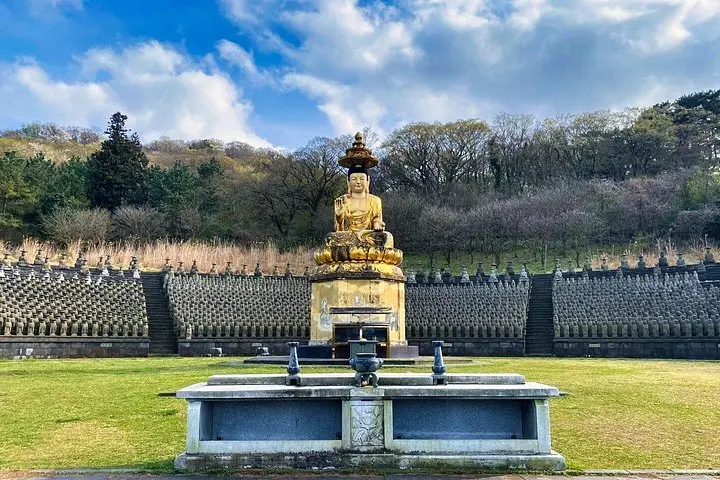
A salt-tinged breeze pushes across the car window as you drive east from Jeju Airport, citrus groves flashing orange against black volcanic rock. The day opens at Gwaneumsa Temple—quiet stone courtyards and a slow ritual pace—before the route threads through thatched roofs at Seongeup Folk Village and spills onto the volcanic slopes of Seongsan Ilchulbong.
A salt-tinged breeze pushes across the car window as you drive east from Jeju Airport, citrus groves flashing orange against black volcanic rock. The day opens at Gwaneumsa Temple—quiet stone courtyards and a slow ritual pace—before the route threads through thatched roofs at Seongeup Folk Village and spills onto the volcanic slopes of Seongsan Ilchulbong.
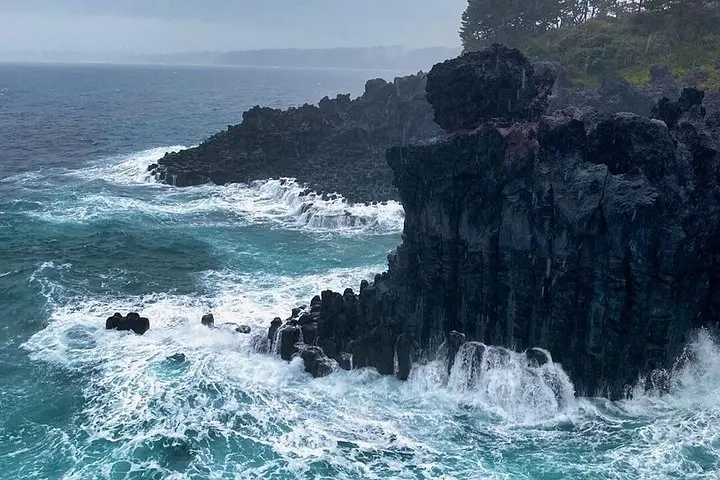
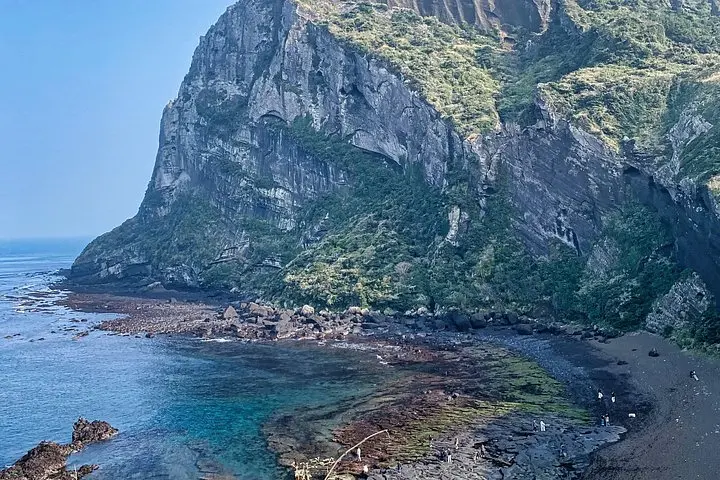
Jeju’s story is geological as much as cultural. Seongsan Ilchulbong (Sunrise Peak) is a tuff cone formed by hydrovolcanic eruptions about 5,000 years ago; its rim rises roughly 180 meters and rewards hikers with a 20–40 minute ascent and broad ocean panoramas. Seongeup preserves Jeju’s traditional homes built from basalt and packed earth, offering a window into island life that persisted long after the mainland modernized. The Jeju World Natural Heritage Center ties the sites together with exhibits on lava flows, lava tubes and coastal ecology.
Practicalities: the private, all-inclusive tour runs about 9–10 hours, meeting point at Jeju Airport (Gate 3, 1st floor). The itinerary includes transport in an air-conditioned vehicle, lunch, bottled water and basic entrance fees; tangerine picking is seasonal (peak November–February). Expect paved trails, some stair climbs at Seongsan, and short walks between village streets and exhibits.
Bring sun protection and layered clothing for coastal wind, wear sturdy walking shoes for uneven basalt paths, and carry a small daypack for purchases and snacks. Timing matters: sunrise at Seongsan is spectacular but requires an early start; if you prefer daylight touring, mid-morning light also brings clear views and calmer crowds.
Frequently asked questions
Tangerine picking is included in season (typically November–February); outside those months the operator may offer other fruit-picking or a comparable local experience.
The tour meets and finishes at Jeju Airport (Gate 3, 1st floor), making it convenient for arrivals and departures.
Yes—this all-inclusive private tour covers lunch, bottled water, basic entrance fees and transportation in an air-conditioned vehicle.
Yes—guides tailor the route to requests, swapping in cafes, beaches or additional stops based on time and preferences.
About This Experience
dingdongtour operates guided outdoor trips and adventures with an emphasis on safety, stewardship, and memorable experiences.
Adventure tips
Recommended gear
- Sturdy walking shoes: Grip and ankle support for basalt paths and the Seongsan ascent.
- Light wind/rain jacket: Coastal winds and quick weather shifts make a layer useful year-round.
- Sun protection (hat, SPF): Open ridgelines and seaside exposure demand reliable sun protection.
- Small daypack: Carries water, purchases, and extra layers without burdening the group vehicle.
Photos of the experience
Related adventures & guides
Read the full experience
A salt-tinged breeze pushes across the car window as you drive east from Jeju Airport, citrus groves flashing orange against black volcanic rock. The day opens at Gwaneumsa Temple—quiet stone courtyards and a slow ritual pace—before the route threads through thatched roofs at Seongeup Folk Village and spills onto the volcanic slopes of Seongsan Ilchulbong.
A salt-tinged breeze pushes across the car window as you drive east from Jeju Airport, citrus groves flashing orange against black volcanic rock. The day opens at Gwaneumsa Temple—quiet stone courtyards and a slow ritual pace—before the route threads through thatched roofs at Seongeup Folk Village and spills onto the volcanic slopes of Seongsan Ilchulbong.
Jeju’s story is geological as much as cultural. Seongsan Ilchulbong (Sunrise Peak) is a tuff cone formed by hydrovolcanic eruptions about 5,000 years ago; its rim rises roughly 180 meters and rewards hikers with a 20–40 minute ascent and broad ocean panoramas. Seongeup preserves Jeju’s traditional homes built from basalt and packed earth, offering a window into island life that persisted long after the mainland modernized. The Jeju World Natural Heritage Center ties the sites together with exhibits on lava flows, lava tubes and coastal ecology.
Practicalities: the private, all-inclusive tour runs about 9–10 hours, meeting point at Jeju Airport (Gate 3, 1st floor). The itinerary includes transport in an air-conditioned vehicle, lunch, bottled water and basic entrance fees; tangerine picking is seasonal (peak November–February). Expect paved trails, some stair climbs at Seongsan, and short walks between village streets and exhibits.
Bring sun protection and layered clothing for coastal wind, wear sturdy walking shoes for uneven basalt paths, and carry a small daypack for purchases and snacks. Timing matters: sunrise at Seongsan is spectacular but requires an early start; if you prefer daylight touring, mid-morning light also brings clear views and calmer crowds.
Make a day of it nearby.
Verified experiences and guided adventures in the surrounding area.