THE ADVENTURE COLLECTIVE® · Independent discovery and booking for outdoor travel

Trace the eastern edge of the Himalaya on a seven-day loop from Darjeeling to Kalimpong, combining sunrise peaks, hill-station tea estates, and centuries-old monasteries. Practical route notes and seasonal tips help you plan early-morning views and relaxed cultural walks.
Trace the eastern edge of the Himalaya on a seven-day loop from Darjeeling to Kalimpong, combining sunrise peaks, hill-station tea estates, and centuries-old monasteries. Practical route notes and seasonal tips help you plan early-morning views and relaxed cultural walks.
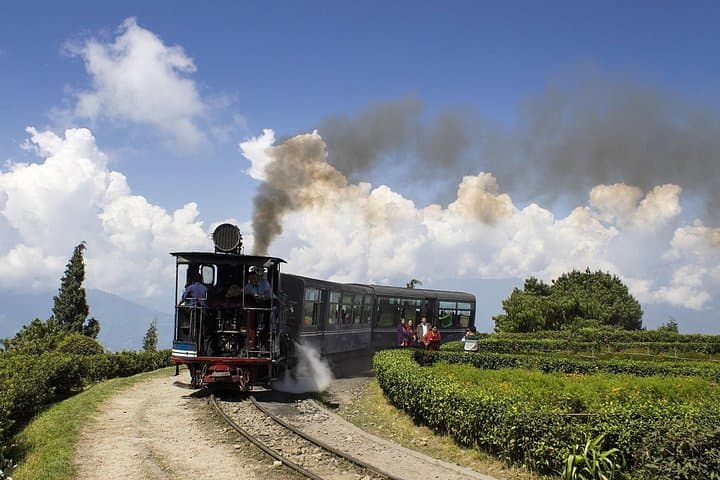
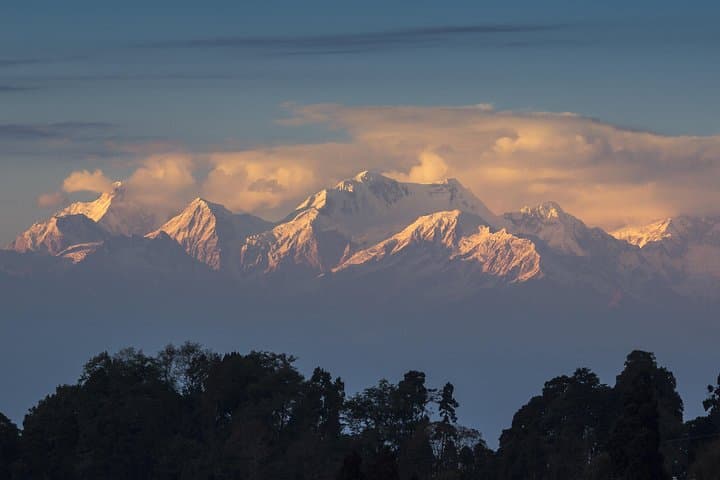
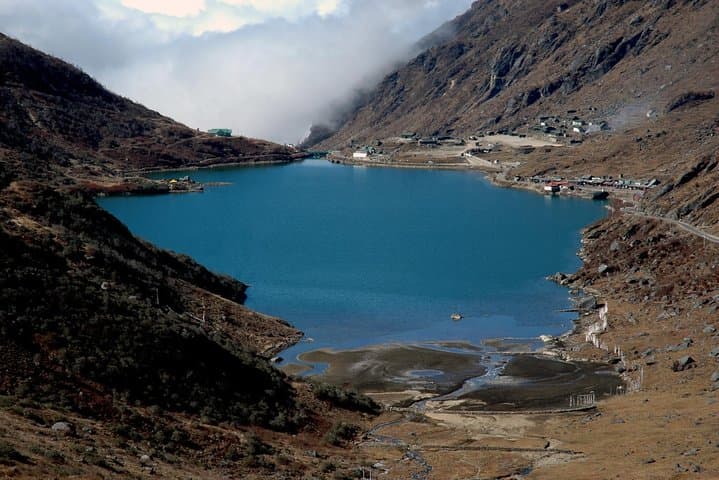
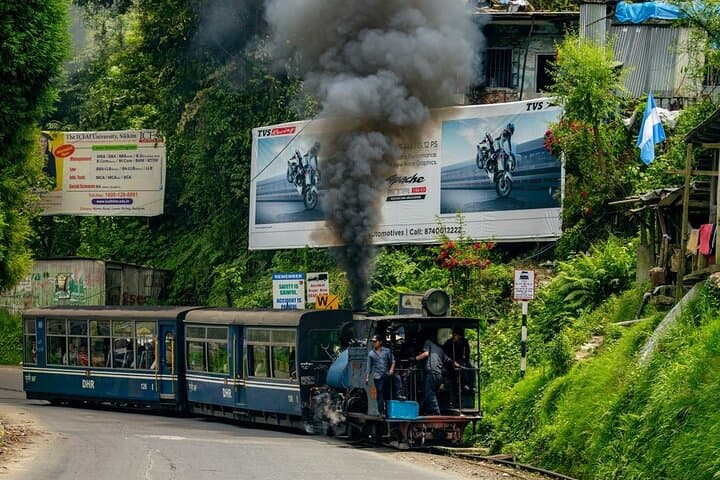
A pale, Himalayan dawn spills over ridgelines as your driver threads switchbacks toward Tiger Hill; steam from a roadside tea stall fogs the air and distant peaks hold their cold vigil. This seven-day circuit moves like a measured conversation between landscapes — colonial Darjeeling’s toy train whistles past tea terraces, Pelling’s monasteries perch on wind-swept slopes, Gangtok hums with market life beneath snow-clad summits, and Kalimpong spreads quiet gardens and missionary-era buildings across a gentle ridge.
Verified experiences and guided adventures in the surrounding area.
Operated by Agora Voyages Pvt. Ltd. · Darjeeling, West Bengal
A pale, Himalayan dawn spills over ridgelines as your driver threads switchbacks toward Tiger Hill; steam from a roadside tea stall fogs the air and distant peaks hold their cold vigil. This seven-day circuit moves like a measured conversation between landscapes — colonial Darjeeling’s toy train whistles past tea terraces, Pelling’s monasteries perch on wind-swept slopes, Gangtok hums with market life beneath snow-clad summits, and Kalimpong spreads quiet gardens and missionary-era buildings across a gentle ridge.
Geologically, the route follows young, uplifted Himalayan folds: slate and quartzite outcrops, terraced soils, and rivers that cut sharp gorges. Culturally the region is Tibetan-Bhutanese-Sikkimese; monasteries such as Pemayangtse and Rumtek trace tantric and Gelugpa traditions, while Darjeeling’s tea estates record colonial-era agricultural change.
Travelers should expect early mornings for key vistas, short cultural walks, and several hours driving between towns (60–120 km segments). Elevations range from Bagdogra’s low plains (~100 m) to viewpoints above 2,200 m; altitude is moderate but mornings can be cold and thin. Roads are mountain-grade — winding with occasional potholes — and the toy train requires advance planning for seats.
Practical guidance: pack layered clothing for wide temperature swings, carry water and sunscreen, and plan for occasional delays on narrow passes. Respect monastery protocols — remove hats and shoes where requested — and leave no trace at fragile viewpoints. This itinerary balances scenic viewpoints, cultural visits, and manageable walking, offering a clear, immersive path through the eastern Himalayan foothills.
easy.
7 days.
Suitable for travelers in average fitness—daily activity includes short walks, stairs at monasteries, and several hours of car travel.
Late September to November (post-monsoon) and March–April offer the clearest skies and stable weather for panoramic views.
Most stops are below 2,500 m and risk is low; however, take it easy on arrival days and hydrate—those prone to altitude symptoms should consult a doctor.
Yes—seats on the Darjeeling Himalayan Railway are limited and popular; book in advance where possible to secure a preferred time.
Typical drives range 2–4 hours (60–120 km) on mountain roads; schedule allows for scenic stops but allow extra time for traffic and weather delays.
The circuit reflects colonial-era hill-station development and centuries of Tibetan Buddhist influence; Rabdentse and Pemayangtse recall Sikkim’s former royal capitals and monastic history.
Steady tourist growth strains fragile hill ecosystems—stick to marked paths, avoid single-use plastics, and support local guides to keep revenue in the community.
Agora Voyages Pvt. Ltd. operates guided outdoor trips and adventures with an emphasis on safety, stewardship, and memorable experiences.
A pale, Himalayan dawn spills over ridgelines as your driver threads switchbacks toward Tiger Hill; steam from a roadside tea stall fogs the air and distant peaks hold their cold vigil. This seven-day circuit moves like a measured conversation between landscapes — colonial Darjeeling’s toy train whistles past tea terraces, Pelling’s monasteries perch on wind-swept slopes, Gangtok hums with market life beneath snow-clad summits, and Kalimpong spreads quiet gardens and missionary-era buildings across a gentle ridge.
A pale, Himalayan dawn spills over ridgelines as your driver threads switchbacks toward Tiger Hill; steam from a roadside tea stall fogs the air and distant peaks hold their cold vigil. This seven-day circuit moves like a measured conversation between landscapes — colonial Darjeeling’s toy train whistles past tea terraces, Pelling’s monasteries perch on wind-swept slopes, Gangtok hums with market life beneath snow-clad summits, and Kalimpong spreads quiet gardens and missionary-era buildings across a gentle ridge.
Geologically, the route follows young, uplifted Himalayan folds: slate and quartzite outcrops, terraced soils, and rivers that cut sharp gorges. Culturally the region is Tibetan-Bhutanese-Sikkimese; monasteries such as Pemayangtse and Rumtek trace tantric and Gelugpa traditions, while Darjeeling’s tea estates record colonial-era agricultural change.
Travelers should expect early mornings for key vistas, short cultural walks, and several hours driving between towns (60–120 km segments). Elevations range from Bagdogra’s low plains (~100 m) to viewpoints above 2,200 m; altitude is moderate but mornings can be cold and thin. Roads are mountain-grade — winding with occasional potholes — and the toy train requires advance planning for seats.
Practical guidance: pack layered clothing for wide temperature swings, carry water and sunscreen, and plan for occasional delays on narrow passes. Respect monastery protocols — remove hats and shoes where requested — and leave no trace at fragile viewpoints. This itinerary balances scenic viewpoints, cultural visits, and manageable walking, offering a clear, immersive path through the eastern Himalayan foothills.