THE ADVENTURE COLLECTIVE® · Independent discovery and booking for outdoor travel

See eastern Cape aloes erupt in orange and red during the brief winter bloom. This 10‑hour guided tour from Port Elizabeth follows the western rim of Addo, pairing short walks with landscape viewing and local cultural notes.
See eastern Cape aloes erupt in orange and red during the brief winter bloom. This 10‑hour guided tour from Port Elizabeth follows the western rim of Addo, pairing short walks with landscape viewing and local cultural notes.
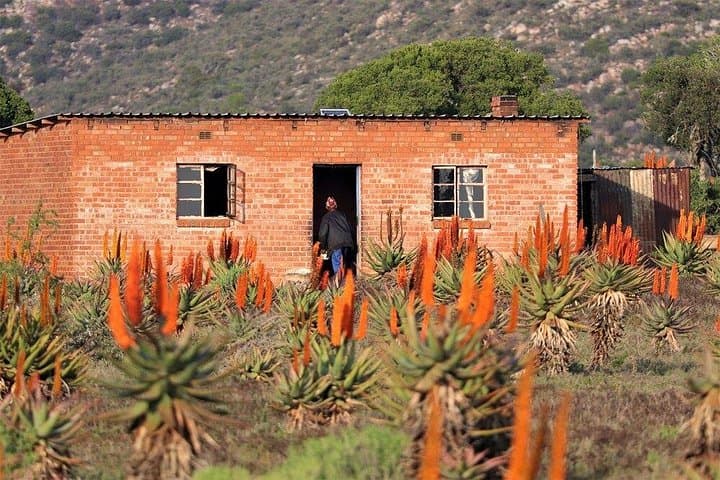
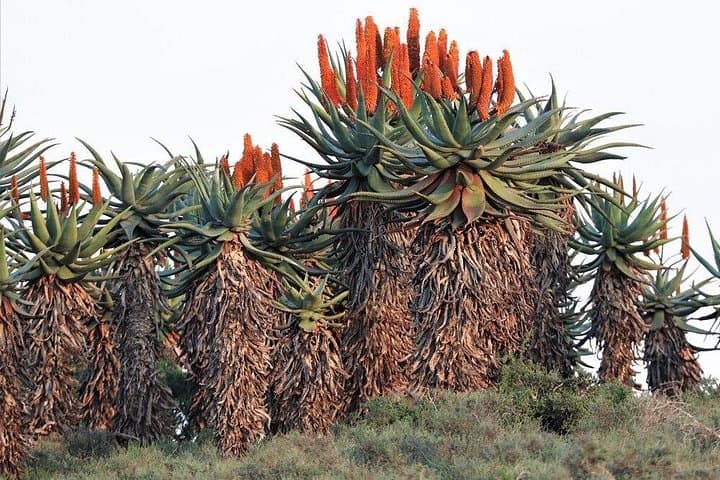
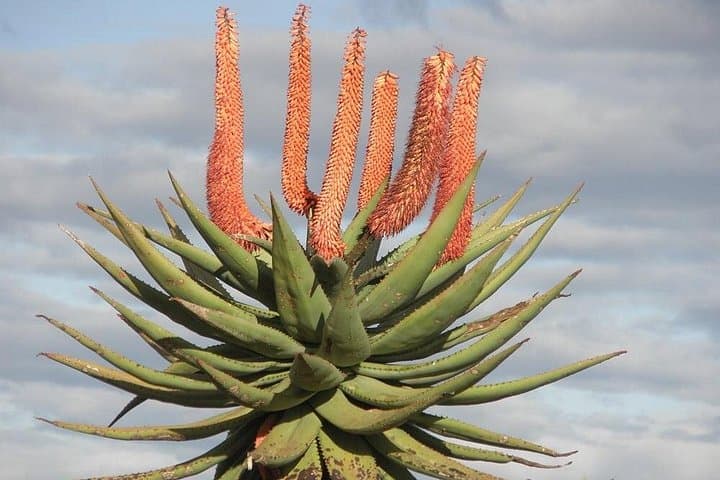
The bus eases out of Port Elizabeth and the road opens into scrub and low karoo slopes; by midmorning the ridgelines glow with bands of orange and red as wild aloes bravely light the winter landscape.
Verified experiences and guided adventures in the surrounding area.
Operated by Alan Tours · Port Elizabeth, Eastern Cape
The bus eases out of Port Elizabeth and the road opens into scrub and low karoo slopes; by midmorning the ridgelines glow with bands of orange and red as wild aloes bravely light the winter landscape.
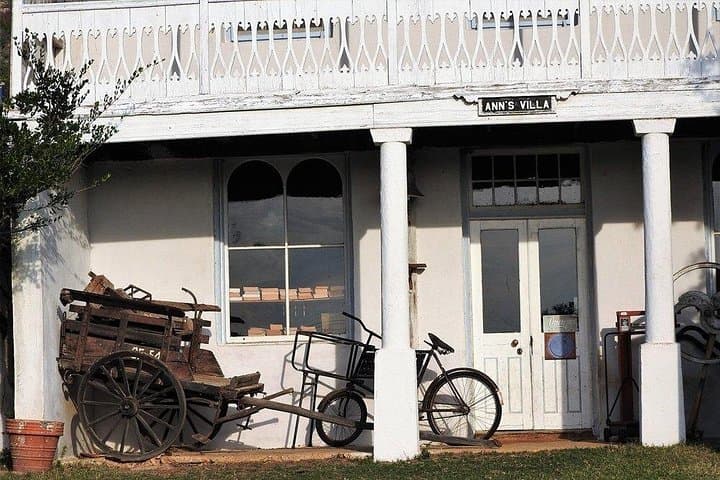
This full-day tour traces the western edge of Addo Elephant National Park and the Sundays River corridor, regions shaped by softer sedimentary geology and seasonal river valleys that concentrate moisture for succulent blooms. Aloes here are not a cultivated bed but a natural display—species adapted to the Eastern Cape’s dry summers and cool, wet winters. Local Xhosa communities and earlier Khoisan inhabitants recognised these plants for medicinal uses and landscape value, and the area’s land-use history is visible in small farmyards and low stone walls along the route.
Expect long, seated transfers in an air-conditioned vehicle punctuated by short walks to viewing points and roadside stands. Guides point out aloe species, explain flowering cycles, and keep the group well spaced from fragile plants. Wildlife can be subtle: birds like sunbirds and the Cape sugarbird hover at blooms while, on the outer roads, Addo’s elephants sometimes appear as distant silhouettes.
Practical notes: the season is late May–July—bring sun protection and a warm layer, comfortable shoes for uneven ground, and a camera with telephoto reach. Hydrate before and during the day; bottled water is provided. The tour is suitable for most fitness levels but involves a long day of travel, so plan for a 10‑hour outing and limited mobile reception in rural stretches.
easy.
10 hours.
Suitable for most fitness levels; requires ability to board a minibus and do short, uneven-ground walks.
The peak season is late May through July; blooms can vary year to year depending on rainfall but this window is when most species display colour.
Yes—single travelers are welcome, but a single-person booking may incur a supplement because a minimum of two people is required.
The tour provides bottled water and transport; confirm food arrangements with the operator—many itineraries stop at local cafes or farm stalls for purchases.
The route follows the western perimeter of Addo Elephant National Park where elephants and other wildlife are possible sightings, though animals are not guaranteed and may be at a distance.
Eastern Cape landscapes reflect colonial farming patterns alongside deep indigenous botanical knowledge; aloes were used historically for remedies by local communities.
Tours emphasize viewing only and staying on tracks; Addo and local conservancies work to protect aloe populations from trampling and overharvest.
Alan Tours operates guided outdoor trips and adventures with an emphasis on safety, stewardship, and memorable experiences.
The bus eases out of Port Elizabeth and the road opens into scrub and low karoo slopes; by midmorning the ridgelines glow with bands of orange and red as wild aloes bravely light the winter landscape.
The bus eases out of Port Elizabeth and the road opens into scrub and low karoo slopes; by midmorning the ridgelines glow with bands of orange and red as wild aloes bravely light the winter landscape.
This full-day tour traces the western edge of Addo Elephant National Park and the Sundays River corridor, regions shaped by softer sedimentary geology and seasonal river valleys that concentrate moisture for succulent blooms. Aloes here are not a cultivated bed but a natural display—species adapted to the Eastern Cape’s dry summers and cool, wet winters. Local Xhosa communities and earlier Khoisan inhabitants recognised these plants for medicinal uses and landscape value, and the area’s land-use history is visible in small farmyards and low stone walls along the route.
Expect long, seated transfers in an air-conditioned vehicle punctuated by short walks to viewing points and roadside stands. Guides point out aloe species, explain flowering cycles, and keep the group well spaced from fragile plants. Wildlife can be subtle: birds like sunbirds and the Cape sugarbird hover at blooms while, on the outer roads, Addo’s elephants sometimes appear as distant silhouettes.
Practical notes: the season is late May–July—bring sun protection and a warm layer, comfortable shoes for uneven ground, and a camera with telephoto reach. Hydrate before and during the day; bottled water is provided. The tour is suitable for most fitness levels but involves a long day of travel, so plan for a 10‑hour outing and limited mobile reception in rural stretches.