THE ADVENTURE COLLECTIVE® · Independent discovery and booking for outdoor travel

A private two-day circuit around Easter Island that links Rano Raraku quarry, Orongo’s Birdman village, Vinapu’s stonework and Anakena beach. Expect volcanic landscapes, restored platforms, and a thorough cultural orientation with practical guidance for visitors.
A private two-day circuit around Easter Island that links Rano Raraku quarry, Orongo’s Birdman village, Vinapu’s stonework and Anakena beach. Expect volcanic landscapes, restored platforms, and a thorough cultural orientation with practical guidance for visitors.
You arrive where the ocean keeps its distance—wide sky, low scrub, and silhouettes of stone heads watching the horizon. On this two-day archaeological circuit around Rapa Nui, the landscape feels deliberate: volcanic plateaus give way to sculpted platforms and quarry faces where unfinished Moai still lie in the open air.
Verified experiences and guided adventures in the surrounding area.
Operated by AROHA TOURS RAPA NUI · Hanga Roa, Valparaíso Region
You arrive where the ocean keeps its distance—wide sky, low scrub, and silhouettes of stone heads watching the horizon. On this two-day archaeological circuit around Rapa Nui, the landscape feels deliberate: volcanic plateaus give way to sculpted platforms and quarry faces where unfinished Moai still lie in the open air.
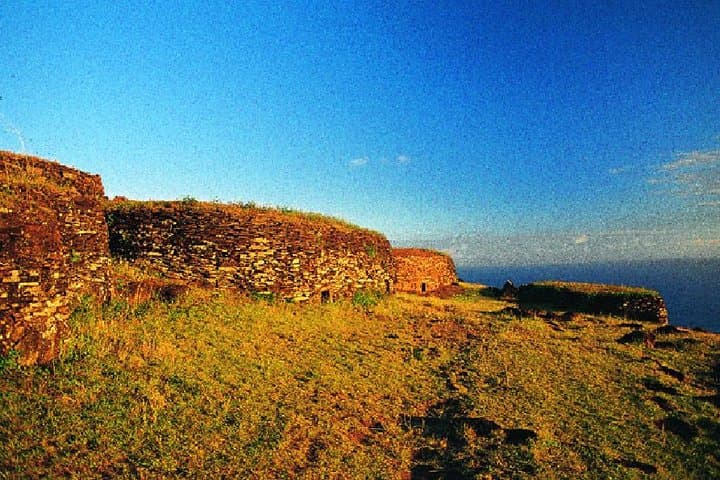
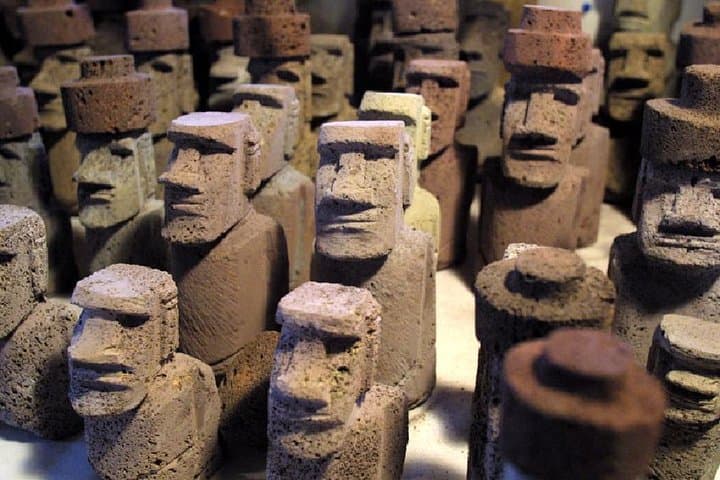
Geology explains the island’s palette—soft volcanic tuff at Rano Raraku, dense basalt at Vinapu, and the red scoria of Puna Pau used for topknots. The sites map a human story from settlement and monument-building to the later Birdman ceremonies at Orongo, where cliff-side villages faced the sea and the annual scramble for the first seabird egg defined power.
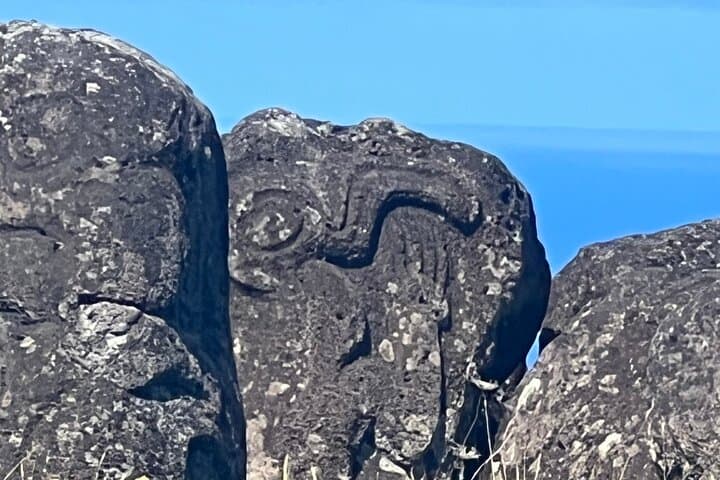
Culturally, guides translate petroglyphs, ahu alignments, and the carved gestures of each Moai into social and astronomical context; visitors learn why platforms face inland or sea, and how the quarry was both workshop and calendar. The white sand of Anakena offers a quieter cadence—palms, restored statues, and a sense of arrival that echoes Polynesian voyaging.
Practically: tours run in private vehicles with 6–7 hour days; a National Park Rapa Nui entrance ticket (approx. USD 80 adults, USD 40 under 17, valid 10 days) is required. Wear layered sun protection and sturdy walking shoes—the ground ranges from soft tuff to sharp lava rock. Bring cash if you ask the guide to buy the ticket in advance. Expect wind, sudden sun, limited facilities at remote ahu, and photography opportunities at sunrise and late afternoon light. Move respectfully around the monuments: don’t climb or touch—the stone preserves the island’s history for everyone.
easy.
2 days (6–7 hours per day).
Light walking between viewpoints; suitable for most fitness levels but requires getting in/out of vehicles and short uneven walks.
You can buy it on arrival at the airport or village; the tour operator can also purchase it for you in cash if you prefer—costs are approximately USD 80 for adults and USD 40 for under-17s (valid 10 days).
The itinerary is easy: most travel is by private vehicle with short walks at sites; participants should be comfortable on uneven ground but no technical hiking is required.
Private guided tours are offered in French, English, or Spanish according to booking specifications.
Facilities are limited at remote ahu and quarry sites; bring water and snacks—Hanga Roa has restaurants and shops before or after excursions.
Rapa Nui’s monumental era centered on quarrying and moving Moai from Rano Raraku across the island and later ceremonial shifts like the Birdman cult at Orongo, reflecting social and environmental changes over centuries.
Sites lie within Parque Nacional Rapa Nui; visitors should stay on paths, avoid touching carvings, and follow guide instructions to minimize erosion and preserve fragile archaeological contexts.
AROHA TOURS RAPA NUI operates guided outdoor trips and adventures with an emphasis on safety, stewardship, and memorable experiences.
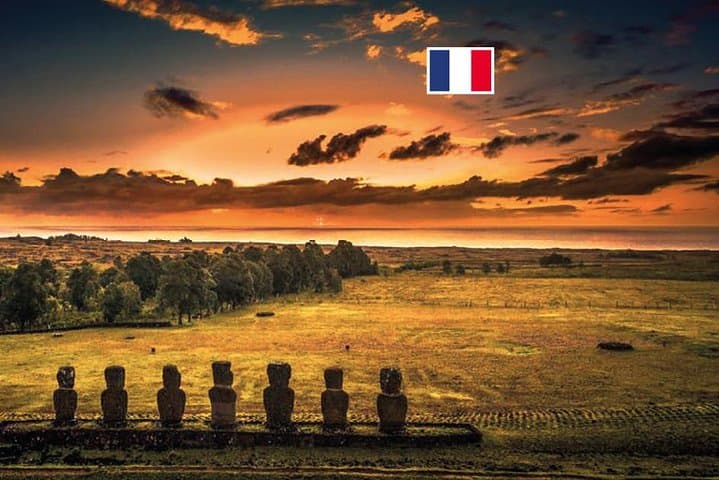
You arrive where the ocean keeps its distance—wide sky, low scrub, and silhouettes of stone heads watching the horizon. On this two-day archaeological circuit around Rapa Nui, the landscape feels deliberate: volcanic plateaus give way to sculpted platforms and quarry faces where unfinished Moai still lie in the open air.
You arrive where the ocean keeps its distance—wide sky, low scrub, and silhouettes of stone heads watching the horizon. On this two-day archaeological circuit around Rapa Nui, the landscape feels deliberate: volcanic plateaus give way to sculpted platforms and quarry faces where unfinished Moai still lie in the open air.
Geology explains the island’s palette—soft volcanic tuff at Rano Raraku, dense basalt at Vinapu, and the red scoria of Puna Pau used for topknots. The sites map a human story from settlement and monument-building to the later Birdman ceremonies at Orongo, where cliff-side villages faced the sea and the annual scramble for the first seabird egg defined power.
Culturally, guides translate petroglyphs, ahu alignments, and the carved gestures of each Moai into social and astronomical context; visitors learn why platforms face inland or sea, and how the quarry was both workshop and calendar. The white sand of Anakena offers a quieter cadence—palms, restored statues, and a sense of arrival that echoes Polynesian voyaging.
Practically: tours run in private vehicles with 6–7 hour days; a National Park Rapa Nui entrance ticket (approx. USD 80 adults, USD 40 under 17, valid 10 days) is required. Wear layered sun protection and sturdy walking shoes—the ground ranges from soft tuff to sharp lava rock. Bring cash if you ask the guide to buy the ticket in advance. Expect wind, sudden sun, limited facilities at remote ahu, and photography opportunities at sunrise and late afternoon light. Move respectfully around the monuments: don’t climb or touch—the stone preserves the island’s history for everyone.