THE ADVENTURE COLLECTIVE® · Independent discovery and booking for outdoor travel

A private full-day tour that threads the island’s south and east coasts, taking you from coastal blowholes to the Rano Raraku quarry and the 15-moai monument at Ahu Tongariki. Optimized for photography and small-group questions, it’s a compact introduction to Rapa Nui’s giant stone legacy.
A private full-day tour that threads the island’s south and east coasts, taking you from coastal blowholes to the Rano Raraku quarry and the 15-moai monument at Ahu Tongariki. Optimized for photography and small-group questions, it’s a compact introduction to Rapa Nui’s giant stone legacy.
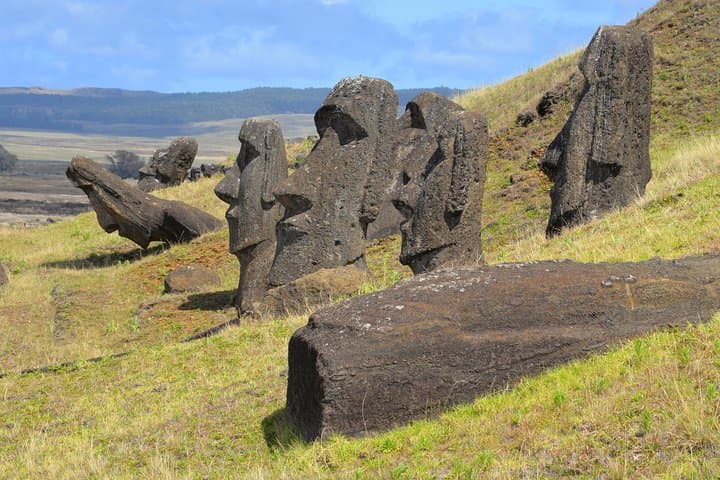
A wind off the South Pacific pushes over low lava ridges as your driver-guide opens the first gate of the day. You step onto compacted volcanic earth and the silhouettes of giant stone heads—moai—rise from the ridgeline, their carved faces catching morning light. The route sweeps from coastal blowholes and carefully fitted stone platforms to the broken but compelling rows of toppled statues that mark old village centers.
Verified experiences and guided adventures in the surrounding area.
Operated by Easter Island Travel · Hanga Roa, Valparaíso Region
A wind off the South Pacific pushes over low lava ridges as your driver-guide opens the first gate of the day. You step onto compacted volcanic earth and the silhouettes of giant stone heads—moai—rise from the ridgeline, their carved faces catching morning light. The route sweeps from coastal blowholes and carefully fitted stone platforms to the broken but compelling rows of toppled statues that mark old village centers.
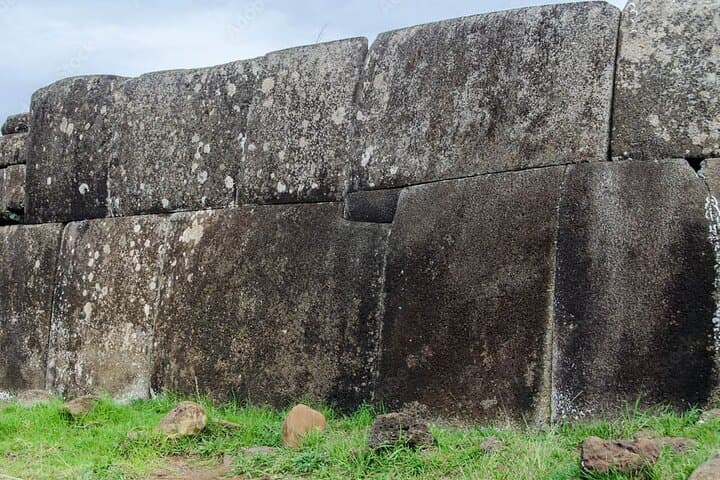
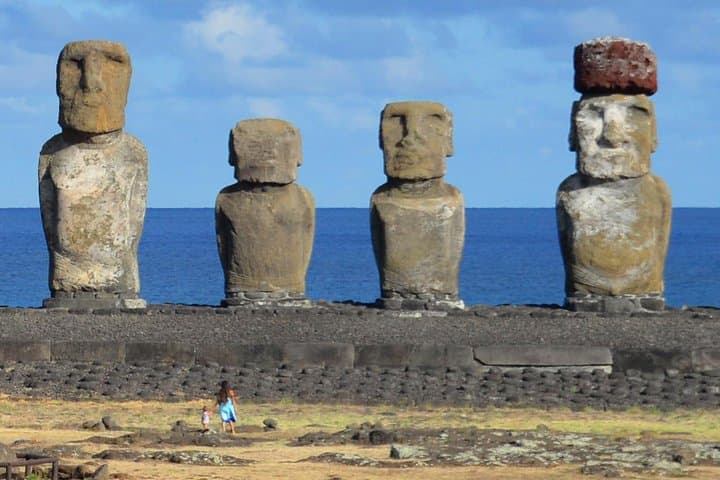
Geologically, the island is a shield volcano of basalt flows; the quarry at Rano Raraku is a volcanic crater where nearly all moai were carved from tuff. Culturally this is Rapa Nui: an island nation with an oral history of chiefs, migration and monumental stonecraft. Sites like Vinapu and Ahu Tahira show masonry so precise some researchers note parallels with Andean stonework; Ahu Tongariki, with its 15 restored moai, is the tour’s dramatic eastern climax.
Practicalities matter: this is a private, approximately 6.5-hour loop with hotel pickup (pick-up window 9:15–9:45). A national park ticket (about USD 80) is required and purchased on arrival—bring the pass every time you visit sites. Terrain is uneven lava and grass; good hiking shoes, a rain shell, layered clothing and sun protection are essential. The guide times stops to optimize light for photography and to avoid crowds; bring water and a light pack so you can move between platforms and short trails easily.
Expect questions, hands-on local stories and a pace that can be adjusted to your interests—from archaeology and legend to the raw, wind-swept power of the landscape.
moderate.
6–6.5 hours.
Comfortable for travelers who can walk short distances on uneven ground several times during the day.
No—the Rapa Nui National Park ticket (around USD 80) is purchased on arrival and must be presented during site visits.
The tour lasts approximately 6.5 hours with pick-up scheduled between 9:15 and 9:45 am.
It’s suitable for most fitness levels but requires steady walking over uneven terrain and short climbs; sturdy shoes are recommended.
Yes—tours are offered in both English and Spanish by the same guide, allowing for questions and tailored pacing.
Rapa Nui’s moai were carved chiefly between 1200–1600 CE from volcanic tuff at Rano Raraku; platforms (ahu) served as ancestral altars tied to clan identity.
Visitor impact is managed through a national park permit system and marked pathways—stay on trails and avoid touching the moai to help preserve fragile surfaces.
Easter Island Travel operates guided outdoor trips and adventures with an emphasis on safety, stewardship, and memorable experiences.
A wind off the South Pacific pushes over low lava ridges as your driver-guide opens the first gate of the day. You step onto compacted volcanic earth and the silhouettes of giant stone heads—moai—rise from the ridgeline, their carved faces catching morning light. The route sweeps from coastal blowholes and carefully fitted stone platforms to the broken but compelling rows of toppled statues that mark old village centers.
A wind off the South Pacific pushes over low lava ridges as your driver-guide opens the first gate of the day. You step onto compacted volcanic earth and the silhouettes of giant stone heads—moai—rise from the ridgeline, their carved faces catching morning light. The route sweeps from coastal blowholes and carefully fitted stone platforms to the broken but compelling rows of toppled statues that mark old village centers.
Geologically, the island is a shield volcano of basalt flows; the quarry at Rano Raraku is a volcanic crater where nearly all moai were carved from tuff. Culturally this is Rapa Nui: an island nation with an oral history of chiefs, migration and monumental stonecraft. Sites like Vinapu and Ahu Tahira show masonry so precise some researchers note parallels with Andean stonework; Ahu Tongariki, with its 15 restored moai, is the tour’s dramatic eastern climax.
Practicalities matter: this is a private, approximately 6.5-hour loop with hotel pickup (pick-up window 9:15–9:45). A national park ticket (about USD 80) is required and purchased on arrival—bring the pass every time you visit sites. Terrain is uneven lava and grass; good hiking shoes, a rain shell, layered clothing and sun protection are essential. The guide times stops to optimize light for photography and to avoid crowds; bring water and a light pack so you can move between platforms and short trails easily.
Expect questions, hands-on local stories and a pace that can be adjusted to your interests—from archaeology and legend to the raw, wind-swept power of the landscape.