THE ADVENTURE COLLECTIVE® · Independent discovery and booking for outdoor travel

A six-hour, small-group shore excursion around Easter Island’s most iconic sites — Rano Raraku, Ahu Tongariki, Anakena and O’rongo — with bilingual local guides and pier pickup. Learn the archaeology and culture behind the moai while navigating volcanic landscapes and exposed coastal rims.
A six-hour, small-group shore excursion around Easter Island’s most iconic sites — Rano Raraku, Ahu Tongariki, Anakena and O’rongo — with bilingual local guides and pier pickup. Learn the archaeology and culture behind the moai while navigating volcanic landscapes and exposed coastal rims.
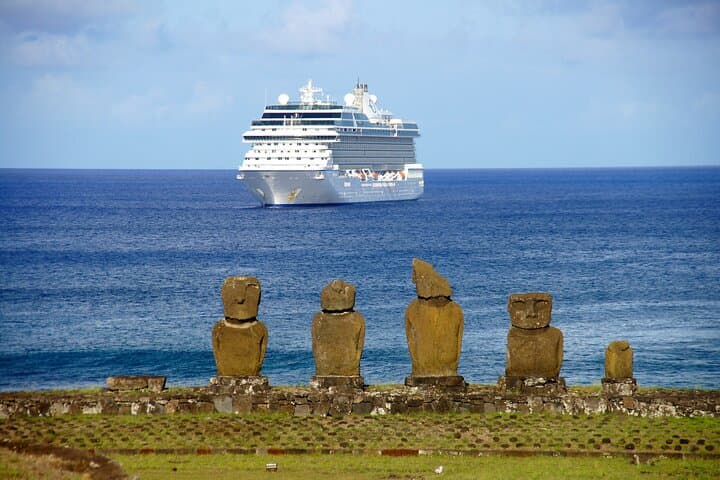
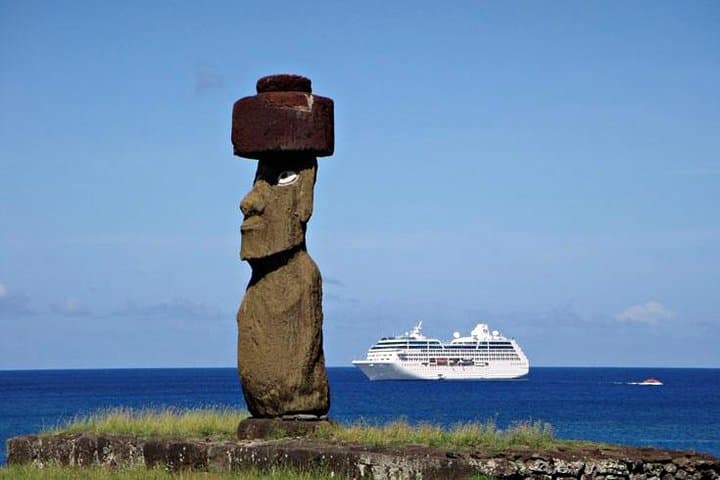
You step off the ship and the Pacific wind meets you first — cool, briny, and insistent. Over six hours a small group moves like a compact expedition around an island that measures distance in monuments: tumbled moai half-buried in volcanic ash, a line of fifteen stones backlit by ocean, a crater rim where cliffs drop straight to the sea.
Verified experiences and guided adventures in the surrounding area.
Operated by Kava Kava Tours · Hanga Roa, Valparaíso Region
You step off the ship and the Pacific wind meets you first — cool, briny, and insistent. Over six hours a small group moves like a compact expedition around an island that measures distance in monuments: tumbled moai half-buried in volcanic ash, a line of fifteen stones backlit by ocean, a crater rim where cliffs drop straight to the sea.
The route threads through Rano Raraku, the volcanic tuff quarry where many moai were carved; Ahu Tongariki, the island’s largest restored platform; the white-sand stretch at Anakena with its refined ahu Nau Nau; and the stone ceremonial village of O’rongo atop the Rano Kau crater. Geology is obvious here — compacted tuff and basalt make the statues possible and the crater basins shape ancient freshwater reserves once vital to Rapa Nui life.
Expect local history in every stop: construction techniques, the island’s shifting population centers, and the Birdman ritual connected to O’rongo. Guides balance archaeological detail with cultural context and bilingual commentary.
Practicalities are straightforward. Tours run about six hours, include pier pickup/drop-off, and cap at eight guests. A National Park ticket (USD 90, cash only, sold at the pier) is required. Paths are often uneven and exposed to sun and wind; allow time at each site for photography and questions. Bring sunscreen, a hat, sturdy flat shoes, and small cash. If you want a quieter photo moment, the guide can often pause off the main viewing strips — but keep to marked areas to protect fragile surfaces.
easy.
6 hours.
Suitable for most fitness levels; must handle short walks on uneven ground and steps
No. The National Park ticket (USD 90 per person) is not included and must be purchased in cash at the Ma'uhenua stand by the pier.
Expect multiple short walks at each site—typically 10–30 minutes of walking and standing per stop on uneven ground; overall the tour lasts about six hours.
Yes. Guides for this excursion provide commentary in English and Spanish.
The tour is generally suitable for most, but there are uneven surfaces, steps and some soft sand; contact the operator ahead to discuss specific accessibility needs.
Rapa Nui’s moai were carved largely from the tuff of Rano Raraku and moved to ahu around the island; O’rongo later hosted the Birdman (Tangata manu) ceremonies tied to resource competition and status.
Easter Island’s archaeological sites are sensitive to erosion and visitor impact; visitors must stay on marked paths, respect local cultural protocols, and the national park fee supports conservation and community programs.
Kava Kava Tours operates guided outdoor trips and adventures with an emphasis on safety, stewardship, and memorable experiences.
You step off the ship and the Pacific wind meets you first — cool, briny, and insistent. Over six hours a small group moves like a compact expedition around an island that measures distance in monuments: tumbled moai half-buried in volcanic ash, a line of fifteen stones backlit by ocean, a crater rim where cliffs drop straight to the sea.
You step off the ship and the Pacific wind meets you first — cool, briny, and insistent. Over six hours a small group moves like a compact expedition around an island that measures distance in monuments: tumbled moai half-buried in volcanic ash, a line of fifteen stones backlit by ocean, a crater rim where cliffs drop straight to the sea.
The route threads through Rano Raraku, the volcanic tuff quarry where many moai were carved; Ahu Tongariki, the island’s largest restored platform; the white-sand stretch at Anakena with its refined ahu Nau Nau; and the stone ceremonial village of O’rongo atop the Rano Kau crater. Geology is obvious here — compacted tuff and basalt make the statues possible and the crater basins shape ancient freshwater reserves once vital to Rapa Nui life.
Expect local history in every stop: construction techniques, the island’s shifting population centers, and the Birdman ritual connected to O’rongo. Guides balance archaeological detail with cultural context and bilingual commentary.
Practicalities are straightforward. Tours run about six hours, include pier pickup/drop-off, and cap at eight guests. A National Park ticket (USD 90, cash only, sold at the pier) is required. Paths are often uneven and exposed to sun and wind; allow time at each site for photography and questions. Bring sunscreen, a hat, sturdy flat shoes, and small cash. If you want a quieter photo moment, the guide can often pause off the main viewing strips — but keep to marked areas to protect fragile surfaces.