THE ADVENTURE COLLECTIVE® · Independent discovery and booking for outdoor travel

Drive the green spine of Dhofar on a private five-hour loop from Salalah to Wadi Darbat, Khor Rori (Sumhuram) and Jabal Samhan. Expect waterfalls, frankincense history and easy, interpretive walks with local context.
Drive the green spine of Dhofar on a private five-hour loop from Salalah to Wadi Darbat, Khor Rori (Sumhuram) and Jabal Samhan. Expect waterfalls, frankincense history and easy, interpretive walks with local context.
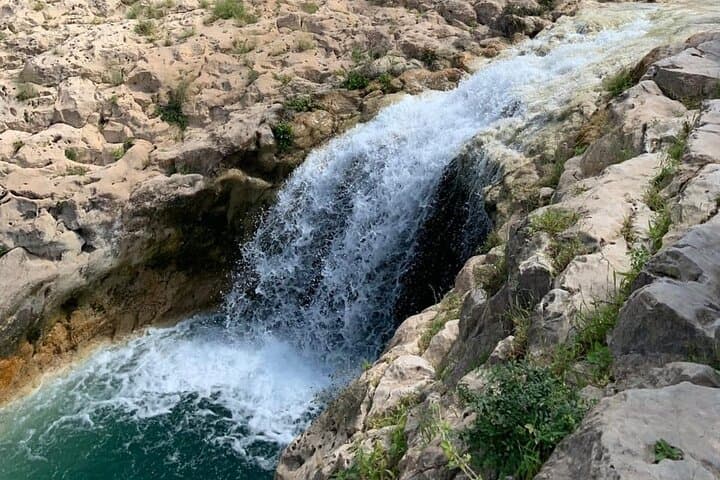
A morning in East Salalah begins with the road unspooling toward sea and mountain — the vehicle hums through dry plains and then the land changes: hills darken, gullies take on green, and the air smells faintly of resin. Visitors step out at Ain Razat’s natural springs where water threads through rock, then move on to view the white-washed Taqah Castle before descending toward the bowl of Wadi Darbat where waterfalls dare the air and lakes reflect steep cliffs.
Verified experiences and guided adventures in the surrounding area.
Operated by Visit Our Salalah · Salalah, Dhofar
A morning in East Salalah begins with the road unspooling toward sea and mountain — the vehicle hums through dry plains and then the land changes: hills darken, gullies take on green, and the air smells faintly of resin. Visitors step out at Ain Razat’s natural springs where water threads through rock, then move on to view the white-washed Taqah Castle before descending toward the bowl of Wadi Darbat where waterfalls dare the air and lakes reflect steep cliffs.
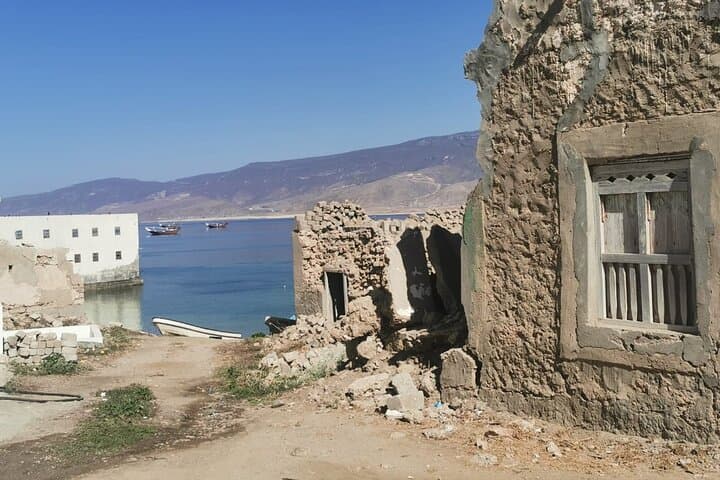
This short circuit stitches together Dhofar’s layered story: Sumhuram (Khor Rori) marks an ancient frankincense port tied to incense caravans; Jabal Samhan’s limestone escarpments record uplift and erosion that shaped the wadi systems; and small Dhofari houses, like Koofan, hold 19th-century vernacular construction methods. During the Khareef (monsoon) the hills drink from cloud and the wadi delivers 30 m (100 ft) cascades; outside that season the same channels reveal caves, rock pools and camels grazing on riverine grass.
Practical guidance: the tour runs about five hours with short, easy walks at viewpoints and Wadi Darbat. Bring a pair of sturdy walking shoes for uneven surfaces and a wind or rain layer in Khareef months. Carry water and sun protection year-round; use binoculars for birding around Khor Rori and respect archaeological boundaries at Sumhuram. Photography windows are best early or late light — midday is harsh. Expect air-conditioned transfers and flexible stops for short walks, viewpoints and picnic spots. The experience balances gentle hiking, cultural history and wildlife watching — ideal for travelers seeking a compact, interpretive introduction to Dhofar’s coastal edge and mountain-fed wadis.
easy.
5 hours.
Light walking ability — suitable for most fitness levels; short on-foot stops with minimal elevation gain.
Waterfalls peak during the Khareef monsoon (roughly June–September); outside that season pools and smaller cascades persist but flow is reduced.
Yes — the tour involves short, easy walks and vehicle transfers; however those with limited mobility should note some uneven ground at viewpoints and wadi edges.
Visits to Sumhuram/archaeological viewpoints are included as stops on the route but museum admissions may be separate depending on operator options.
Yes — the region is part of the historic frankincense landscape; you’ll pass ancient groves and learn about the trade at Khor Rori and nearby sites.
Khor Rori (Sumhuram) was a key port in the frankincense trade network; nearby ruins and museums trace commerce from the 1st millennium BCE onward.
Khareef draws heavy seasonal visitor pressure—stay on trails, avoid disturbing freshwater pools, and take all litter out to protect fragile vegetation and archaeological deposits.
Visit Our Salalah operates guided outdoor trips and adventures with an emphasis on safety, stewardship, and memorable experiences.

A morning in East Salalah begins with the road unspooling toward sea and mountain — the vehicle hums through dry plains and then the land changes: hills darken, gullies take on green, and the air smells faintly of resin. Visitors step out at Ain Razat’s natural springs where water threads through rock, then move on to view the white-washed Taqah Castle before descending toward the bowl of Wadi Darbat where waterfalls dare the air and lakes reflect steep cliffs.
A morning in East Salalah begins with the road unspooling toward sea and mountain — the vehicle hums through dry plains and then the land changes: hills darken, gullies take on green, and the air smells faintly of resin. Visitors step out at Ain Razat’s natural springs where water threads through rock, then move on to view the white-washed Taqah Castle before descending toward the bowl of Wadi Darbat where waterfalls dare the air and lakes reflect steep cliffs.
This short circuit stitches together Dhofar’s layered story: Sumhuram (Khor Rori) marks an ancient frankincense port tied to incense caravans; Jabal Samhan’s limestone escarpments record uplift and erosion that shaped the wadi systems; and small Dhofari houses, like Koofan, hold 19th-century vernacular construction methods. During the Khareef (monsoon) the hills drink from cloud and the wadi delivers 30 m (100 ft) cascades; outside that season the same channels reveal caves, rock pools and camels grazing on riverine grass.
Practical guidance: the tour runs about five hours with short, easy walks at viewpoints and Wadi Darbat. Bring a pair of sturdy walking shoes for uneven surfaces and a wind or rain layer in Khareef months. Carry water and sun protection year-round; use binoculars for birding around Khor Rori and respect archaeological boundaries at Sumhuram. Photography windows are best early or late light — midday is harsh. Expect air-conditioned transfers and flexible stops for short walks, viewpoints and picnic spots. The experience balances gentle hiking, cultural history and wildlife watching — ideal for travelers seeking a compact, interpretive introduction to Dhofar’s coastal edge and mountain-fed wadis.