THE ADVENTURE COLLECTIVE® · Independent discovery and booking for outdoor travel

Follow the spice trail through Brick Lane and the East End on a three-hour walking tour that serves 8+ authentic Indian tastings. Learn how immigration, markets and the Thames shaped London’s curry culture while sampling everything from tandoori specialties to classic sweets.
Follow the spice trail through Brick Lane and the East End on a three-hour walking tour that serves 8+ authentic Indian tastings. Learn how immigration, markets and the Thames shaped London’s curry culture while sampling everything from tandoori specialties to classic sweets.
The tour starts where Brick Lane opens onto a ribbon of curry houses, the air thick with garam masala and sizzling mustard oil. You move from doorway to doorway, guided through narrow streets where the smell of freshly baked naan competes with the tang of tamarind and the clink of chai glasses.
Verified experiences and guided adventures in the surrounding area.
Operated by Secret Food Tours · London, England
The tour starts where Brick Lane opens onto a ribbon of curry houses, the air thick with garam masala and sizzling mustard oil. You move from doorway to doorway, guided through narrow streets where the smell of freshly baked naan competes with the tang of tamarind and the clink of chai glasses.
East London’s food scene is a story of migration: 19th- and 20th-century waves of Jewish immigrants followed by South Asian families who made the East End their home after the 1970s. The neighborhood’s identity was shaped by the docks and marshes of the Thames estuary—land reclaimed and rebuilt, which became affordable for immigrant businesses and markets.
Architecture here is pragmatic Victorian and post-industrial: shopfronts and market halls that once served dockworkers now host tandoors and sweet shops. Cultural cues—from Bengali signage to market stalls—map social history as much as cuisine.
Practically, expect about three hours of urban walking with 8+ tastings ranging from spiced chickpea snacks to rich curries and traditional sweets, ending with a locally curated “Secret Dish.” Guides explain dish origins and point out local institutions; ask about ingredients if you have allergies.
Wear comfortable shoes and come hungry but not stuffed—tastings are generous but meant to sample. Bring a refillable bottle; you’ll be walking between stops and London taps are drinkable. Tours run year-round but adjust for weather: in cold months, plan layers; in summer, book earlier slots to avoid queues and heat.
easy.
3 hours.
Suitable for most fitness levels; requires light urban walking and standing for tastings
The tour includes 8+ authentic tastings covering snacks, curries, breads and sweets; portions are sampling-size but generous enough to get a clear sense of each dish.
Yes—organisers request advance notice to arrange vegetarian, vegan or allergy-safe alternatives; contact them before booking to confirm specifics.
Yes—families can join, though portions are tasting-sized and some dishes may be spicy; consider younger children’s tolerance for strong flavors.
Tours can be cancelled for severe weather; check the cancellation policy and the operator will typically offer a refund or reschedule if the tour is called off.
Brick Lane and the surrounding East End became a culinary hub through successive immigrant communities—primarily Jewish and Bangladeshi—who established markets and eateries tied to the area’s dockworking economy.
Support local businesses and reduce waste by declining single-use containers; many vendors use fresh, local ingredients—tip generously to sustain small food enterprises.
Secret Food Tours operates guided outdoor trips and adventures with an emphasis on safety, stewardship, and memorable experiences.
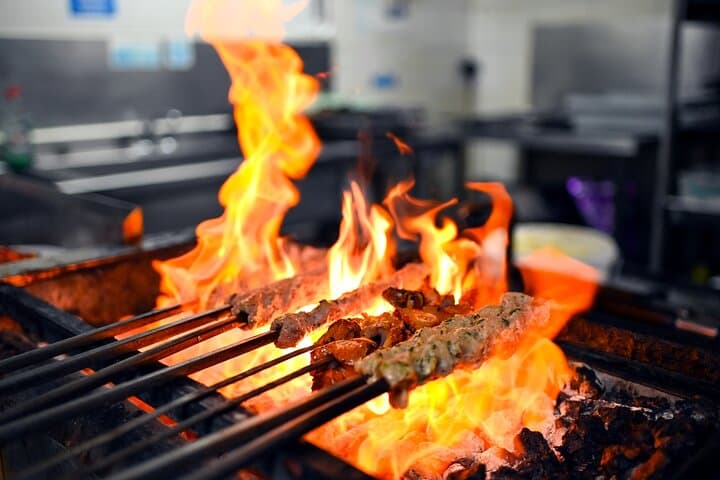

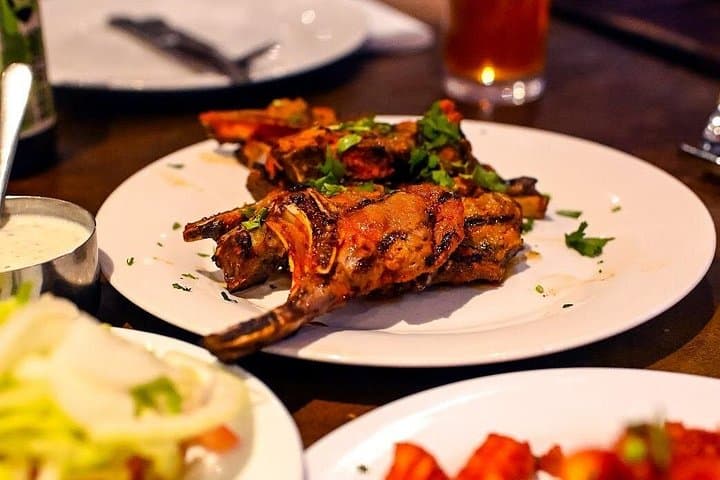
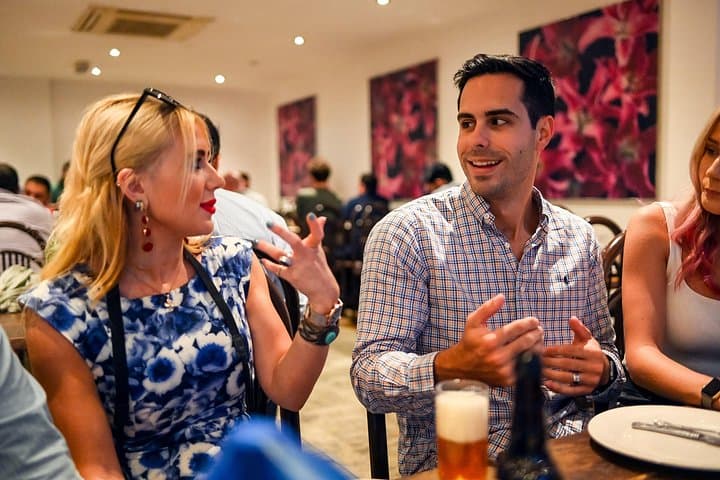
The tour starts where Brick Lane opens onto a ribbon of curry houses, the air thick with garam masala and sizzling mustard oil. You move from doorway to doorway, guided through narrow streets where the smell of freshly baked naan competes with the tang of tamarind and the clink of chai glasses.
The tour starts where Brick Lane opens onto a ribbon of curry houses, the air thick with garam masala and sizzling mustard oil. You move from doorway to doorway, guided through narrow streets where the smell of freshly baked naan competes with the tang of tamarind and the clink of chai glasses.
East London’s food scene is a story of migration: 19th- and 20th-century waves of Jewish immigrants followed by South Asian families who made the East End their home after the 1970s. The neighborhood’s identity was shaped by the docks and marshes of the Thames estuary—land reclaimed and rebuilt, which became affordable for immigrant businesses and markets.
Architecture here is pragmatic Victorian and post-industrial: shopfronts and market halls that once served dockworkers now host tandoors and sweet shops. Cultural cues—from Bengali signage to market stalls—map social history as much as cuisine.
Practically, expect about three hours of urban walking with 8+ tastings ranging from spiced chickpea snacks to rich curries and traditional sweets, ending with a locally curated “Secret Dish.” Guides explain dish origins and point out local institutions; ask about ingredients if you have allergies.
Wear comfortable shoes and come hungry but not stuffed—tastings are generous but meant to sample. Bring a refillable bottle; you’ll be walking between stops and London taps are drinkable. Tours run year-round but adjust for weather: in cold months, plan layers; in summer, book earlier slots to avoid queues and heat.