THE ADVENTURE COLLECTIVE® · Independent discovery and booking for outdoor travel

A compact four-day loop through East Java’s most dramatic landscapes: watch Bromo erupt into sunrise, explore Madakaripura and Tumpak Sewu waterfalls, then hike Ijen by night to see its sulfur-blue flames. Early starts, rugged trails and volcanic geology make this an active, unforgettable trip.
A compact four-day loop through East Java’s most dramatic landscapes: watch Bromo erupt into sunrise, explore Madakaripura and Tumpak Sewu waterfalls, then hike Ijen by night to see its sulfur-blue flames. Early starts, rugged trails and volcanic geology make this an active, unforgettable trip.
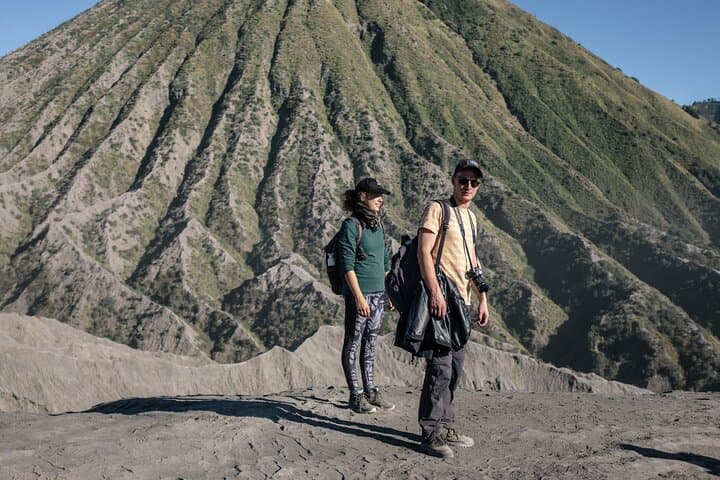
Before dawn you stand on a cold ridge as Bromo exhales gray smoke into a sky that turns from indigo to copper; the jeep rumbles away and the sand sea hushes, daring you onward. Over four days this loop threads volcanic highlands, emerald waterfalls and a sulfur-lined crater whose blue fire seems to move like liquid light.
Verified experiences and guided adventures in the surrounding area.
Operated by IDN Trip Experiences · Malang, East Java
Before dawn you stand on a cold ridge as Bromo exhales gray smoke into a sky that turns from indigo to copper; the jeep rumbles away and the sand sea hushes, daring you onward. Over four days this loop threads volcanic highlands, emerald waterfalls and a sulfur-lined crater whose blue fire seems to move like liquid light.
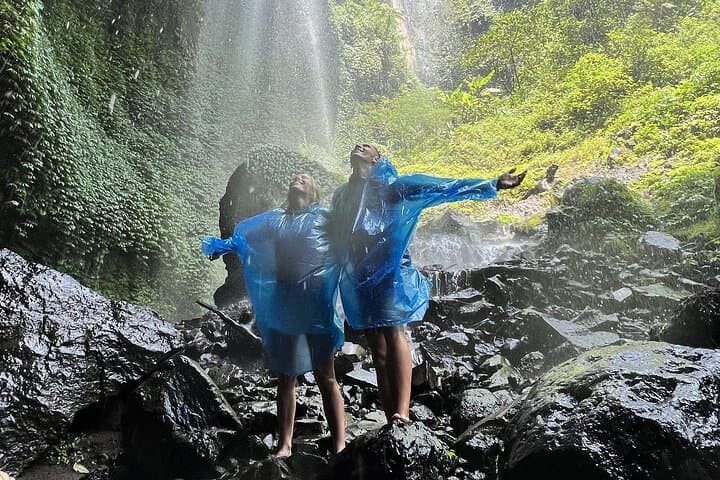
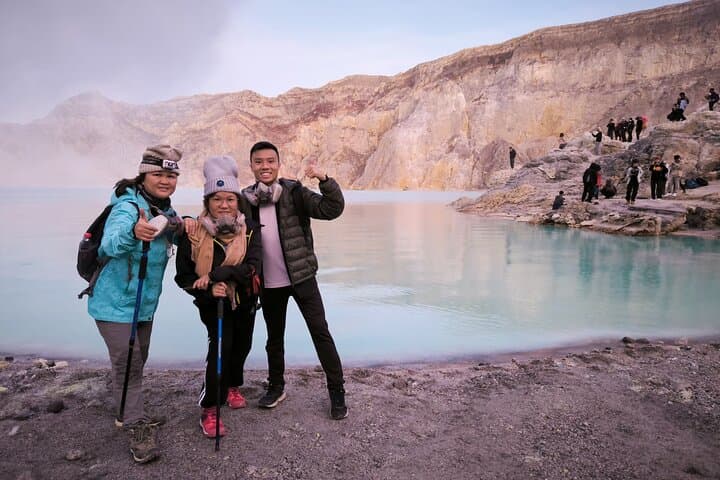
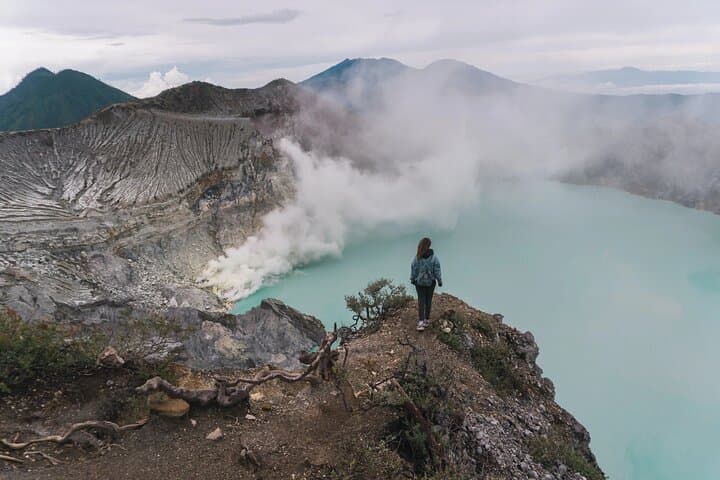
Geology here is loud and recent: Bromo is part of the Tengger massif (elevation ~2,329 m), a young volcanic complex shaped by explosive eruptions and wind-carved ash. Ijen’s crater lake sits higher (rim ~2,400–2,450 m) and holds one of the world’s largest acidic lakes; the blue flames are a chemical glow from burning sulfur gases. Madakaripura and Tumpak Sewu carve through volcanic rock—plunge pools fed by steep, narrow gorges that amplify water’s force.
Local Tenggerese and Javanese communities keep distinct rituals and livelihoods—look for small shrines near Bromo and simple village homestays in Lumajang and Bondowoso.
Practical guidance: expect early starts (pre-dawn departures), cold mornings above 2,000 m, and sections of steep, often muddy trail. Bromo’s crater is a 30–45 minute climb from the jeep area (shorter on horseback); Ijen is roughly a 3 km ascent from Paltuding with 2–4 hours round-trip depending on pace and conditions. Tumpak Sewu involves descending to the base over wet rock and stairs—sturdy, grippy footwear and a guide are highly recommended.
Hydrate, layer for wind and chill, pack a headlamp and a facemask for Ijen’s sulfur fumes, and allow time between transfers: roads are scenic but slow. The route rewards patience with abrupt panoramas, roaring water and a night-sky torch show few places can match.
challenging.
4 days.
Good cardiovascular fitness and stair-climbing strength; able to hike 2–4 hours at a time with a daypack and handle steep, slippery terrain.
Yes—current local rules require a medical certificate (issued within 48 hours before arrival) confirming you are fit to climb due to sulfur gas exposure and steep trails.
The hike from Paltuding to the rim is short (about 3 km) but steep and done at night; expect 2–4 hours round-trip depending on fitness and conditions.
Yes—horses are available for the final ascent to Bromo’s crater along the sandy path, but they may not be suitable for everyone and conditions can be hot or windy.
This tour lists admission included for main sites, but check your booking details; expect small local park fees at Bromo, Ijen and waterfall sites where required.
Bromo sits within the Tengger caldera and is culturally significant to the Tenggerese people, who maintain Hindu rituals like the annual Yadnya Kasada offering at the crater rim.
Highland ecosystems and karst waterfalls are fragile; stick to trails, avoid litter, and respect local guidelines for sulfur exposure and crater access.
IDN Trip Experiences operates guided outdoor trips and adventures with an emphasis on safety, stewardship, and memorable experiences.
Before dawn you stand on a cold ridge as Bromo exhales gray smoke into a sky that turns from indigo to copper; the jeep rumbles away and the sand sea hushes, daring you onward. Over four days this loop threads volcanic highlands, emerald waterfalls and a sulfur-lined crater whose blue fire seems to move like liquid light.
Before dawn you stand on a cold ridge as Bromo exhales gray smoke into a sky that turns from indigo to copper; the jeep rumbles away and the sand sea hushes, daring you onward. Over four days this loop threads volcanic highlands, emerald waterfalls and a sulfur-lined crater whose blue fire seems to move like liquid light.
Geology here is loud and recent: Bromo is part of the Tengger massif (elevation ~2,329 m), a young volcanic complex shaped by explosive eruptions and wind-carved ash. Ijen’s crater lake sits higher (rim ~2,400–2,450 m) and holds one of the world’s largest acidic lakes; the blue flames are a chemical glow from burning sulfur gases. Madakaripura and Tumpak Sewu carve through volcanic rock—plunge pools fed by steep, narrow gorges that amplify water’s force.
Local Tenggerese and Javanese communities keep distinct rituals and livelihoods—look for small shrines near Bromo and simple village homestays in Lumajang and Bondowoso.
Practical guidance: expect early starts (pre-dawn departures), cold mornings above 2,000 m, and sections of steep, often muddy trail. Bromo’s crater is a 30–45 minute climb from the jeep area (shorter on horseback); Ijen is roughly a 3 km ascent from Paltuding with 2–4 hours round-trip depending on pace and conditions. Tumpak Sewu involves descending to the base over wet rock and stairs—sturdy, grippy footwear and a guide are highly recommended.
Hydrate, layer for wind and chill, pack a headlamp and a facemask for Ijen’s sulfur fumes, and allow time between transfers: roads are scenic but slow. The route rewards patience with abrupt panoramas, roaring water and a night-sky torch show few places can match.