THE ADVENTURE COLLECTIVE® · Independent discovery and booking for outdoor travel

Four days across East Java's most dramatic landscapes: a canyon waterfall, the highest Java cascades, a steaming volcanic caldera and the rare blue fire of Ijen. This guide outlines what to expect, how to prepare, and where the practical challenges lie.
Four days across East Java's most dramatic landscapes: a canyon waterfall, the highest Java cascades, a steaming volcanic caldera and the rare blue fire of Ijen. This guide outlines what to expect, how to prepare, and where the practical challenges lie.
At 2 a.m. a private car hums out of Malang and the road opens into black hills where headlights cut pathways through coffee plantations. Rivers call for attention as you descend to Tumpak Sewu; waterfalls push air and spray like a living wall. By dawn the sand sea around Mount Bromo glows cold, and the crater exhales steam that dares you closer.
Verified experiences and guided adventures in the surrounding area.
Operated by Smartway Indonesia Tours · Malang, East Java
At 2 a.m. a private car hums out of Malang and the road opens into black hills where headlights cut pathways through coffee plantations. Rivers call for attention as you descend to Tumpak Sewu; waterfalls push air and spray like a living wall. By dawn the sand sea around Mount Bromo glows cold, and the crater exhales steam that dares you closer.
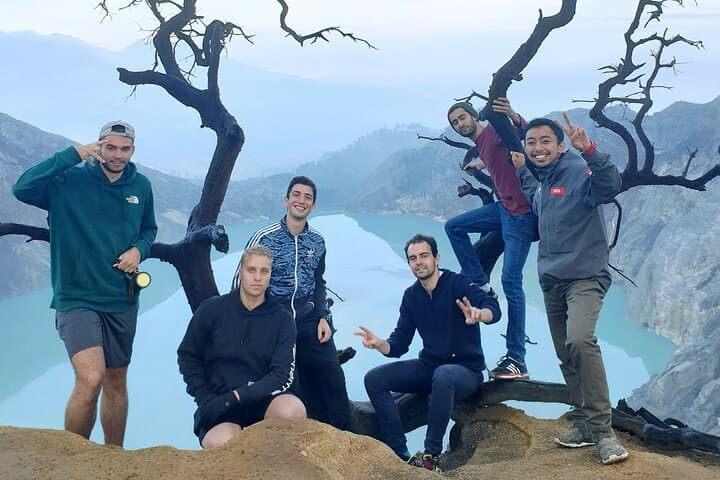
This four-day circuit threads East Java's dramatic geology and Tengger culture. Tumpak Sewu is a segmented canyon carved by volcanic runoff; Madakaripura drops from ancient lava terraces and sits within local lore tied to the Majapahit era. Mount Bromo, in the protected Bromo Tengger Semeru National Park, holds daily rituals at Pura Luhur Poten performed by the Tenggerese people. Ijen finishes the trip with its turquoise acid lake and the rare blue fire—sulfur gases igniting along the crater floor.
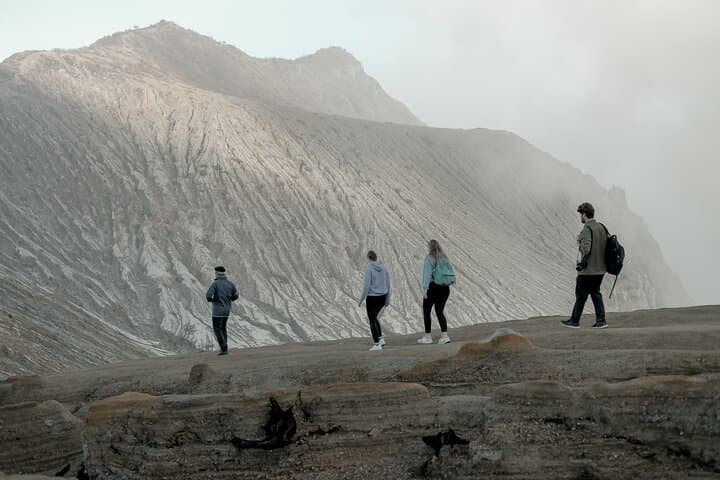
Expect uneven trails, steep stone steps at Madakaripura, a short but exposed hike up Bromo's crater rim, and a night ascent to Ijen with headlamp navigation. Guides often provide safety masks for sulfur exposure, but bring your own respirator if you have sensitivities. Timing is everything: arrive at Bromo before sunrise to avoid crowds and carry extra layers—highland temperatures plunge after dark.
Practical tips: hydrate between long drives, wear sturdy trail shoes with grip for wet rocks, and allow flexibility in transfer times—roads and weather can delay schedules. Respect local customs at temple sites and pack out all waste; these landscapes absorb visitors faster than they regenerate.
challenging.
4 days.
Good cardiovascular fitness and comfort with steep, sometimes slippery hikes; ability to handle early mornings and multi-hour transfers.
Blue fire visibility depends on gas emissions and weather; it’s most visible on clear nights with adequate gas flow—guides will attempt the hike but cannot guarantee sightings.
Expect steep sections and uneven terrain: short but strenuous climbs up crater rims and wet stone pathways that require balance and moderate fitness.
Operators typically provide basic safety masks or gas masks, but bringing a well-fitting respirator is recommended if you have respiratory concerns.
Yes — transfers to Ketapang ferry port (for Bali) are a common option; confirm drop-off point and any extra fees when booking.
The Tenggerese people have lived around Bromo for centuries; Pura Luhur Poten remains central to their annual Kasada offerings. Madakaripura is linked in local legend to the Majapahit period.
Visitor pressure, erosion and sulfur extraction impact fragile crater environments; stick to trails, avoid littering and follow guide instructions to reduce footprint.
Smartway Indonesia Tours operates guided outdoor trips and adventures with an emphasis on safety, stewardship, and memorable experiences.
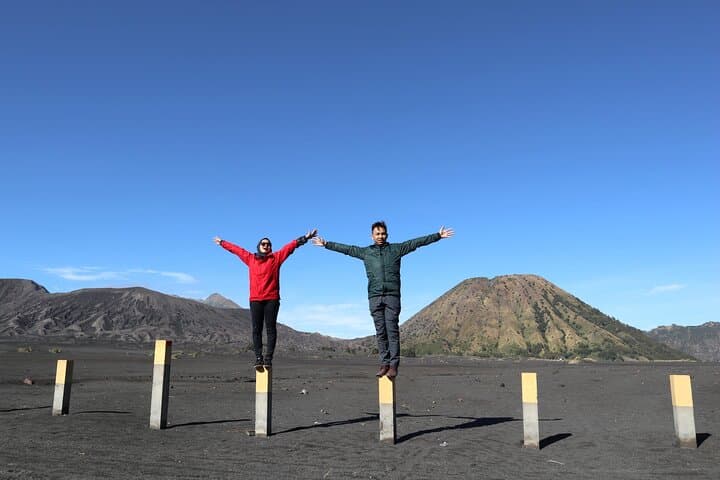
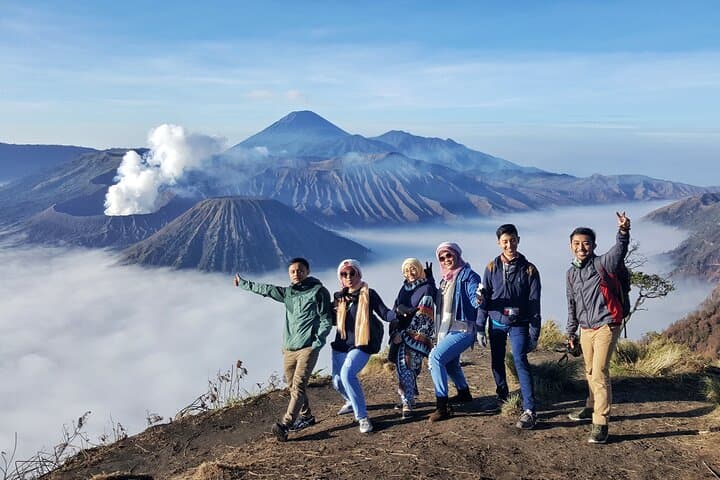
At 2 a.m. a private car hums out of Malang and the road opens into black hills where headlights cut pathways through coffee plantations. Rivers call for attention as you descend to Tumpak Sewu; waterfalls push air and spray like a living wall. By dawn the sand sea around Mount Bromo glows cold, and the crater exhales steam that dares you closer.
At 2 a.m. a private car hums out of Malang and the road opens into black hills where headlights cut pathways through coffee plantations. Rivers call for attention as you descend to Tumpak Sewu; waterfalls push air and spray like a living wall. By dawn the sand sea around Mount Bromo glows cold, and the crater exhales steam that dares you closer.
This four-day circuit threads East Java's dramatic geology and Tengger culture. Tumpak Sewu is a segmented canyon carved by volcanic runoff; Madakaripura drops from ancient lava terraces and sits within local lore tied to the Majapahit era. Mount Bromo, in the protected Bromo Tengger Semeru National Park, holds daily rituals at Pura Luhur Poten performed by the Tenggerese people. Ijen finishes the trip with its turquoise acid lake and the rare blue fire—sulfur gases igniting along the crater floor.
Expect uneven trails, steep stone steps at Madakaripura, a short but exposed hike up Bromo's crater rim, and a night ascent to Ijen with headlamp navigation. Guides often provide safety masks for sulfur exposure, but bring your own respirator if you have sensitivities. Timing is everything: arrive at Bromo before sunrise to avoid crowds and carry extra layers—highland temperatures plunge after dark.
Practical tips: hydrate between long drives, wear sturdy trail shoes with grip for wet rocks, and allow flexibility in transfer times—roads and weather can delay schedules. Respect local customs at temple sites and pack out all waste; these landscapes absorb visitors faster than they regenerate.