THE ADVENTURE COLLECTIVE® · Independent discovery and booking for outdoor travel

Discover the East End’s real history on a private two-hour walk through Spitalfields and Brick Lane—market flavors, street art, and immigrant stories replace the usual city highlights. Learn when to go, what to bring, and what you’ll actually see.
Discover the East End’s real history on a private two-hour walk through Spitalfields and Brick Lane—market flavors, street art, and immigrant stories replace the usual city highlights. Learn when to go, what to bring, and what you’ll actually see.
You step from the hum of Liverpool Street into a lane of frying spice and spray-painted walls; Brick Lane announces itself with curry aromas daring you to follow. The pavement guides you past vinyl shops, beigel windows and murals that argue back at the cranes of a changing skyline. This is a walk that privileges human stories—costermongers, Huguenot weavers, Jewish tailors, Bengali restaurateurs—over monuments.
Verified experiences and guided adventures in the surrounding area.
Operated by Urban Saunters · London, England
You step from the hum of Liverpool Street into a lane of frying spice and spray-painted walls; Brick Lane announces itself with curry aromas daring you to follow. The pavement guides you past vinyl shops, beigel windows and murals that argue back at the cranes of a changing skyline. This is a walk that privileges human stories—costermongers, Huguenot weavers, Jewish tailors, Bengali restaurateurs—over monuments.
The East End’s history reads in layers: a market licensed in 1638, Victorian workhouses and the churn of 20th-century immigration. The area's ground was once marshy land east of the City, filled and built upon by centuries of commerce; buildings converted from churches to synagogues to mosques mark those waves. Expect to hear about Jack the Ripper’s shadowy presence, the boom of Spitalfields Market, and how street art became the neighborhood’s modern shorthand.
Practical guide: this private experience runs about two hours, over mostly flat, paved streets and market alleys—roughly 2–3 miles of easy walking with frequent stops. Meet near Spitalfields Market (closest stations: Liverpool Street or Aldgate East). Wear comfortable shoes, carry a small waterproof layer and a card or small notes for market snacks. The tour is stroller-friendly and suitable for most fitness levels, but check operator accessibility if you need step-free entrances. Weekends are busiest—book ahead if you want a quieter weekday rhythm. Bring curiosity and a sense of timing: shops and markets open on varied schedules, and the best street art often appears between shifting shop shutters.
easy.
2 hours.
Light urban walking; suitable for most people who can stand and walk for stretches.
The private tour is approximately two hours and covers about 2–3 miles (3–5 km) over mostly flat, paved streets with frequent stops.
Most walks meet near Spitalfields Market; the nearest Tube/rail options are Liverpool Street and Aldgate East, both a short walk away.
Yes—infants and small children can use a pram or stroller; the tour is generally family-friendly but contact the operator about mobility needs or step-free access.
No; the guide will point out vendors and recommend tastings, but food and drinks are at your own expense.
Spitalfields evolved from a 17th-century market licensed by King Charles I into a dense immigrant quarter—Huguenot weavers, Eastern European Jews and later Bengali settlers shaped its streets and trades.
The area balances commercial redevelopment with heritage preservation; support local businesses and follow signage to avoid damaging historic facades and street art.
Urban Saunters operates guided outdoor trips and adventures with an emphasis on safety, stewardship, and memorable experiences.
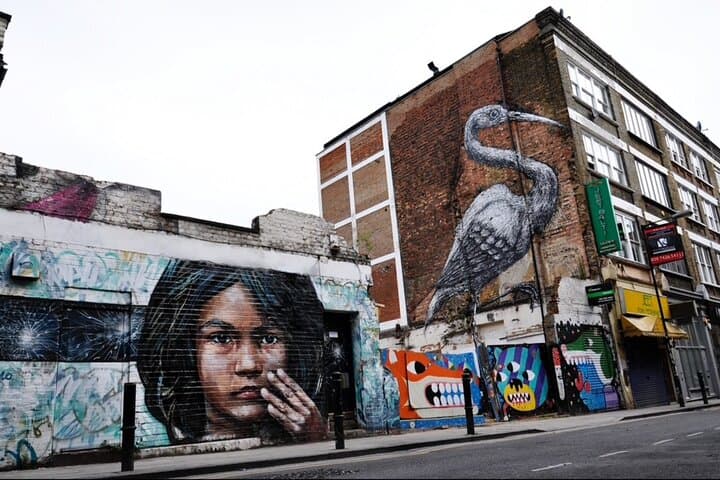

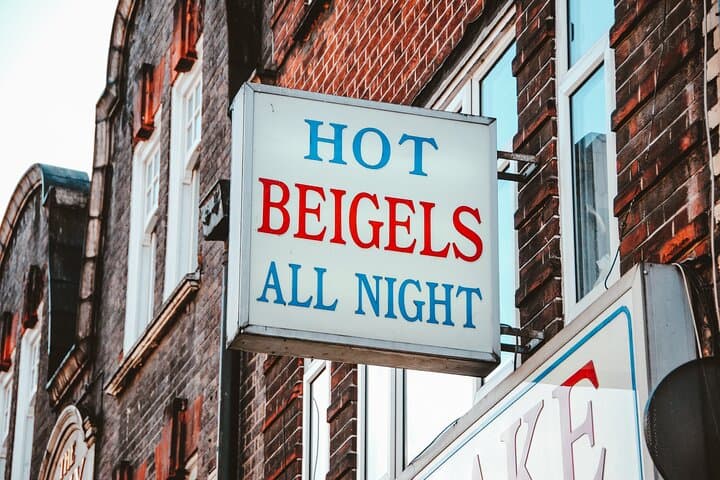

You step from the hum of Liverpool Street into a lane of frying spice and spray-painted walls; Brick Lane announces itself with curry aromas daring you to follow. The pavement guides you past vinyl shops, beigel windows and murals that argue back at the cranes of a changing skyline. This is a walk that privileges human stories—costermongers, Huguenot weavers, Jewish tailors, Bengali restaurateurs—over monuments.
You step from the hum of Liverpool Street into a lane of frying spice and spray-painted walls; Brick Lane announces itself with curry aromas daring you to follow. The pavement guides you past vinyl shops, beigel windows and murals that argue back at the cranes of a changing skyline. This is a walk that privileges human stories—costermongers, Huguenot weavers, Jewish tailors, Bengali restaurateurs—over monuments.
The East End’s history reads in layers: a market licensed in 1638, Victorian workhouses and the churn of 20th-century immigration. The area's ground was once marshy land east of the City, filled and built upon by centuries of commerce; buildings converted from churches to synagogues to mosques mark those waves. Expect to hear about Jack the Ripper’s shadowy presence, the boom of Spitalfields Market, and how street art became the neighborhood’s modern shorthand.
Practical guide: this private experience runs about two hours, over mostly flat, paved streets and market alleys—roughly 2–3 miles of easy walking with frequent stops. Meet near Spitalfields Market (closest stations: Liverpool Street or Aldgate East). Wear comfortable shoes, carry a small waterproof layer and a card or small notes for market snacks. The tour is stroller-friendly and suitable for most fitness levels, but check operator accessibility if you need step-free entrances. Weekends are busiest—book ahead if you want a quieter weekday rhythm. Bring curiosity and a sense of timing: shops and markets open on varied schedules, and the best street art often appears between shifting shop shutters.