THE ADVENTURE COLLECTIVE® · Independent discovery and booking for outdoor travel

Taste seven stops across London’s East End—from world‑famous bagels and fish & chips to hidden market crepes—on a private three‑hour walking tour that blends history, street art and local flavors.
Taste seven stops across London’s East End—from world‑famous bagels and fish & chips to hidden market crepes—on a private three‑hour walking tour that blends history, street art and local flavors.
The group steps off the cobbles and into an East End morning where steam from market stalls mixes with the smell of frying oil and fresh bread. Street art drips color across brick façades while a guide points out a 19th‑century pub doorway—its sash windows still fogged from a century of pints and conversation.
Verified experiences and guided adventures in the surrounding area.
Operated by Secret Food Tours · London, England
The group steps off the cobbles and into an East End morning where steam from market stalls mixes with the smell of frying oil and fresh bread. Street art drips color across brick façades while a guide points out a 19th‑century pub doorway—its sash windows still fogged from a century of pints and conversation.
This part of London has been shaped by migration and the Thames: French Huguenots, Eastern European Jews, Bengalis and more left kitchens and craft that define the neighborhood today. Underfoot the ground is reclaimed marsh and alluvial deposits from the river, which explains the dense, narrow alleys and the historic markets that sprang up along trade routes.
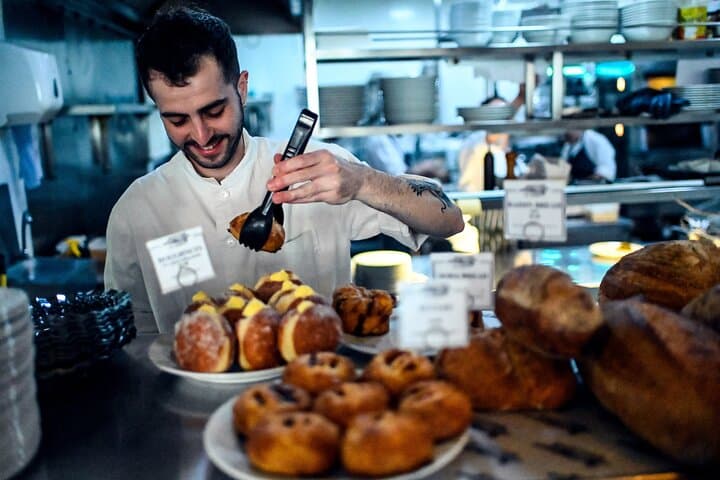
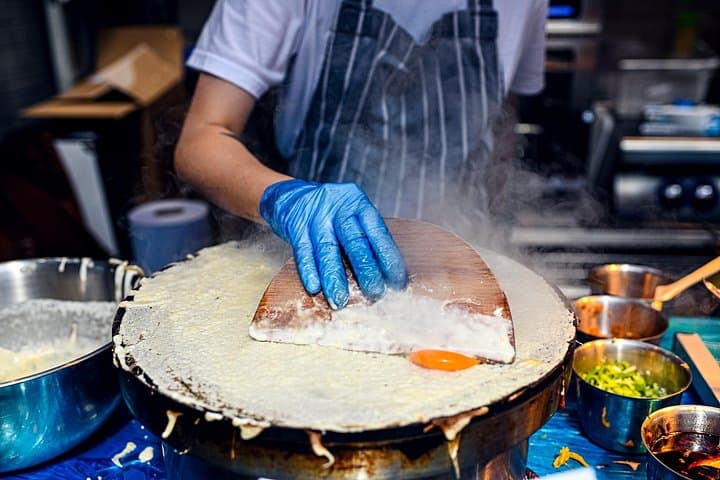
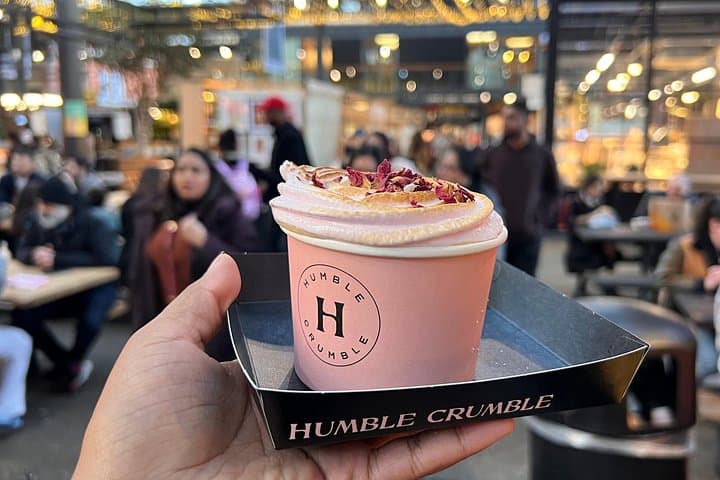
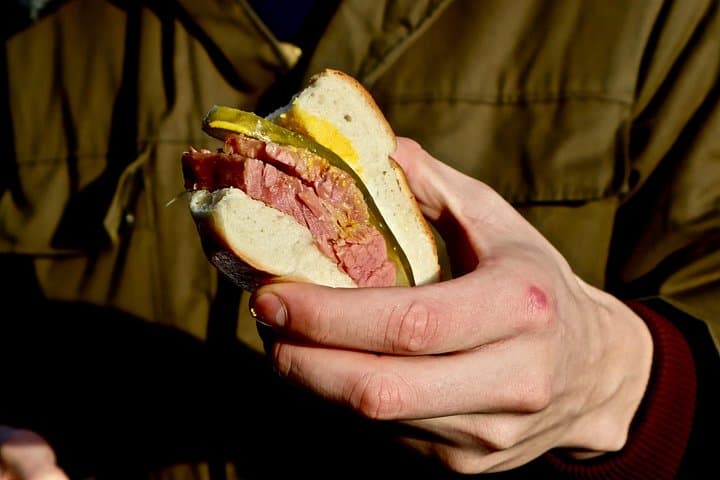
Food here is living history—salted cod and chip shops that have fried through generations, bagel bakeries with recipes passed down, and Chinese jian bing folded beside Ghanaian spice. The tour threads these tastes into a single walking loop that stops at markets, a converted brewing yard, and a pub with links to Jack the Ripper lore, offering both savory and sweet tastings.
Practically speaking, expect three hours on foot across uneven cobbles and occasional market stalls. Portions are tasting-size but filling; the pace is relaxed and private so the group can ask about recipes, provenance, and where ingredients come from. Bring a light rain layer, comfortable shoes, and an appetite for contrasts—this is a neighborhood that keeps its stories in its food.
easy.
3 hours.
Suitable for most fitness levels; requires standing and walking on uneven surfaces for up to three hours.
Yes—children can join but note portions are tasters; infants should sit on laps and walking is required.
Contact the operator in advance to discuss allergies, vegetarian or other dietary needs—many stops can adapt.
Start and end points vary by booking but are typically in Shoreditch or the Brick Lane/Spitalfields area with public transport nearby.
A traditional ale at a historic pub is included as listed, but additional drinks are the traveler’s responsibility.
The East End expanded rapidly in the 18th–19th centuries as immigrants and dock laborers arrived; food trades reflect successive waves of settlement.
Support local vendors by bringing reusable containers where allowed; be mindful of packaging waste and choose vendors who source sustainably.
Secret Food Tours operates guided outdoor trips and adventures with an emphasis on safety, stewardship, and memorable experiences.
The group steps off the cobbles and into an East End morning where steam from market stalls mixes with the smell of frying oil and fresh bread. Street art drips color across brick façades while a guide points out a 19th‑century pub doorway—its sash windows still fogged from a century of pints and conversation.
The group steps off the cobbles and into an East End morning where steam from market stalls mixes with the smell of frying oil and fresh bread. Street art drips color across brick façades while a guide points out a 19th‑century pub doorway—its sash windows still fogged from a century of pints and conversation.
This part of London has been shaped by migration and the Thames: French Huguenots, Eastern European Jews, Bengalis and more left kitchens and craft that define the neighborhood today. Underfoot the ground is reclaimed marsh and alluvial deposits from the river, which explains the dense, narrow alleys and the historic markets that sprang up along trade routes.
Food here is living history—salted cod and chip shops that have fried through generations, bagel bakeries with recipes passed down, and Chinese jian bing folded beside Ghanaian spice. The tour threads these tastes into a single walking loop that stops at markets, a converted brewing yard, and a pub with links to Jack the Ripper lore, offering both savory and sweet tastings.
Practically speaking, expect three hours on foot across uneven cobbles and occasional market stalls. Portions are tasting-size but filling; the pace is relaxed and private so the group can ask about recipes, provenance, and where ingredients come from. Bring a light rain layer, comfortable shoes, and an appetite for contrasts—this is a neighborhood that keeps its stories in its food.