THE ADVENTURE COLLECTIVE® · Independent discovery and booking for outdoor travel

Traverse Crete’s eastern spine in a single, storyrich day: mountain villages, the cave of Zeus, the pulse of Agios Nikolaos, and the haunting islet of Spinalonga. Practical tips on timing, footwear, and what to expect from each stop help you plan a full‑day circuit with minimal guesswork.
Traverse Crete’s eastern spine in a single, storyrich day: mountain villages, the cave of Zeus, the pulse of Agios Nikolaos, and the haunting islet of Spinalonga. Practical tips on timing, footwear, and what to expect from each stop help you plan a full‑day circuit with minimal guesswork.
You step out of the air‑conditioned van onto wind‑scoured limestone and instant light — the Lasithi Plateau opening like a pale bowl below, windmills standing like slow hands. The guide points up: a narrow track threads into gorse and olive trees toward a dark mouth in the rock — the Diktaion Andron — where myth says Zeus was born.
Verified experiences and guided adventures in the surrounding area.
Operated by Stagakis Grand Prestige · Heraklion, Crete
You step out of the air‑conditioned van onto wind‑scoured limestone and instant light — the Lasithi Plateau opening like a pale bowl below, windmills standing like slow hands. The guide points up: a narrow track threads into gorse and olive trees toward a dark mouth in the rock — the Diktaion Andron — where myth says Zeus was born.
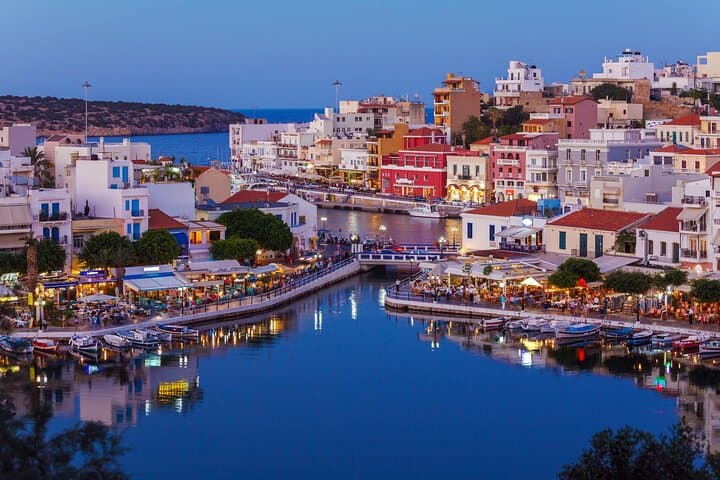
This single-day circuit stitches together Crete’s layered past: Byzantine lanes in Mochos, a 2,400‑year‑old plane tree that drew writers and village councils, Minoan‑era worship in a karst cave, and the salt‑tinted lanes of Agios Nikolaos. Geology here is visible — uplifted limestone plateaus, karst caves carved by millennia of rain, and coastal coves cut from the same white bedrock. Culture arrives in small things: honey and raki tasted at a roadside stop, fishermen in Elounda mending nets, lunchtime conversations in Plaka about families who left for ships long ago.
Practical side: expect an 8–10 hour day of mostly vehicle travel with short walks, some uneven steps at the cave and on Spinalonga’s ramparts. Wear sturdy shoes for rocky approaches, sun protection for exposed plateaus, and bring swimwear for a quick dip at Plaka. The Spinalonga visit requires a short boat transfer and involves cobbled paths and low railings. Accessibility varies by site — villages and the lake are easy; the cave and the islet need stable footing. Time visits for morning light in the cave and late afternoon in Agios Nikolaos to avoid crowds and the hottest sun.
easy.
8–10 hours.
Suitable for most fitness levels—able to manage short uphill approaches, stairs and uneven ground.
The tour runs about 8–10 hours and typically departs from central Heraklion with private transportation provided.
The cave requires a short uphill walk with uneven stone steps; good footwear and moderate mobility are recommended.
A short boat transfer to Spinalonga is included in most itineraries, but conditions may alter boarding procedures—ask your operator on the day.
Typical inclusions list bottled water and a honey/raki tasting; lunch is usually at a village taverna and may be at your own expense depending on the booking.
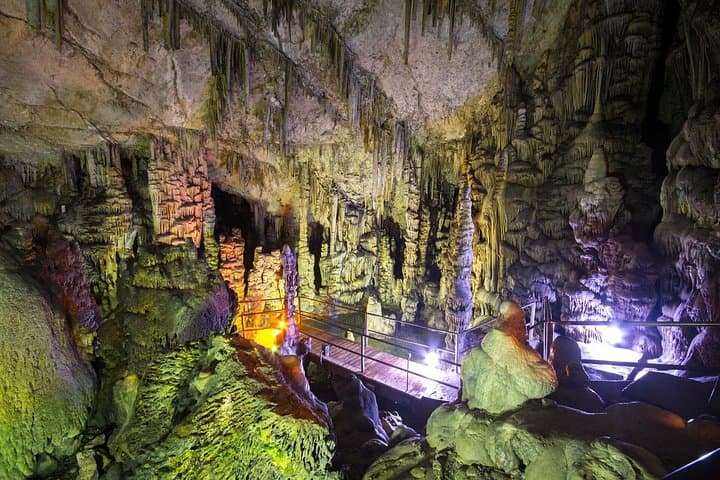
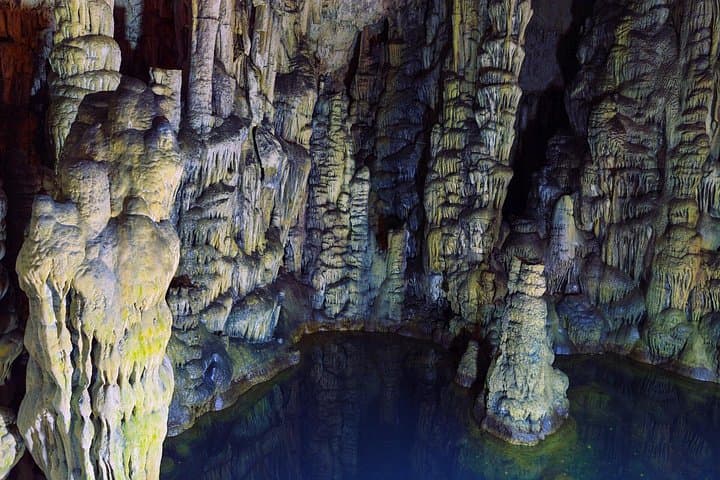
The Diktaion Andron cave was a Minoan sacred site associated with Zeus’ birth; Spinalonga served as a leper colony until 1957 and is tied to modern Cretan memory and literature.
Respect fragile archaeological sites and stay on marked paths; avoid single‑use plastics and support local businesses to maintain the cultural landscape.
Stagakis Grand Prestige operates guided outdoor trips and adventures with an emphasis on safety, stewardship, and memorable experiences.
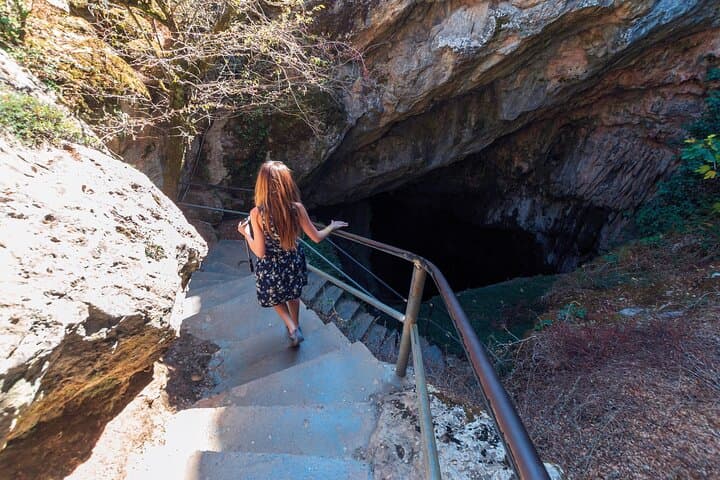
You step out of the air‑conditioned van onto wind‑scoured limestone and instant light — the Lasithi Plateau opening like a pale bowl below, windmills standing like slow hands. The guide points up: a narrow track threads into gorse and olive trees toward a dark mouth in the rock — the Diktaion Andron — where myth says Zeus was born.
You step out of the air‑conditioned van onto wind‑scoured limestone and instant light — the Lasithi Plateau opening like a pale bowl below, windmills standing like slow hands. The guide points up: a narrow track threads into gorse and olive trees toward a dark mouth in the rock — the Diktaion Andron — where myth says Zeus was born.
This single-day circuit stitches together Crete’s layered past: Byzantine lanes in Mochos, a 2,400‑year‑old plane tree that drew writers and village councils, Minoan‑era worship in a karst cave, and the salt‑tinted lanes of Agios Nikolaos. Geology here is visible — uplifted limestone plateaus, karst caves carved by millennia of rain, and coastal coves cut from the same white bedrock. Culture arrives in small things: honey and raki tasted at a roadside stop, fishermen in Elounda mending nets, lunchtime conversations in Plaka about families who left for ships long ago.
Practical side: expect an 8–10 hour day of mostly vehicle travel with short walks, some uneven steps at the cave and on Spinalonga’s ramparts. Wear sturdy shoes for rocky approaches, sun protection for exposed plateaus, and bring swimwear for a quick dip at Plaka. The Spinalonga visit requires a short boat transfer and involves cobbled paths and low railings. Accessibility varies by site — villages and the lake are easy; the cave and the islet need stable footing. Time visits for morning light in the cave and late afternoon in Agios Nikolaos to avoid crowds and the hottest sun.