THE ADVENTURE COLLECTIVE® · Independent discovery and booking for outdoor travel

Stand on an observation deck that looks directly at North Korean coastline, then walk through exhibits and historic sites that explain the Korean War and the decades of division. This guided east-coast DMZ tour pairs coastal views with practical security and cultural context.
Stand on an observation deck that looks directly at North Korean coastline, then walk through exhibits and historic sites that explain the Korean War and the decades of division. This guided east-coast DMZ tour pairs coastal views with practical security and cultural context.
You step onto a windswept observation deck and the Sea of Japan unfurls, white sand arcs and distant cliffs of North Korea visible across a narrow channel. The air tastes of salt and history; binoculars in hand you can pick out Haegeumgang’s rock fingers and the jagged silhouette of Geumgangsan peeking beyond the shore.
Verified experiences and guided adventures in the surrounding area.
Operated by MYK Tour · Goseong, Gangwon-do
You step onto a windswept observation deck and the Sea of Japan unfurls, white sand arcs and distant cliffs of North Korea visible across a narrow channel. The air tastes of salt and history; binoculars in hand you can pick out Haegeumgang’s rock fingers and the jagged silhouette of Geumgangsan peeking beyond the shore.
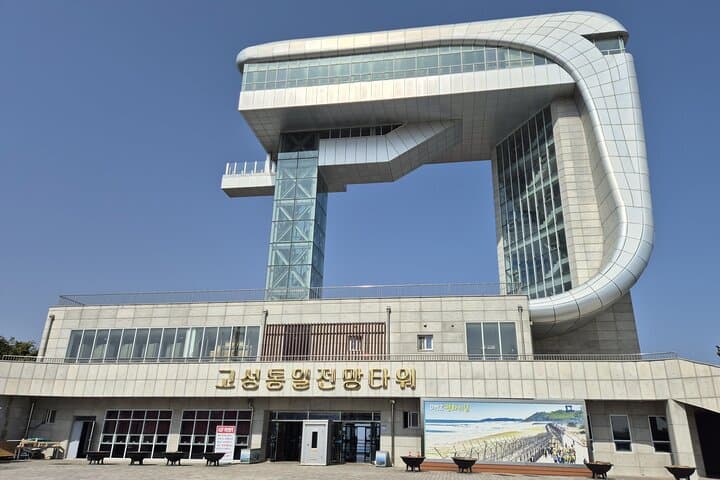
This guided day tour threads security, culture and coastal geology into a single route. The Unification Observatory — opened in the 1980s — was built to give civilians a direct line of sight across the Military Demarcation Line; its displays, paired with the DMZ Museum’s multimedia exhibits, explain the 1950s Armistice and the decades of separation that followed. Along the eastern DMZ the land drops sharply to the sea, producing narrow beaches backed by wind-shaped pine forest and steep, folded bedrock that records tectonic uplift along Korea’s eastern margin.
Practicalities matter here: expect checkpoints, ID checks and short, guided walks rather than long hikes. The tour runs about 4–5 hours with multiple stops for exhibits, views and a visit to the former Kim Il-sung holiday house now interpreted for visitors. Audio and placards provide context; local guides point out coastal ecology and memorials to displaced families.
Plan for changeable coastal weather, bring a windproof layer and good walking shoes, and leave time to absorb both the landscapes and the sobering history. Photography is allowed at many viewpoints but follow guide instructions in sensitive areas — the coastline asks for curiosity blended with respect.
moderate.
4–5 hours.
Light to moderate fitness; participants should be able to walk short distances and stand at viewpoints for 10–20 minutes.
Yes—government-issued photo ID or passport is required for checkpoint and observatory entry; bring the original document.
The tour includes admission fees listed by the operator; check your booking confirmation for specifics.
Families can attend but the tour involves security checks and short walks; travelers should have at least moderate mobility and children must be supervised.
Photography is allowed at most viewpoints and museum areas, but restricted in some security-sensitive zones—always follow your guide’s instructions.
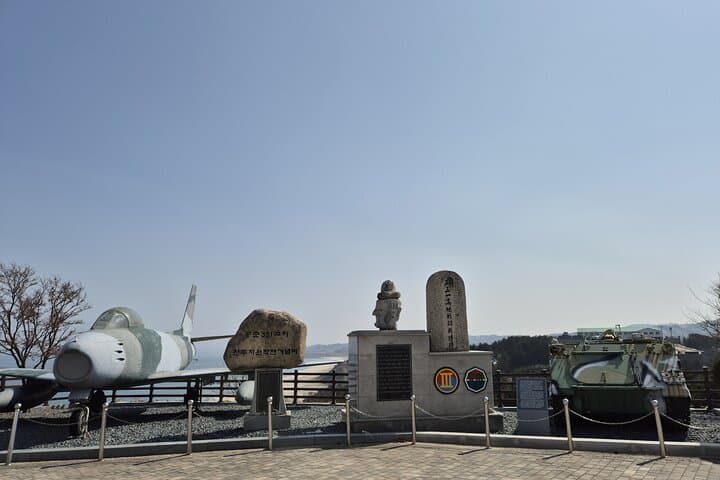
The DMZ and 38th Parallel originate from the 1953 Armistice; eastern observatories and museums interpret the human cost of division and steps toward reconciliation.
The DMZ corridor has become an inadvertent refuge for wildlife; visitors should stay on designated paths and avoid disturbing habitats to help preserve the fragile coastal ecosystem.
MYK Tour operates guided outdoor trips and adventures with an emphasis on safety, stewardship, and memorable experiences.


You step onto a windswept observation deck and the Sea of Japan unfurls, white sand arcs and distant cliffs of North Korea visible across a narrow channel. The air tastes of salt and history; binoculars in hand you can pick out Haegeumgang’s rock fingers and the jagged silhouette of Geumgangsan peeking beyond the shore.
You step onto a windswept observation deck and the Sea of Japan unfurls, white sand arcs and distant cliffs of North Korea visible across a narrow channel. The air tastes of salt and history; binoculars in hand you can pick out Haegeumgang’s rock fingers and the jagged silhouette of Geumgangsan peeking beyond the shore.
This guided day tour threads security, culture and coastal geology into a single route. The Unification Observatory — opened in the 1980s — was built to give civilians a direct line of sight across the Military Demarcation Line; its displays, paired with the DMZ Museum’s multimedia exhibits, explain the 1950s Armistice and the decades of separation that followed. Along the eastern DMZ the land drops sharply to the sea, producing narrow beaches backed by wind-shaped pine forest and steep, folded bedrock that records tectonic uplift along Korea’s eastern margin.
Practicalities matter here: expect checkpoints, ID checks and short, guided walks rather than long hikes. The tour runs about 4–5 hours with multiple stops for exhibits, views and a visit to the former Kim Il-sung holiday house now interpreted for visitors. Audio and placards provide context; local guides point out coastal ecology and memorials to displaced families.
Plan for changeable coastal weather, bring a windproof layer and good walking shoes, and leave time to absorb both the landscapes and the sobering history. Photography is allowed at many viewpoints but follow guide instructions in sensitive areas — the coastline asks for curiosity blended with respect.