THE ADVENTURE COLLECTIVE® · Independent discovery and booking for outdoor travel

Step into a full-motion cockpit in Riga and learn takeoffs, navigation and precision landings on Cessna and Piper simulators. This 60-minute intro blends hands-on flying with instructor-led emergency scenarios—ideal for beginners wanting a safe, realistic taste of piloting.
Step into a full-motion cockpit in Riga and learn takeoffs, navigation and precision landings on Cessna and Piper simulators. This 60-minute intro blends hands-on flying with instructor-led emergency scenarios—ideal for beginners wanting a safe, realistic taste of piloting.
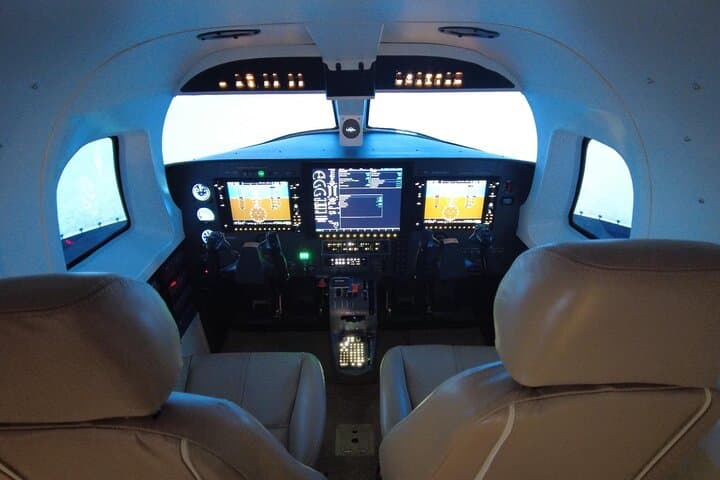
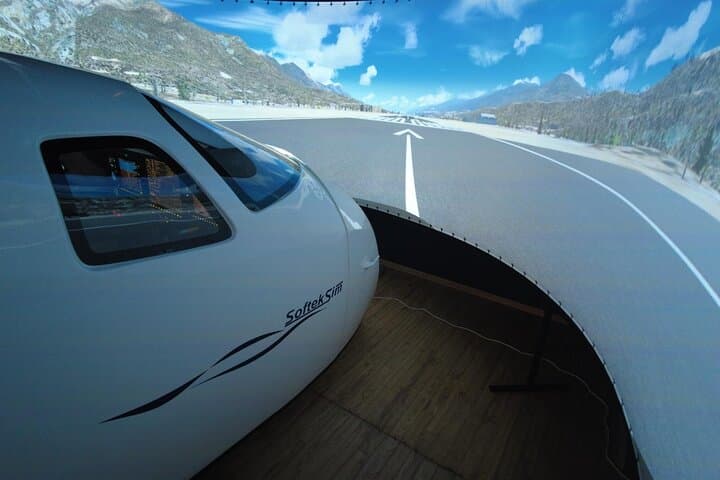
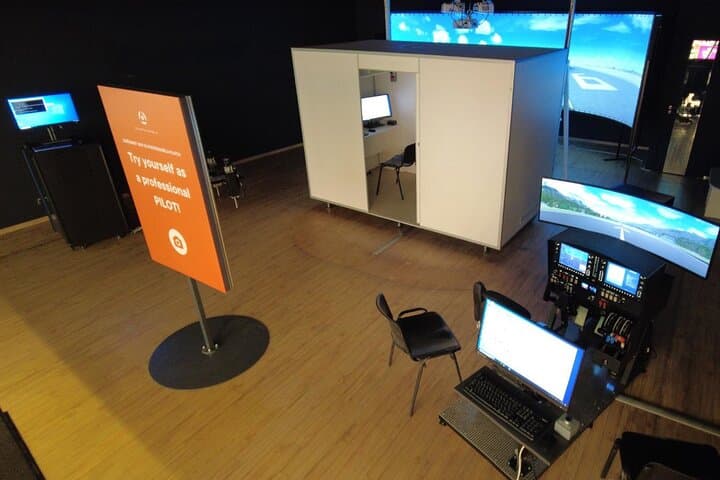
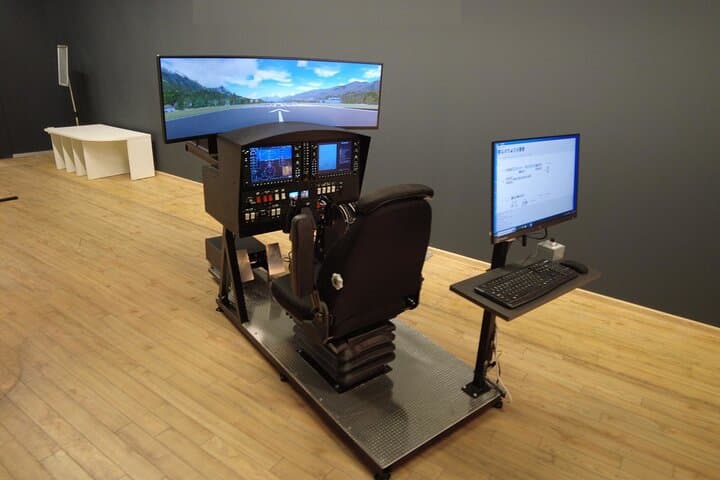
The cockpit hums before the engines do—an instructor beside you calibrates the controls while the simulated wind tugs at the virtual yoke. In a compact training bay in Riga, a Cessna 172 and a Piper Matrix come alive on full-motion platforms; the city below becomes a grid of river bends and red roofs as trainees learn takeoffs, navigation and precision landings.
Verified experiences and guided adventures in the surrounding area.
Operated by AvioSim · Riga, Riga
The cockpit hums before the engines do—an instructor beside you calibrates the controls while the simulated wind tugs at the virtual yoke. In a compact training bay in Riga, a Cessna 172 and a Piper Matrix come alive on full-motion platforms; the city below becomes a grid of river bends and red roofs as trainees learn takeoffs, navigation and precision landings.
Aviation in Riga traces back to early 20th-century airfields like Spilve, where Baltic routes and sport flying first took root. The region’s flat, glacial plains and the wide Daugava River shape local weather patterns pilots learn to read: low clouds form quickly in spring, summer thermals shift in the afternoon, and clear winter air sharpens visibility.
This experience pairs short classroom briefings with hands-on simulator time—ideal for curious beginners or those wanting a taste of emergency procedures without leaving the ground. Expect instruction on basic instruments, radio calls, and simulated engine-out scenarios; instructors tailor scenarios to skill and comfort.
Practicalities: sessions run about 60 minutes, require a photo ID, and are suitable for all fitness levels. Public transport reaches the facility; infants must sit on laps. Motion-sickness precautions are wise for sensitive flyers. Bookings often confirm instantly, and cancellations up to 24 hours offer a full refund.
The session is equal parts adrenaline and education—wind becomes a teacher, and the runway a focused objective. Come prepared, ask for debrief time, and you’ll leave with a clearer sense of what real flying demands and why pilots speak of weather like a living partner.
easy.
60 minutes.
Suitable for all fitness levels; requires basic mobility and the ability to sit and operate simple flight controls.
This experience uses full-motion flight simulators (Cessna 172, Piper Matrix, VR sport-plane options) to recreate real-flight procedures safely; no actual aircraft is flown by guests during standard bookings.
There’s no strict fitness requirement; infants must sit on laps. Minors may need parental consent—check operator policies when booking.
Instructors run realistic failures like simulated engine-out or instrument faults within a controlled environment; scenarios are scaled to your comfort and skill level.
Stop or slow the simulation immediately—staff are trained to pause scenarios and offer remedies; taking meds beforehand is a common precaution.
Riga’s aviation roots date to early 1900s sport and mail routes; Spilve and nearby airfields shaped Baltic civil aviation and training culture.
Simulator-based training reduces fuel use and emissions compared with live trial flights; support local aero clubs that maintain vintage aircraft and promote responsible flying.
AvioSim operates guided outdoor trips and adventures with an emphasis on safety, stewardship, and memorable experiences.
The cockpit hums before the engines do—an instructor beside you calibrates the controls while the simulated wind tugs at the virtual yoke. In a compact training bay in Riga, a Cessna 172 and a Piper Matrix come alive on full-motion platforms; the city below becomes a grid of river bends and red roofs as trainees learn takeoffs, navigation and precision landings.
The cockpit hums before the engines do—an instructor beside you calibrates the controls while the simulated wind tugs at the virtual yoke. In a compact training bay in Riga, a Cessna 172 and a Piper Matrix come alive on full-motion platforms; the city below becomes a grid of river bends and red roofs as trainees learn takeoffs, navigation and precision landings.
Aviation in Riga traces back to early 20th-century airfields like Spilve, where Baltic routes and sport flying first took root. The region’s flat, glacial plains and the wide Daugava River shape local weather patterns pilots learn to read: low clouds form quickly in spring, summer thermals shift in the afternoon, and clear winter air sharpens visibility.
This experience pairs short classroom briefings with hands-on simulator time—ideal for curious beginners or those wanting a taste of emergency procedures without leaving the ground. Expect instruction on basic instruments, radio calls, and simulated engine-out scenarios; instructors tailor scenarios to skill and comfort.
Practicalities: sessions run about 60 minutes, require a photo ID, and are suitable for all fitness levels. Public transport reaches the facility; infants must sit on laps. Motion-sickness precautions are wise for sensitive flyers. Bookings often confirm instantly, and cancellations up to 24 hours offer a full refund.
The session is equal parts adrenaline and education—wind becomes a teacher, and the runway a focused objective. Come prepared, ask for debrief time, and you’ll leave with a clearer sense of what real flying demands and why pilots speak of weather like a living partner.