THE ADVENTURE COLLECTIVE® · Independent discovery and booking for outdoor travel

Leave before dawn to reach the Base of the Towers with smaller groups and fewer crowds. This guided, small-group trek from Puerto Natales prioritizes safety, low impact, and an intimate view of Torres del Paine’s signature granite spires.
Leave before dawn to reach the Base of the Towers with smaller groups and fewer crowds. This guided, small-group trek from Puerto Natales prioritizes safety, low impact, and an intimate view of Torres del Paine’s signature granite spires.
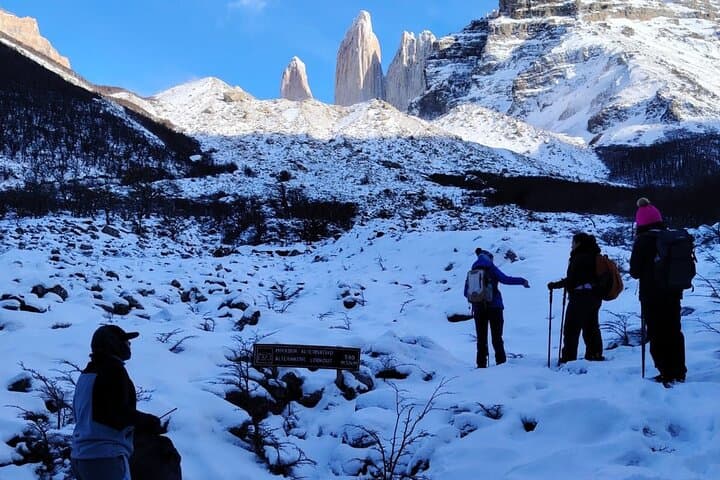
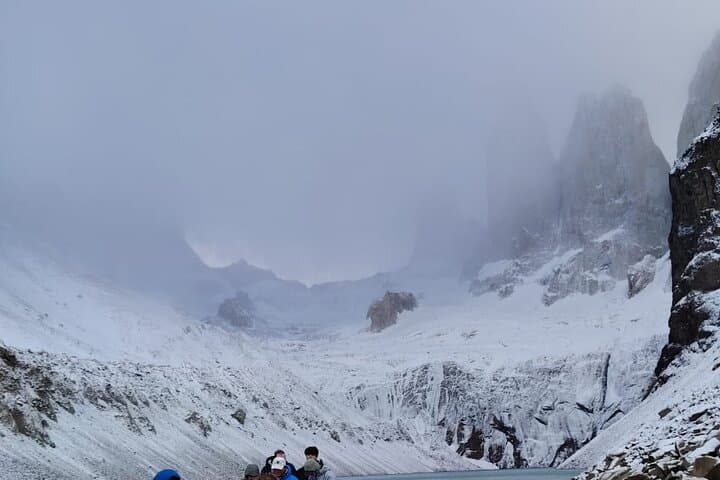
A pre-dawn van eases out of Puerto Natales and the mountains grow teeth against the horizon. By torchlight the group moves up a steep valley; wind tests your layers and the first light paints the granite faces three tones—sheer, raw, and suddenly vertical. This is the approach to the Base of the Towers, the signature viewpoint that organizes the park around its granite summits.
Verified experiences and guided adventures in the surrounding area.
Operated by Entre Ulmos y Lengas · Puerto Natales, Magallanes y la Antártica Chilena
A pre-dawn van eases out of Puerto Natales and the mountains grow teeth against the horizon. By torchlight the group moves up a steep valley; wind tests your layers and the first light paints the granite faces three tones—sheer, raw, and suddenly vertical. This is the approach to the Base of the Towers, the signature viewpoint that organizes the park around its granite summits.
Torres del Paine sits on young uplifted rocks cut by millennia of glacial sculpting; the towers themselves are granite cores that resisted erosion while surrounding material wore away. The area carries Tehuelche and Patagonian ranching history—routes and lookout spots used long before modern trails—and local guides often share small cultural notes along the way.
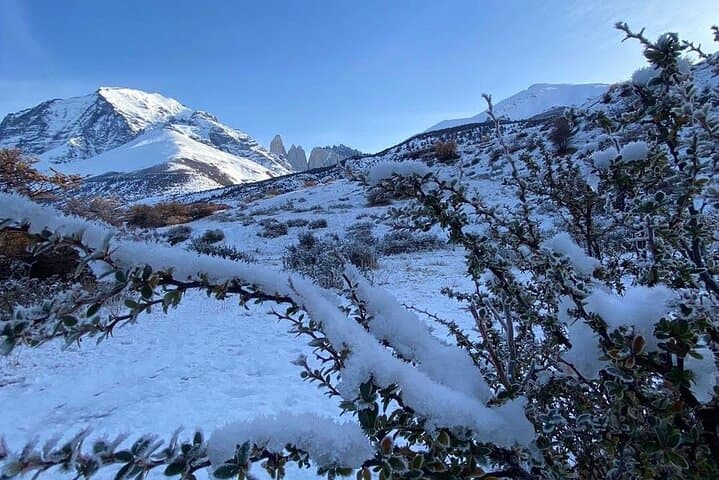
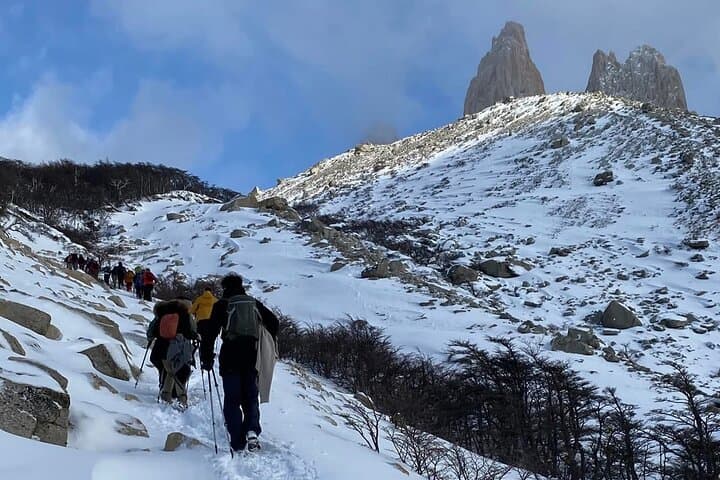
Expect a long, steep hike over mixed terrain: packed dirt, scree fields and granite steps. Flora shifts from lenga forests to low alpine shrubs; condors and guanacos watch from ridgelines. The operator’s early 5:30 a.m. departures and maximum-eight groups aim to reduce crowding and erosion, and guides supply trekking poles, winter mini-crampons and an Irish coffee for the summit pause.
Practically: bring layered, waterproof clothing, sturdy boots, and a daypack with snacks and 2–3 liters of water. Purchase your park entrance in advance and be prepared for rapid weather changes and a physically demanding descent. With small groups and experienced guides, the focus is on connection and low-impact travel—an uncompromising day that rewards persistence with one of Patagonia’s clearest mountain moments.
challenging.
13–14 hours (includes transfer from Puerto Natales).
High level of aerobic fitness and hiking experience; able to manage sustained uphill and technical descents.
The door-to-door outing is listed at roughly 13–14 hours because it includes transport from Puerto Natales and the full round-trip hike to the Base of the Towers; the walking portion and return can take 8–10 hours depending on pace and conditions.
Certified bilingual guides, trekking poles and, in winter, mini-crampons and headlamps are provided; guests must arrive with proper boots and layered clothing.
Yes—each traveler must purchase Torres del Paine Park entrance before the tour; bring confirmation or a printed ticket for gate checks.
The operator requires participants to be over 13 and specifies that those 65+ must be in excellent physical condition; the route is physically demanding and not recommended for people with serious cardiovascular or spinal issues.
The Torres are an exposed granite core shaped by glacial action; indigenous Tehuelche people traversed the region long before it became a national park in 1959.
Small-group departures reduce trail erosion and crowding; visitors are asked to pack out all waste and stick to hardened trails to protect fragile alpine vegetation.
Entre Ulmos y Lengas operates guided outdoor trips and adventures with an emphasis on safety, stewardship, and memorable experiences.
A pre-dawn van eases out of Puerto Natales and the mountains grow teeth against the horizon. By torchlight the group moves up a steep valley; wind tests your layers and the first light paints the granite faces three tones—sheer, raw, and suddenly vertical. This is the approach to the Base of the Towers, the signature viewpoint that organizes the park around its granite summits.
A pre-dawn van eases out of Puerto Natales and the mountains grow teeth against the horizon. By torchlight the group moves up a steep valley; wind tests your layers and the first light paints the granite faces three tones—sheer, raw, and suddenly vertical. This is the approach to the Base of the Towers, the signature viewpoint that organizes the park around its granite summits.
Torres del Paine sits on young uplifted rocks cut by millennia of glacial sculpting; the towers themselves are granite cores that resisted erosion while surrounding material wore away. The area carries Tehuelche and Patagonian ranching history—routes and lookout spots used long before modern trails—and local guides often share small cultural notes along the way.
Expect a long, steep hike over mixed terrain: packed dirt, scree fields and granite steps. Flora shifts from lenga forests to low alpine shrubs; condors and guanacos watch from ridgelines. The operator’s early 5:30 a.m. departures and maximum-eight groups aim to reduce crowding and erosion, and guides supply trekking poles, winter mini-crampons and an Irish coffee for the summit pause.
Practically: bring layered, waterproof clothing, sturdy boots, and a daypack with snacks and 2–3 liters of water. Purchase your park entrance in advance and be prepared for rapid weather changes and a physically demanding descent. With small groups and experienced guides, the focus is on connection and low-impact travel—an uncompromising day that rewards persistence with one of Patagonia’s clearest mountain moments.