THE ADVENTURE COLLECTIVE® · Independent discovery and booking for outdoor travel

Start before sunrise and move through Kyoto’s most iconic sites—Fushimi Inari, Arashiyama bamboo, Kinkaku-ji—while avoiding the biggest crowds. This full-day, private walking tour blends cultural depth with efficient routing for comfortable exploration.
Start before sunrise and move through Kyoto’s most iconic sites—Fushimi Inari, Arashiyama bamboo, Kinkaku-ji—while avoiding the biggest crowds. This full-day, private walking tour blends cultural depth with efficient routing for comfortable exploration.
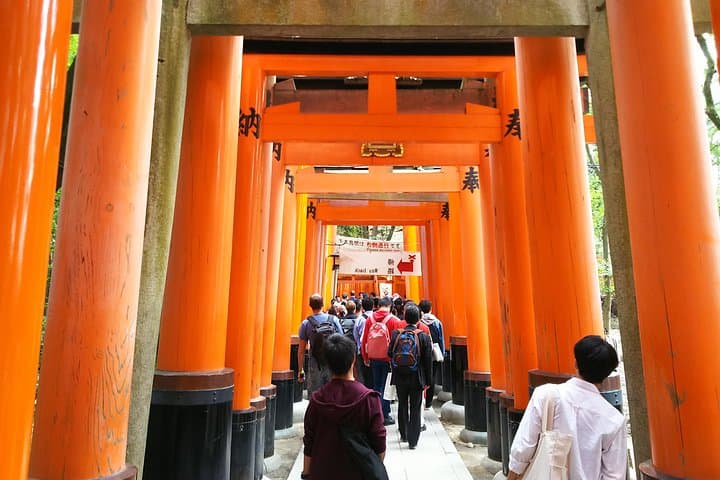
Dawn in Kyoto arrives soft and deliberate—paper lanterns dim, shop shutters lift, and the first pilgrims push through the vermilion tunnel of torii that seems to glow against the morning sky.
Verified experiences and guided adventures in the surrounding area.
Operated by KAMNAVI Tours · Kyoto, Kyoto
Dawn in Kyoto arrives soft and deliberate—paper lanterns dim, shop shutters lift, and the first pilgrims push through the vermilion tunnel of torii that seems to glow against the morning sky.
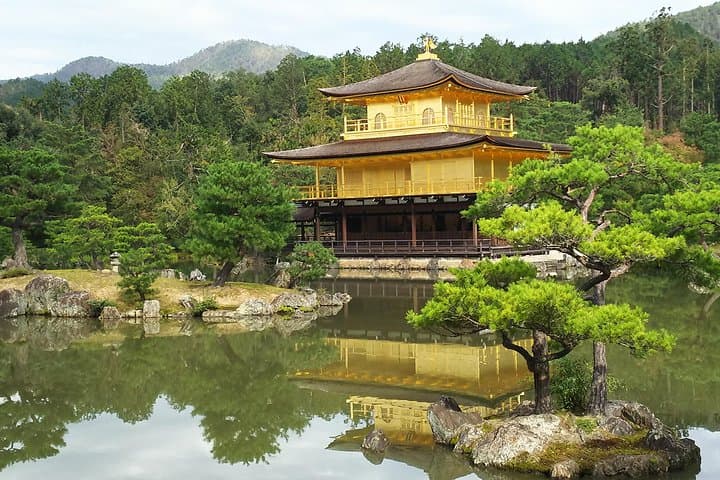
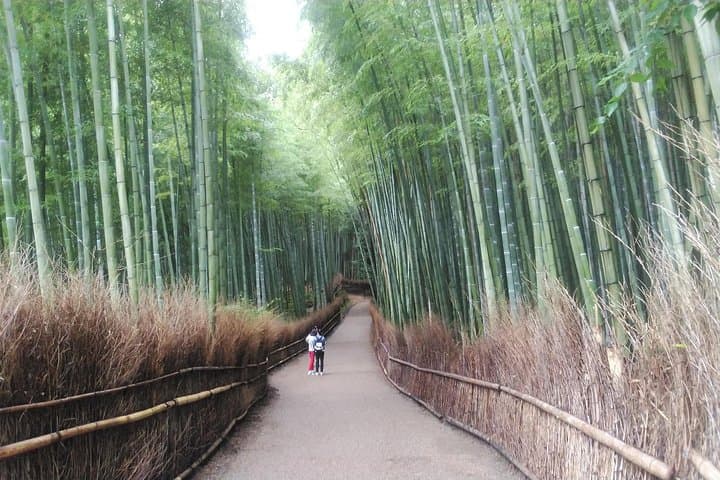
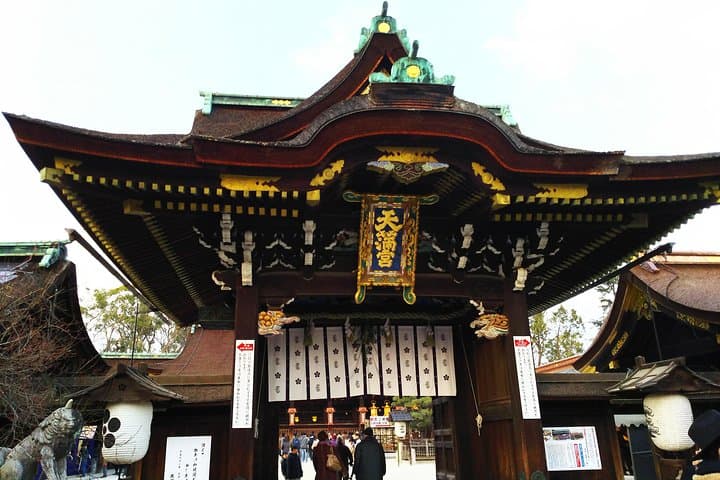
This early-riser platinum walking tour threads six signature Kyoto stops into a single, calm day: the Fushimi Inari torii tunnel, Arashiyama’s bamboo grove, Kinkaku-ji’s gilded reflection, Kitano Tenmangu Shrine, the quieter hanamachi of Kamishichiken, and Nishiki Market’s 400-year-old food corridor.
Kyoto was Japan’s imperial capital for over a millennium, and the architecture and religious sites here reflect samurai patronage, Zen landscaping, and Shinto practice. The city sits on an alluvial plain hemmed by low mountains—those slopes supply the cedar and bamboo you’ll move through, and the ponds whose koi punctuate temple reflections. Cultural notes: Kitano Tenmangu dates to the 10th century as a center for scholar-worship, while Fushimi Inari’s thousands of donated torii mark personal gratitude and commercial success over centuries.
Practical guidance: this is a full-day walking itinerary—expect mixed pavement, garden paths and short stair sections across roughly 10–12 km of movement with intermittent stops. Start early to avoid mid-day crowds and heat; bring cash for market snacks and small shrine offerings, and keep camera batteries ready—the light that first hour is unmatched.
Respect shrines (remove hats, keep voices low), use provided public-transport links between zones, and carry water and a light rain layer—Kyoto’s microclimates can shift quickly between valley and riverside.
easy.
8 hours.
Suitable for most fitness levels; you should be comfortable walking 10–12 km over varied urban and garden terrain with occasional stairs.
Meet at a central Kyoto location or your central Kyoto hotel; the tour is a loop-style private walking itinerary and returns to central Kyoto.
The tour is described as accessible, stroller- and wheelchair-friendly in parts, but it involves considerable walking and some steps—contact the operator ahead for specific accessibility needs.
This tour lists professional guide services; some sites require separate admission—confirm with the operator whether entry fees are included when booking.
Bring small local currency for Nishiki Market snacks; there are restroom and café stops during the day, and the guide will point out recommended eateries.
Kyoto was Japan’s imperial capital from 794 to 1868; many shrines and temples date to Heian and subsequent periods and reflect both Shinto and Zen influences.
High-traffic sites use visitor management—stay on paths, avoid feeding wildlife, and carry out any trash to reduce impact on fragile garden ecosystems.
KAMNAVI Tours operates guided outdoor trips and adventures with an emphasis on safety, stewardship, and memorable experiences.
Dawn in Kyoto arrives soft and deliberate—paper lanterns dim, shop shutters lift, and the first pilgrims push through the vermilion tunnel of torii that seems to glow against the morning sky.
Dawn in Kyoto arrives soft and deliberate—paper lanterns dim, shop shutters lift, and the first pilgrims push through the vermilion tunnel of torii that seems to glow against the morning sky.
This early-riser platinum walking tour threads six signature Kyoto stops into a single, calm day: the Fushimi Inari torii tunnel, Arashiyama’s bamboo grove, Kinkaku-ji’s gilded reflection, Kitano Tenmangu Shrine, the quieter hanamachi of Kamishichiken, and Nishiki Market’s 400-year-old food corridor.
Kyoto was Japan’s imperial capital for over a millennium, and the architecture and religious sites here reflect samurai patronage, Zen landscaping, and Shinto practice. The city sits on an alluvial plain hemmed by low mountains—those slopes supply the cedar and bamboo you’ll move through, and the ponds whose koi punctuate temple reflections. Cultural notes: Kitano Tenmangu dates to the 10th century as a center for scholar-worship, while Fushimi Inari’s thousands of donated torii mark personal gratitude and commercial success over centuries.
Practical guidance: this is a full-day walking itinerary—expect mixed pavement, garden paths and short stair sections across roughly 10–12 km of movement with intermittent stops. Start early to avoid mid-day crowds and heat; bring cash for market snacks and small shrine offerings, and keep camera batteries ready—the light that first hour is unmatched.
Respect shrines (remove hats, keep voices low), use provided public-transport links between zones, and carry water and a light rain layer—Kyoto’s microclimates can shift quickly between valley and riverside.