THE ADVENTURE COLLECTIVE® · Independent discovery and booking for outdoor travel

Depart Cusco at dawn for a private transfer that gets you to Rainbow Mountain ahead of the crowds. This early start offers clearer light, quieter trails, and more time to acclimatize before a challenging high-altitude hike.
Depart Cusco at dawn for a private transfer that gets you to Rainbow Mountain ahead of the crowds. This early start offers clearer light, quieter trails, and more time to acclimatize before a challenging high-altitude hike.
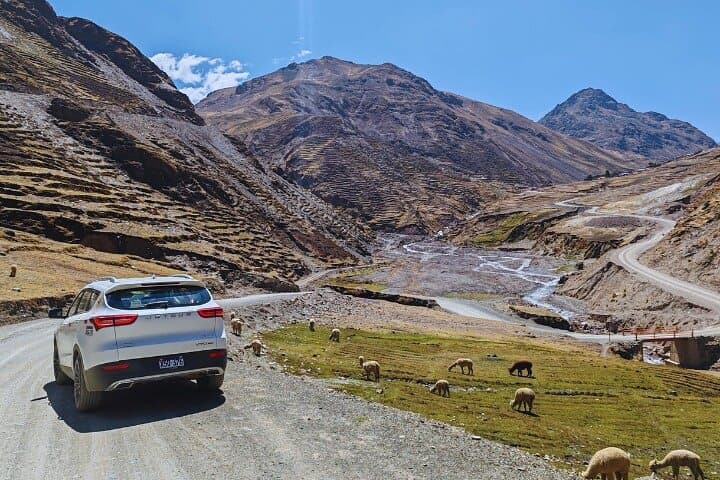
Dawn breaks over the rooftops of Cusco and the van hums out of the city, windows framing terraces of high puna and the first silver of the Andes. The road climbs; air thins and the landscape shifts to wind-scoured hills, red earth, and distant snow of the Ausangate massif. Arriving at the Vinicunca trailhead before sunrise means the mountain’s stripes glow in cleaner light and the crowds are still several kilometers behind.
Verified experiences and guided adventures in the surrounding area.
Operated by InPeruca Expeditions · Cusco, Cusco
Dawn breaks over the rooftops of Cusco and the van hums out of the city, windows framing terraces of high puna and the first silver of the Andes. The road climbs; air thins and the landscape shifts to wind-scoured hills, red earth, and distant snow of the Ausangate massif. Arriving at the Vinicunca trailhead before sunrise means the mountain’s stripes glow in cleaner light and the crowds are still several kilometers behind.
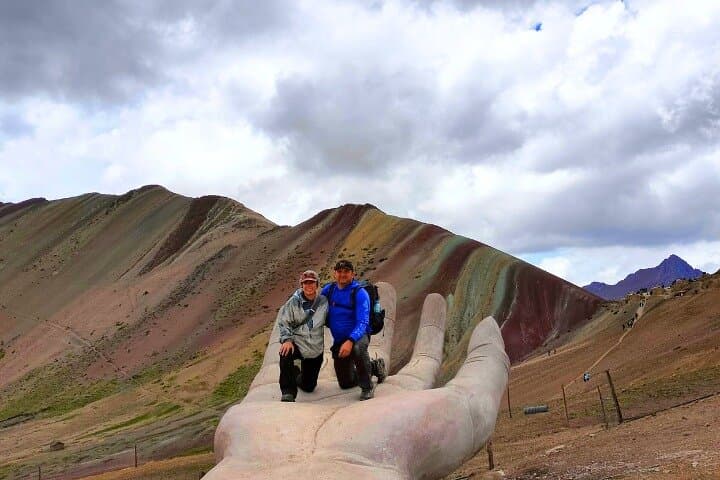
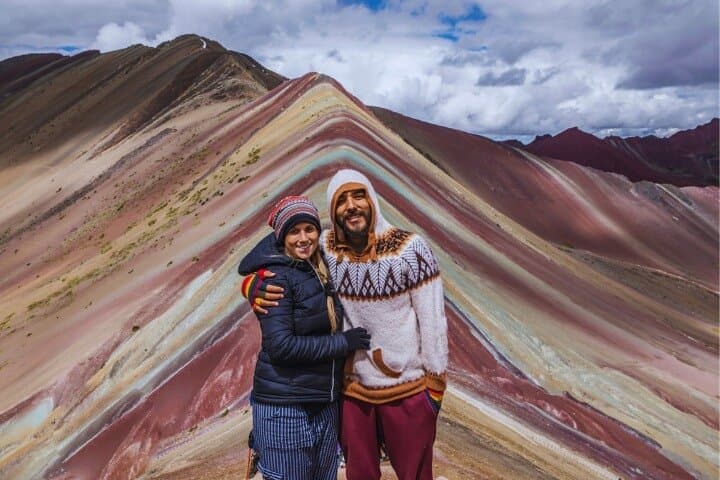
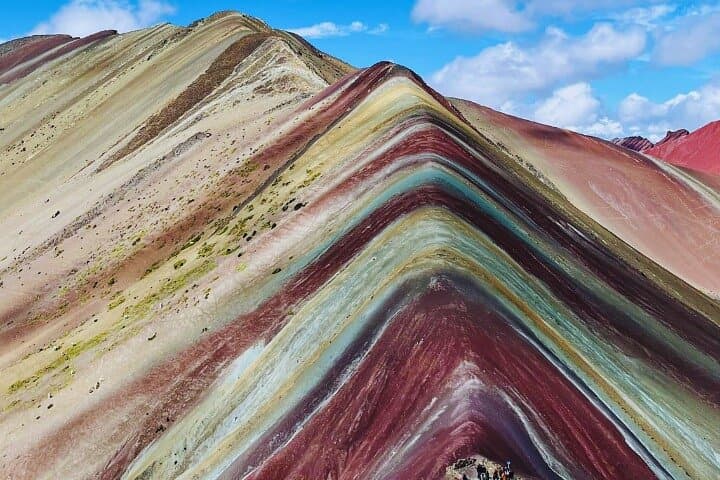
Vinicunca — commonly called Rainbow Mountain — sits on high, iron-rich slopes that weather into bands of ochre, rust, yellow and turquoise, the result of layered sedimentary and mineral deposits uplifted by Andean tectonics. The ridge lies in traditional Quechua territory: shepherds graze llamas and vicuñas, and local communities maintain pathways used for generations.
The transport-focused service gets you to the start line: bilingual drivers, blankets, bottled water and supplemental oxygen if needed. It’s not a guided hike, so plan for a 3–4 hour round-trip walk with sustained climbs above 4,800 m (15,750 ft). Expect rocky, sometimes muddy trails, sharp sun, and biting wind; the high-altitude terrain rewards steady pacing and frequent rests.
Practical guidance: acclimatize in Cusco for 48–72 hours if possible, carry layered insulation, sun protection and a reusable water bottle, and consider trekking poles for steep sections. Leave no trace—this fragile puna recovers slowly. With an early departure and a reliable transfer, you trade sleep for clear light and quieter switchbacks — and better chances to stand beneath the mountain’s stripes before the day’s procession arrives.
challenging.
6–12 hours (including transport).
Good cardiovascular fitness and prior high-altitude hiking experience recommended; expect steep sustained climbs at thin air.
Expect about 3–4 hours round trip depending on pickup point, road conditions and stops; the full experience typically takes 6–12 hours including hiking.
Yes — the transfer service provides supplemental oxygen and drivers are trained to help, but it’s not a substitute for proper acclimatization or medical attention if symptoms worsen.
No technical climbing skills are required, but you should be comfortable with sustained uphill hiking at high altitude and in variable weather.
Private transportation, bottled water, blankets, and an English-speaking driver; park entrance fees and guided hiking services are typically not included unless specified.
This high ridge lies within traditional Quechua lands near Ausangate, a mountain long revered in Andean cosmology and pastoral life.
Fragile puna vegetation and soils recover slowly; stick to established trails, avoid trampling moss and lichens, and pack out all waste.
InPeruca Expeditions operates guided outdoor trips and adventures with an emphasis on safety, stewardship, and memorable experiences.
Dawn breaks over the rooftops of Cusco and the van hums out of the city, windows framing terraces of high puna and the first silver of the Andes. The road climbs; air thins and the landscape shifts to wind-scoured hills, red earth, and distant snow of the Ausangate massif. Arriving at the Vinicunca trailhead before sunrise means the mountain’s stripes glow in cleaner light and the crowds are still several kilometers behind.
Dawn breaks over the rooftops of Cusco and the van hums out of the city, windows framing terraces of high puna and the first silver of the Andes. The road climbs; air thins and the landscape shifts to wind-scoured hills, red earth, and distant snow of the Ausangate massif. Arriving at the Vinicunca trailhead before sunrise means the mountain’s stripes glow in cleaner light and the crowds are still several kilometers behind.
Vinicunca — commonly called Rainbow Mountain — sits on high, iron-rich slopes that weather into bands of ochre, rust, yellow and turquoise, the result of layered sedimentary and mineral deposits uplifted by Andean tectonics. The ridge lies in traditional Quechua territory: shepherds graze llamas and vicuñas, and local communities maintain pathways used for generations.
The transport-focused service gets you to the start line: bilingual drivers, blankets, bottled water and supplemental oxygen if needed. It’s not a guided hike, so plan for a 3–4 hour round-trip walk with sustained climbs above 4,800 m (15,750 ft). Expect rocky, sometimes muddy trails, sharp sun, and biting wind; the high-altitude terrain rewards steady pacing and frequent rests.
Practical guidance: acclimatize in Cusco for 48–72 hours if possible, carry layered insulation, sun protection and a reusable water bottle, and consider trekking poles for steep sections. Leave no trace—this fragile puna recovers slowly. With an early departure and a reliable transfer, you trade sleep for clear light and quieter switchbacks — and better chances to stand beneath the mountain’s stripes before the day’s procession arrives.