THE ADVENTURE COLLECTIVE® · Independent discovery and booking for outdoor travel

Beat the crowds on an early-morning drive from Delhi to the Taj Mahal via the Yamuna Expressway. This full-day private tour includes monument entrance, a guided visit to Agra Fort and a buffet lunch—ideal for a punctual, low-hassle cultural day trip.
Beat the crowds on an early-morning drive from Delhi to the Taj Mahal via the Yamuna Expressway. This full-day private tour includes monument entrance, a guided visit to Agra Fort and a buffet lunch—ideal for a punctual, low-hassle cultural day trip.
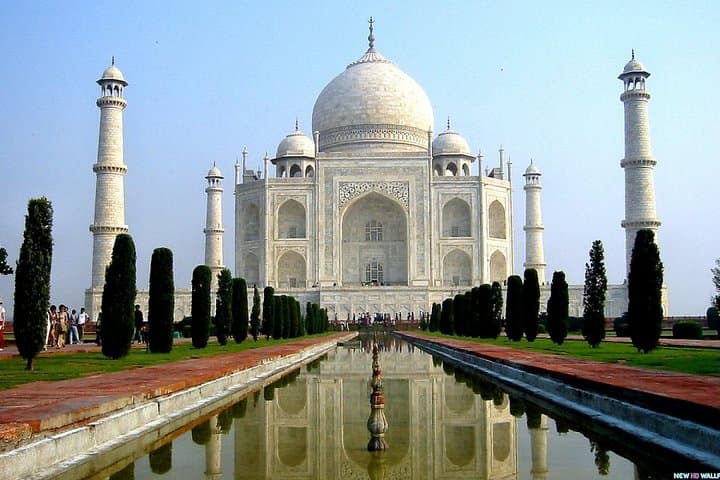
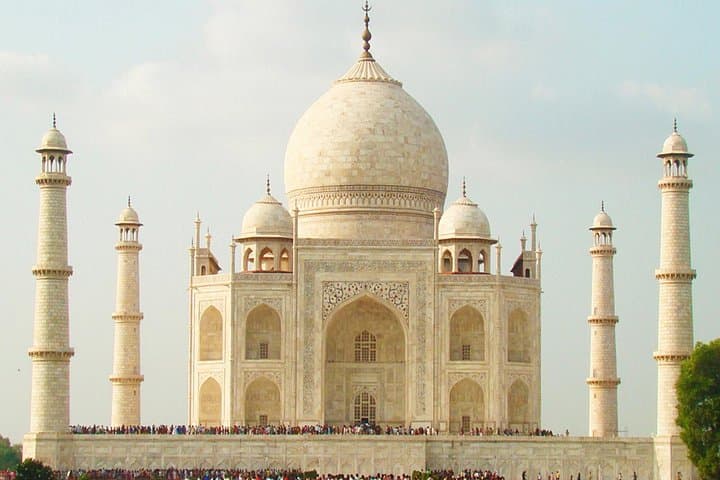
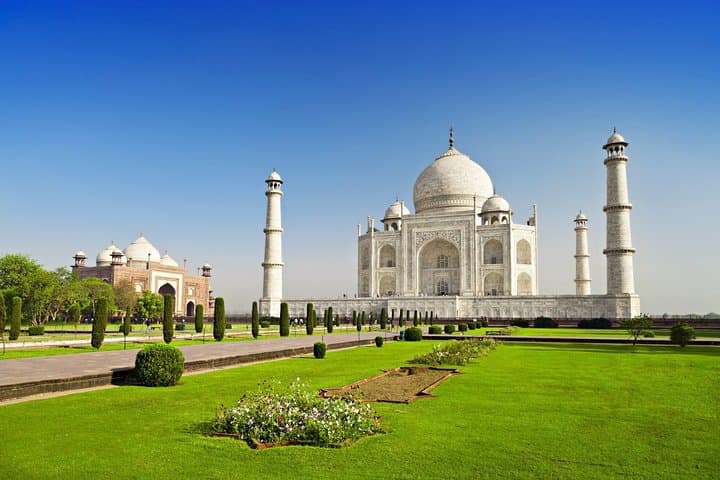
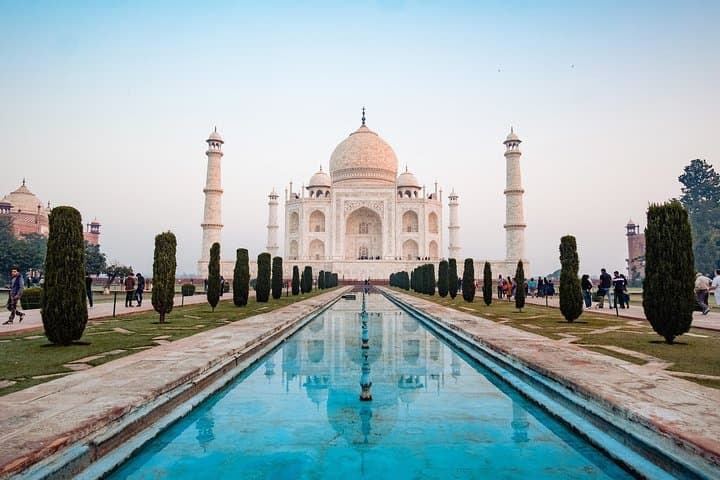
You leave Delhi before sunrise, the car cutting across the Yamuna Expressway as fields slide by and the city’s noise thins to a distant hum. By 9:00 a.m. the Taj Mahal rises into view: white marble catching the morning light, its silhouette precise against an open sky. The first approach is deliberate—gardens and reflecting pools lead you toward the mausoleum’s geometric calm.
Verified experiences and guided adventures in the surrounding area.
Operated by Creative India Holidays · Agra, Uttar Pradesh
You leave Delhi before sunrise, the car cutting across the Yamuna Expressway as fields slide by and the city’s noise thins to a distant hum. By 9:00 a.m. the Taj Mahal rises into view: white marble catching the morning light, its silhouette precise against an open sky. The first approach is deliberate—gardens and reflecting pools lead you toward the mausoleum’s geometric calm.
Built between 1631 and 1653 by Shah Jahan for Mumtaz Mahal, the Taj Mahal blends Persian, Islamic and Indian design. The site sits near the Yamuna River; its marble owes color shifts to mineral composition and seasonal light. A short drive away, the red-sandstone Agra Fort reveals Mughal military and court life, with ornate inlay and river-facing bastions that speak to strategic siting along the Yamuna.
Expect guided entry with pre-purchased tickets, a mid-day buffet in Agra, and an accessible itinerary that returns you to Delhi by evening. Practicalities: arrive early to use softer light for photos and cooler temperatures, carry ID or passport (required), and plan for security screening at both sites. Comfortable walking shoes are a must—the complex includes paved paths and steps—and sun protection matters most from March through September.
Timing, transport and a local guide turn a long day into efficient, contextualized sightseeing: a chance to see two UNESCO-listed monuments, understand Mughal patronage and architecture, and return with the logistics handled so you can focus on the view and the history it holds.
easy.
8 hours.
Suitable for travelers in regular, low-intensity fitness; involves several hundred meters of walking and some stairs.
The Taj Mahal is closed for public visitors on Fridays; plan your day trip for another weekday or weekend day.
Yes—this tour includes monument entrance tickets and a professional guide who meets you in Agra to lead the visits.
On the Yamuna Expressway the drive takes about 3 hours each way, though timings vary with traffic and pickup location.
The tour notes wheelchair accessibility and transport options; some areas have steps, so check specific accessibility needs in advance.
The Taj Mahal was commissioned by Shah Jahan after the death of his wife Mumtaz Mahal and completed in the mid-17th century; Agra Fort predates it and served as a Mughal power center.
High visitor numbers require active conservation—restrictive entry rules, timed access and waste management help protect marble and gardens.
Creative India Holidays operates guided outdoor trips and adventures with an emphasis on safety, stewardship, and memorable experiences.
You leave Delhi before sunrise, the car cutting across the Yamuna Expressway as fields slide by and the city’s noise thins to a distant hum. By 9:00 a.m. the Taj Mahal rises into view: white marble catching the morning light, its silhouette precise against an open sky. The first approach is deliberate—gardens and reflecting pools lead you toward the mausoleum’s geometric calm.
You leave Delhi before sunrise, the car cutting across the Yamuna Expressway as fields slide by and the city’s noise thins to a distant hum. By 9:00 a.m. the Taj Mahal rises into view: white marble catching the morning light, its silhouette precise against an open sky. The first approach is deliberate—gardens and reflecting pools lead you toward the mausoleum’s geometric calm.
Built between 1631 and 1653 by Shah Jahan for Mumtaz Mahal, the Taj Mahal blends Persian, Islamic and Indian design. The site sits near the Yamuna River; its marble owes color shifts to mineral composition and seasonal light. A short drive away, the red-sandstone Agra Fort reveals Mughal military and court life, with ornate inlay and river-facing bastions that speak to strategic siting along the Yamuna.
Expect guided entry with pre-purchased tickets, a mid-day buffet in Agra, and an accessible itinerary that returns you to Delhi by evening. Practicalities: arrive early to use softer light for photos and cooler temperatures, carry ID or passport (required), and plan for security screening at both sites. Comfortable walking shoes are a must—the complex includes paved paths and steps—and sun protection matters most from March through September.
Timing, transport and a local guide turn a long day into efficient, contextualized sightseeing: a chance to see two UNESCO-listed monuments, understand Mughal patronage and architecture, and return with the logistics handled so you can focus on the view and the history it holds.