THE ADVENTURE COLLECTIVE® · Independent discovery and booking for outdoor travel

A private, early-morning day trip from Delhi that pairs the ornate Mughal courts of Agra Fort with the sunrise glow of the Taj Mahal. Ideal for photographers and history-minded travelers who want a full-day cultural immersion with a single, well-paced itinerary.
A private, early-morning day trip from Delhi that pairs the ornate Mughal courts of Agra Fort with the sunrise glow of the Taj Mahal. Ideal for photographers and history-minded travelers who want a full-day cultural immersion with a single, well-paced itinerary.
Before dawn the highway loosens traffic into a steady ribbon and the Yamuna appears as a dark mirror beside the Taj's silhouette. Arriving early is a practical choice and a sensory reward: cool air, long shadows, and the marble glow that changes as the sun rises.
Verified experiences and guided adventures in the surrounding area.
Operated by Masterji kee haveli dot com · Agra, Uttar Pradesh
Before dawn the highway loosens traffic into a steady ribbon and the Yamuna appears as a dark mirror beside the Taj's silhouette. Arriving early is a practical choice and a sensory reward: cool air, long shadows, and the marble glow that changes as the sun rises.
This private same-day tour moves through two chapters of Mughal India. Agra Fort, a fortified palace complex of red sandstone, was the imperial seat before the capital shifted to Delhi; the Taj Mahal—white marble raised by Shah Jahan for Mumtaz Mahal—stands across the river, built from Makrana marble and inlaid with pietra dura. Beyond the monuments, the city carries craft traditions: marble inlay, carpet weaving and street-side tandoor cooking.
Expect guided interpretation, short walks across formal gardens, and security screening at both sites. The drive from Delhi is long—plan for early pickup and variable traffic on the Yamuna Expressway. Photography is best at first light from the Taj's eastern gate or from Mehtab Bagh across the river for a quieter composition. Wear sturdy walking shoes: surfaces include paved paths, uneven stone steps and sometimes dusty lanes.
Practical tips: carry a reusable water bottle, layer for morning chill, pack small rupee notes for local stalls, and confirm whether entry tickets are included. The experience feels like a concentrated history lesson set between architecture and river landscapes—fast paced, culturally rich, and deeply photographic if timed right.
moderate.
10–12 hours.
Suitable for travelers in average fitness; involves several short walks and stair sections
No—this itinerary lists admissions as not included; confirm with the operator before departure and carry funds for ticket purchase.
Expect roughly 3–4 hours each way depending on traffic and route (Yamuna Expressway is faster under normal conditions).
Children are welcome but must be accompanied by adults; both sites include stairs and uneven terrain—ask about wheelchair access and vehicle drop-off points when booking.
Yes—operators often offer optional stops like Itmad-ud-Daulah (the 'Baby Taj') or Mehtab Bagh at no extra charge; confirm availability in advance.
Agra rose to prominence under the Mughals; Shah Jahan's 17th-century projects—the Taj and expansions at Agra Fort—reflect imperial tastes and evolving craftsmanship.
The Taj's marble is subject to pollution and tourist wear; responsible tourism, limiting plastic and following site regulations, helps ongoing preservation efforts.
Masterji kee haveli dot com operates guided outdoor trips and adventures with an emphasis on safety, stewardship, and memorable experiences.
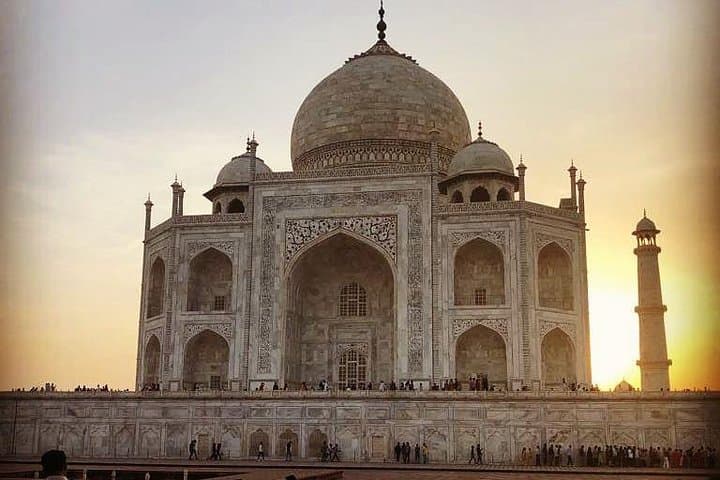
Before dawn the highway loosens traffic into a steady ribbon and the Yamuna appears as a dark mirror beside the Taj's silhouette. Arriving early is a practical choice and a sensory reward: cool air, long shadows, and the marble glow that changes as the sun rises.
Before dawn the highway loosens traffic into a steady ribbon and the Yamuna appears as a dark mirror beside the Taj's silhouette. Arriving early is a practical choice and a sensory reward: cool air, long shadows, and the marble glow that changes as the sun rises.
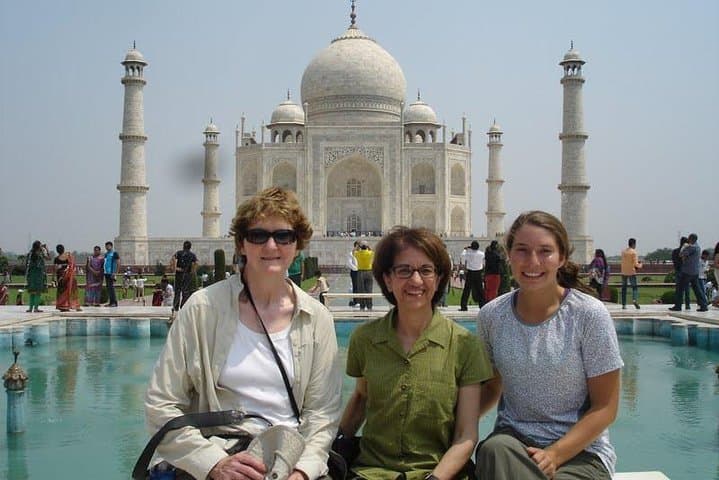
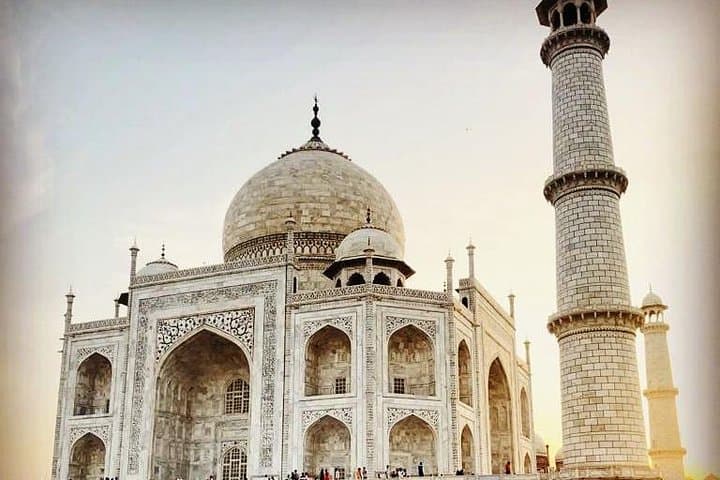
This private same-day tour moves through two chapters of Mughal India. Agra Fort, a fortified palace complex of red sandstone, was the imperial seat before the capital shifted to Delhi; the Taj Mahal—white marble raised by Shah Jahan for Mumtaz Mahal—stands across the river, built from Makrana marble and inlaid with pietra dura. Beyond the monuments, the city carries craft traditions: marble inlay, carpet weaving and street-side tandoor cooking.
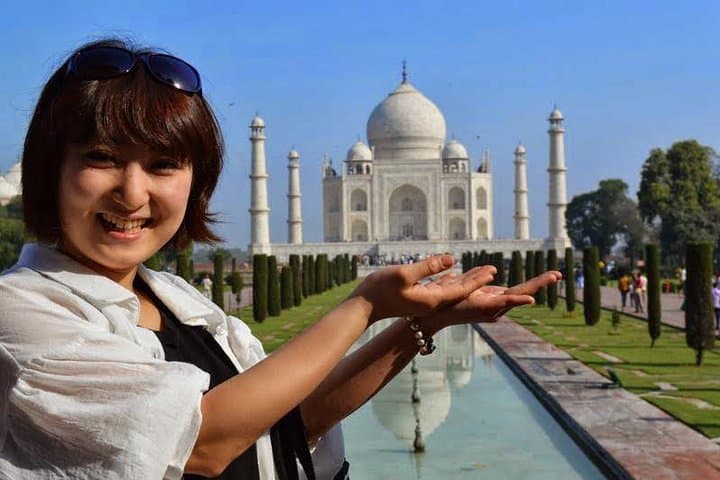
Expect guided interpretation, short walks across formal gardens, and security screening at both sites. The drive from Delhi is long—plan for early pickup and variable traffic on the Yamuna Expressway. Photography is best at first light from the Taj's eastern gate or from Mehtab Bagh across the river for a quieter composition. Wear sturdy walking shoes: surfaces include paved paths, uneven stone steps and sometimes dusty lanes.
Practical tips: carry a reusable water bottle, layer for morning chill, pack small rupee notes for local stalls, and confirm whether entry tickets are included. The experience feels like a concentrated history lesson set between architecture and river landscapes—fast paced, culturally rich, and deeply photographic if timed right.