THE ADVENTURE COLLECTIVE® · Independent discovery and booking for outdoor travel

Leave Cusco before dawn for an 11-hour outing to Rainbow Mountain (Vinicunca). This high-altitude day hike offers dramatic mineral-striped slopes, Inca-era scenery, and a brisk climb above 5,000 meters—best for those who arrive acclimatized and ready for a challenging, rewarding day.
Leave Cusco before dawn for an 11-hour outing to Rainbow Mountain (Vinicunca). This high-altitude day hike offers dramatic mineral-striped slopes, Inca-era scenery, and a brisk climb above 5,000 meters—best for those who arrive acclimatized and ready for a challenging, rewarding day.
Before first light the van hums away from Cusco, headlights cutting through high-Andean air as small villages slip past. By the time the sky softens, the trailhead at Phulawasipata is a cold, wind-swept field and the mountain’s stripes are a distant promise. The first steps bite with altitude; the landscape answers in open puna, herds of llamas, and winds that push you toward the ridge.
Verified experiences and guided adventures in the surrounding area.
Operated by Illa Kuntur Travel Agency · Cusco, Cusco
Before first light the van hums away from Cusco, headlights cutting through high-Andean air as small villages slip past. By the time the sky softens, the trailhead at Phulawasipata is a cold, wind-swept field and the mountain’s stripes are a distant promise. The first steps bite with altitude; the landscape answers in open puna, herds of llamas, and winds that push you toward the ridge.
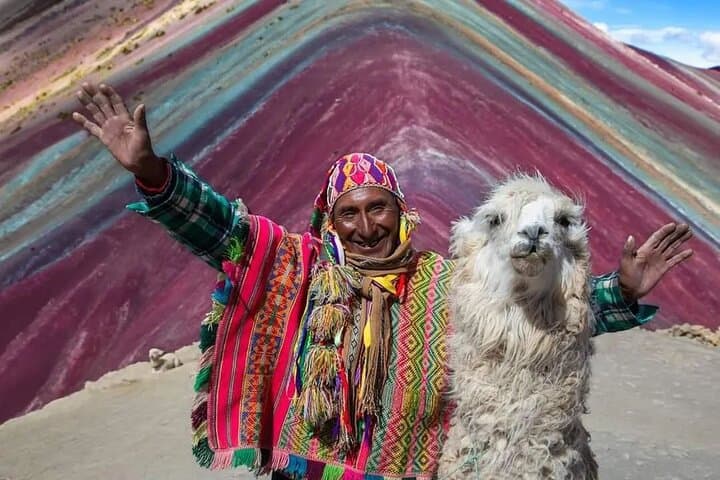
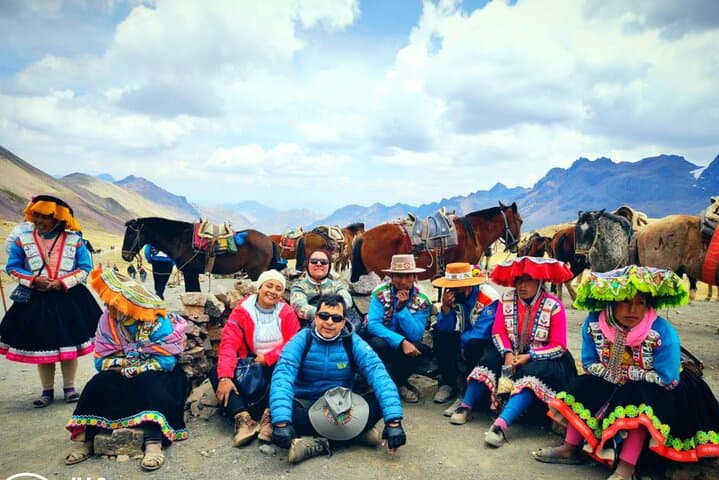
Geology here is legible from a distance: oxidized minerals and stratified sediment have painted the slope in ochres, cinnabars, and turquoise. The site sits on the leeward flank of Ausangate and overlays sediments uplifted by tectonic pressure over millennia. Culturally the route threads Quechua farmland and Inca-era terraces—farmers still herd camelids and maintain mountain passes that have guided locals for centuries.
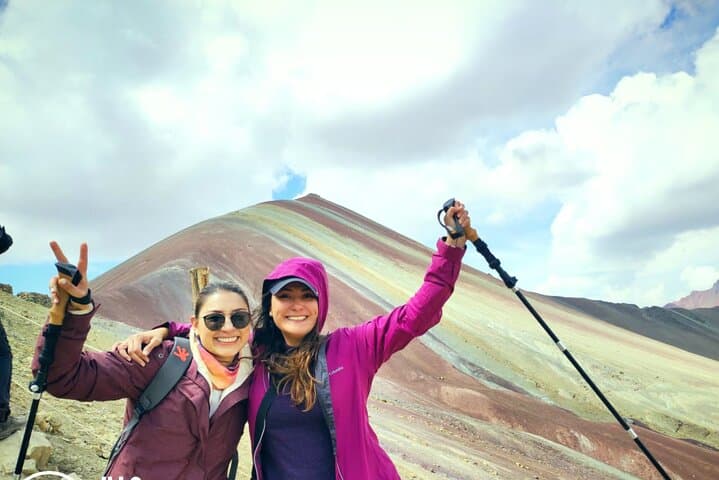
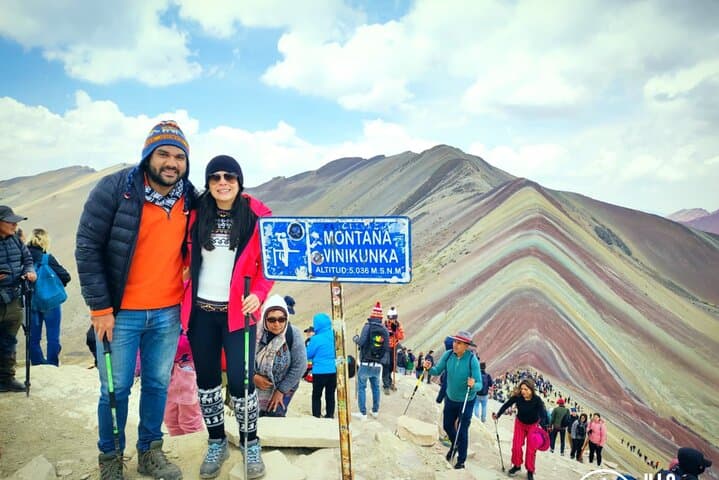
Expect steep switchbacks, loose scree near the summit, and thinner air above 5,000 m; the ascent to the summit area takes roughly 1–2 hours from the trailhead depending on fitness and acclimatization. Guides usually include breakfast, lunch, water, trekking poles, and first aid; entry fee and private transport are typically covered. Start very early to avoid crowds and strong afternoon winds; dress in breathable layers, carry at least 2 liters of water, and pace uphill to guard against altitude sickness.
This is a day of high-contrast rewards: stark puna, bright bands of mineral rock, and wide sky. For travelers who’ve rested in Cusco and respect the altitude, it’s a compact, uncompromising slice of the high Andes.
challenging.
10–11 hours.
Good cardiovascular fitness and prior high-altitude hiking experience recommended; be comfortable hiking steep sections and managing short breath at elevation.
From the Phulawasipata trailhead the uphill walk to the summit area ranges from 1 to 2 hours depending on pace and acclimatization; expect additional time to explore and return.
Yes—altitude above 5,000 m can cause symptoms; acclimatize in Cusco, drink water, ascend slowly, and inform the guide of any issues immediately.
Most operators include private transport, breakfast, lunch, drinking water, entrance fee, and trekking poles; check your booking details for specifics.
Dry season months (May–September) offer clearer skies and firmer trails, though mornings are cold—operators run tours year-round with varying conditions.
The route passes agricultural terraces and grazing land shaped by pre-Columbian communities; locals continue traditional herding and crop practices tied to the high-Andean calendar.
Heavy foot traffic has eroded sections of trail and stressed pastures; stick to established paths, pack out waste, and support local guides who invest in trail maintenance.
Illa Kuntur Travel Agency operates guided outdoor trips and adventures with an emphasis on safety, stewardship, and memorable experiences.
Before first light the van hums away from Cusco, headlights cutting through high-Andean air as small villages slip past. By the time the sky softens, the trailhead at Phulawasipata is a cold, wind-swept field and the mountain’s stripes are a distant promise. The first steps bite with altitude; the landscape answers in open puna, herds of llamas, and winds that push you toward the ridge.
Before first light the van hums away from Cusco, headlights cutting through high-Andean air as small villages slip past. By the time the sky softens, the trailhead at Phulawasipata is a cold, wind-swept field and the mountain’s stripes are a distant promise. The first steps bite with altitude; the landscape answers in open puna, herds of llamas, and winds that push you toward the ridge.
Geology here is legible from a distance: oxidized minerals and stratified sediment have painted the slope in ochres, cinnabars, and turquoise. The site sits on the leeward flank of Ausangate and overlays sediments uplifted by tectonic pressure over millennia. Culturally the route threads Quechua farmland and Inca-era terraces—farmers still herd camelids and maintain mountain passes that have guided locals for centuries.
Expect steep switchbacks, loose scree near the summit, and thinner air above 5,000 m; the ascent to the summit area takes roughly 1–2 hours from the trailhead depending on fitness and acclimatization. Guides usually include breakfast, lunch, water, trekking poles, and first aid; entry fee and private transport are typically covered. Start very early to avoid crowds and strong afternoon winds; dress in breathable layers, carry at least 2 liters of water, and pace uphill to guard against altitude sickness.
This is a day of high-contrast rewards: stark puna, bright bands of mineral rock, and wide sky. For travelers who’ve rested in Cusco and respect the altitude, it’s a compact, uncompromising slice of the high Andes.