THE ADVENTURE COLLECTIVE® · Independent discovery and booking for outdoor travel

Set out from Cusco before dawn to reach Vinicunca (Rainbow Mountain) at first light—an all-day high‑altitude hike across mineral-striped slopes. This guide covers what to expect physically, culturally, and practically for a safe, rewarding day trip.
Set out from Cusco before dawn to reach Vinicunca (Rainbow Mountain) at first light—an all-day high‑altitude hike across mineral-striped slopes. This guide covers what to expect physically, culturally, and practically for a safe, rewarding day trip.
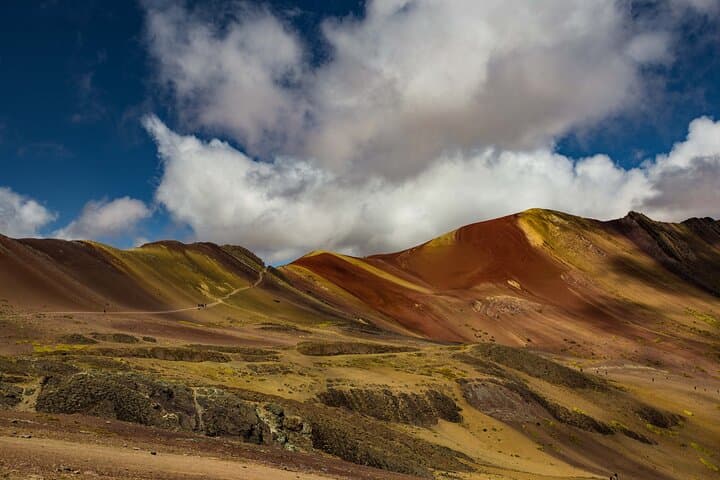
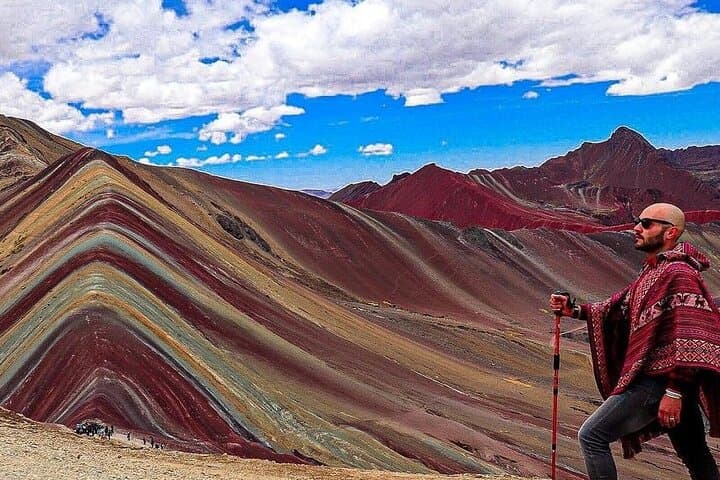
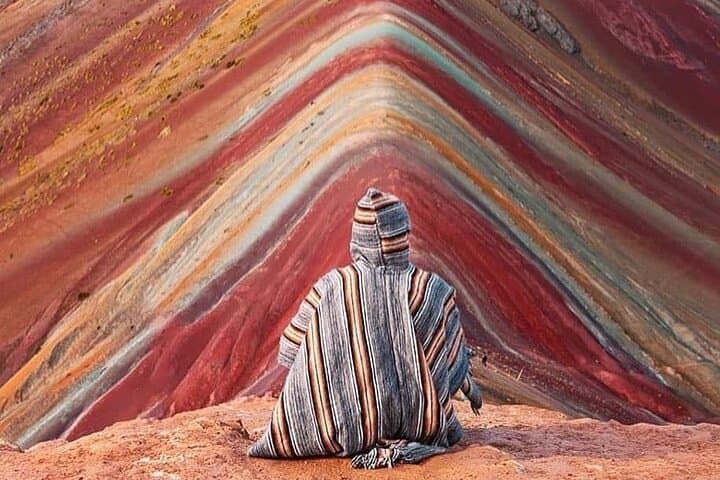
You start before dawn in Cusco, the bus headlights cutting through cold mountain air as the road climbs toward the high puna. By the time the first pale light touches the slopes, the contours of multicolored strata begin to appear—rust, ochre, and mint bands that make the ridge read like a painted page. The guide gathers the group, checks packs and oxygen, and the hike begins from the village of Phulawasipata.
Verified experiences and guided adventures in the surrounding area.
Operated by Viajes Speedy Tour Operator · Cusco, Cusco
You start before dawn in Cusco, the bus headlights cutting through cold mountain air as the road climbs toward the high puna. By the time the first pale light touches the slopes, the contours of multicolored strata begin to appear—rust, ochre, and mint bands that make the ridge read like a painted page. The guide gathers the group, checks packs and oxygen, and the hike begins from the village of Phulawasipata.
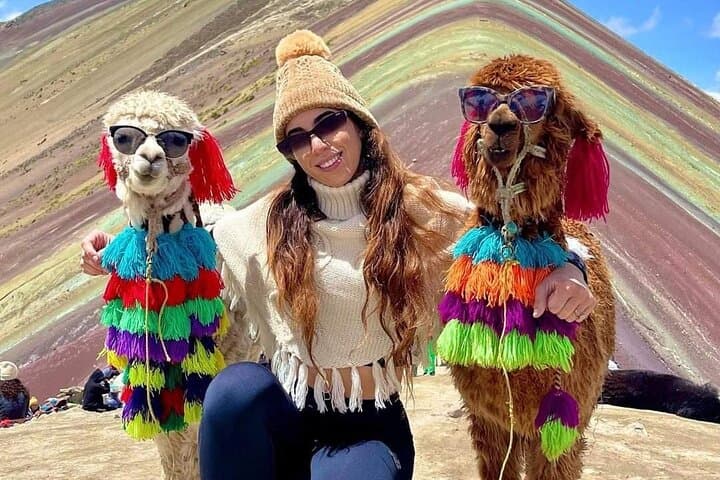
The mountain’s colors come from mineral deposits—iron oxides, clay, and copper salts—laid down and uplifted by the same tectonic forces that formed the Andes and sculpted nearby Ausangate, a glacier-capped peak long regarded as sacred by Quechua communities. Villagers still herd llamas and alpacas on the slopes and sell coca tea and snacks at the summit. Modern roadside art like the “Hand of God” viewpoint is a recent, community-made addition that frames Ausangate and the glacial mirrors below.
Practically, this is a high-altitude day hike: expect thin air, stony trails, and open exposure. The itinerary commonly includes hotel pickup at 4:00 a.m., a buffet breakfast in Cusipata, a 2-hour uphill trek to the viewpoint at ~5,000 m (16,400–17,000 ft), roughly one hour at the summit for photos, then return and lunch before driving back to Cusco.
Bring layered clothing, sun protection, water, cash for vendors, and allow time to acclimatize in Cusco beforehand. Pace conservatively on the ascent—this is as much a test of altitude management as of fitness—and treat the landscape with respect: stay on paths, pack out waste, and let the llamas keep their distance.
challenging.
10–12 hours (full day, including travel).
Good cardiovascular fitness recommended; ability to hike 2 hours uphill at high altitude.
The typical viewpoint is around 5,000 m (about 16,400–17,000 ft), so expect thinner air and colder temperatures than in Cusco.
Horses can be rented locally at additional cost for parts of the route, but riders still need reasonable fitness and should discuss limits with the handler due to altitude.
Pickup is usually around 4:00 a.m. in Cusco, with a full‑day schedule returning in the late afternoon; total duration is about 10–12 hours including travel.
Yes—bring at least 1–2 liters of water and snacks; the tour includes breakfast and lunch but on‑trail purchases may be limited.
The Ausangate massif and surrounding valleys are significant in Quechua cosmology; local herding and weaving traditions remain part of daily life.
The high puna is ecologically fragile—stick to trails, avoid littering, and support local guides who work with communities to manage visitation.
Viajes Speedy Tour Operator operates guided outdoor trips and adventures with an emphasis on safety, stewardship, and memorable experiences.
You start before dawn in Cusco, the bus headlights cutting through cold mountain air as the road climbs toward the high puna. By the time the first pale light touches the slopes, the contours of multicolored strata begin to appear—rust, ochre, and mint bands that make the ridge read like a painted page. The guide gathers the group, checks packs and oxygen, and the hike begins from the village of Phulawasipata.
You start before dawn in Cusco, the bus headlights cutting through cold mountain air as the road climbs toward the high puna. By the time the first pale light touches the slopes, the contours of multicolored strata begin to appear—rust, ochre, and mint bands that make the ridge read like a painted page. The guide gathers the group, checks packs and oxygen, and the hike begins from the village of Phulawasipata.
The mountain’s colors come from mineral deposits—iron oxides, clay, and copper salts—laid down and uplifted by the same tectonic forces that formed the Andes and sculpted nearby Ausangate, a glacier-capped peak long regarded as sacred by Quechua communities. Villagers still herd llamas and alpacas on the slopes and sell coca tea and snacks at the summit. Modern roadside art like the “Hand of God” viewpoint is a recent, community-made addition that frames Ausangate and the glacial mirrors below.
Practically, this is a high-altitude day hike: expect thin air, stony trails, and open exposure. The itinerary commonly includes hotel pickup at 4:00 a.m., a buffet breakfast in Cusipata, a 2-hour uphill trek to the viewpoint at ~5,000 m (16,400–17,000 ft), roughly one hour at the summit for photos, then return and lunch before driving back to Cusco.
Bring layered clothing, sun protection, water, cash for vendors, and allow time to acclimatize in Cusco beforehand. Pace conservatively on the ascent—this is as much a test of altitude management as of fitness—and treat the landscape with respect: stay on paths, pack out waste, and let the llamas keep their distance.