THE ADVENTURE COLLECTIVE® · Independent discovery and booking for outdoor travel

See pandas at their most active in the early morning, then travel to the monumental Leshan Giant Buddha with private transfers to reduce wait times. This full-day tour pairs conservation-focused wildlife viewing with Tang Dynasty stone carving history.
See pandas at their most active in the early morning, then travel to the monumental Leshan Giant Buddha with private transfers to reduce wait times. This full-day tour pairs conservation-focused wildlife viewing with Tang Dynasty stone carving history.
You step out before the city stirs, the van cutting through Sichuan's soft morning light toward the panda base where black-and-white giants pad through bamboo as if testing the day. The guide leads you to a quieter viewing platform; the animals move with deliberate appetite and occasional play, red pandas flicking like small, fiery shadows higher in the branches.
Verified experiences and guided adventures in the surrounding area.
Operated by You Fun Travel · Chengdu, Sichuan
You step out before the city stirs, the van cutting through Sichuan's soft morning light toward the panda base where black-and-white giants pad through bamboo as if testing the day. The guide leads you to a quieter viewing platform; the animals move with deliberate appetite and occasional play, red pandas flicking like small, fiery shadows higher in the branches.
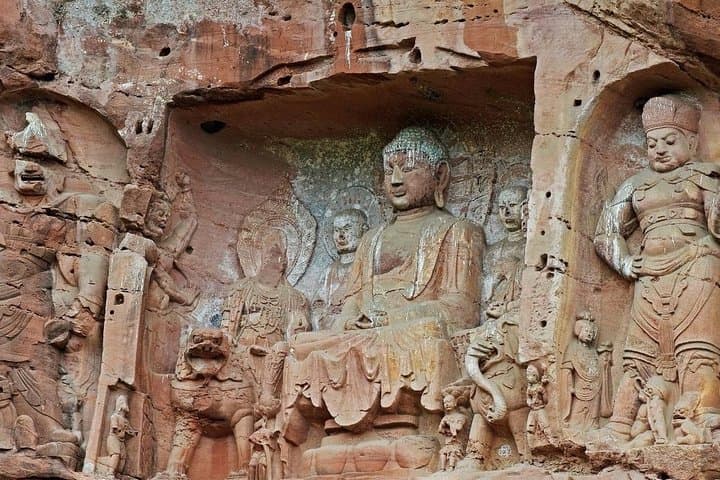
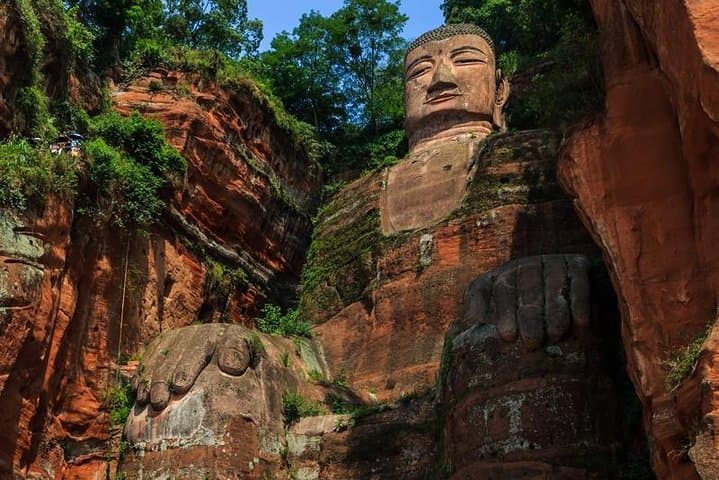
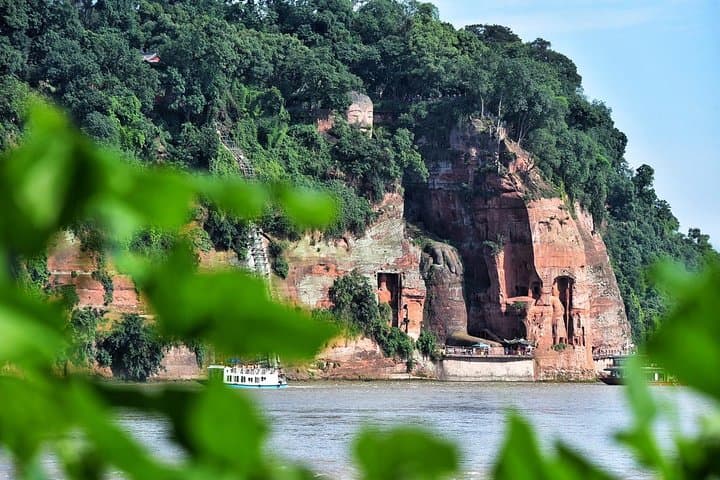
After the base, the drive south follows river valleys toward Leshan, where the cliff face opens onto the Minjiang and Dadu rivers. The Leshan Giant Buddha sits at the confluence, carved from the Tang Dynasty cliffs between 713 and 803 CE. The scale is quiet and direct — a 71-meter seated Maitreya whose gutters and carved drainage show early engineers’ cleverness against erosion. Culturally, the route ties Chengdu’s conservation work to centuries of Buddhist pilgrimage and river commerce.
Practical guidance: arrive at the panda reserve at opening for the most active sightings and shorter crowds; mornings are best for both panda feedings and softer light for photos. At Leshan, a short boat ride offers a close, unobstructed view without the steep stairs; walking routes give different vantage points but require steady footing. Bring a lightweight rain layer — river weather changes fast — and a daypack with water, snacks, and passport if booking entrance tickets. Expect an 8–10 hour day with private transfers that minimize waiting but still include walking and standing. Respect enclosures, don’t feed animals, and allow extra time during public holidays when queues can lengthen. This itinerary pairs wildlife viewing with a major cultural landmark for a full-day immersion in Sichuan’s natural and historical rhythms.
easy.
8–10 hours.
Suitable for most fitness levels; expect several short walks, stairs at viewpoints, and up to two hours standing.
Typical duration is 8–10 hours and includes private transfers, entrance fees to the Panda Base and Leshan Giant Buddha (boat option included if selected), lunch, and an English-speaking guide.
Viewing platforms at the Chengdu panda base allow close, non-contact observation; actual proximity varies by animal behavior and enclosure rules — feeding times increase activity.
Not necessary, but recommended during busy periods or for those who prefer minimal stair-climbing; the boat provides an excellent frontal view and easier access.
Yes — the tour is rated easy for fitness levels and infant seats can be provided, but consider long travel time and potential queues when planning with young children.
The Leshan Giant Buddha was carved between 713 and 803 CE during the Tang Dynasty to calm turbulent river currents and has stood for over twelve centuries as a major pilgrimage site.
Chengdu’s research base focuses on captive breeding and public education to raise panda birth rates; visitors are asked to avoid feeding or touching wildlife and to follow marked paths to reduce habitat disturbance.
You Fun Travel operates guided outdoor trips and adventures with an emphasis on safety, stewardship, and memorable experiences.

You step out before the city stirs, the van cutting through Sichuan's soft morning light toward the panda base where black-and-white giants pad through bamboo as if testing the day. The guide leads you to a quieter viewing platform; the animals move with deliberate appetite and occasional play, red pandas flicking like small, fiery shadows higher in the branches.
You step out before the city stirs, the van cutting through Sichuan's soft morning light toward the panda base where black-and-white giants pad through bamboo as if testing the day. The guide leads you to a quieter viewing platform; the animals move with deliberate appetite and occasional play, red pandas flicking like small, fiery shadows higher in the branches.
After the base, the drive south follows river valleys toward Leshan, where the cliff face opens onto the Minjiang and Dadu rivers. The Leshan Giant Buddha sits at the confluence, carved from the Tang Dynasty cliffs between 713 and 803 CE. The scale is quiet and direct — a 71-meter seated Maitreya whose gutters and carved drainage show early engineers’ cleverness against erosion. Culturally, the route ties Chengdu’s conservation work to centuries of Buddhist pilgrimage and river commerce.
Practical guidance: arrive at the panda reserve at opening for the most active sightings and shorter crowds; mornings are best for both panda feedings and softer light for photos. At Leshan, a short boat ride offers a close, unobstructed view without the steep stairs; walking routes give different vantage points but require steady footing. Bring a lightweight rain layer — river weather changes fast — and a daypack with water, snacks, and passport if booking entrance tickets. Expect an 8–10 hour day with private transfers that minimize waiting but still include walking and standing. Respect enclosures, don’t feed animals, and allow extra time during public holidays when queues can lengthen. This itinerary pairs wildlife viewing with a major cultural landmark for a full-day immersion in Sichuan’s natural and historical rhythms.