THE ADVENTURE COLLECTIVE® · Independent discovery and booking for outdoor travel

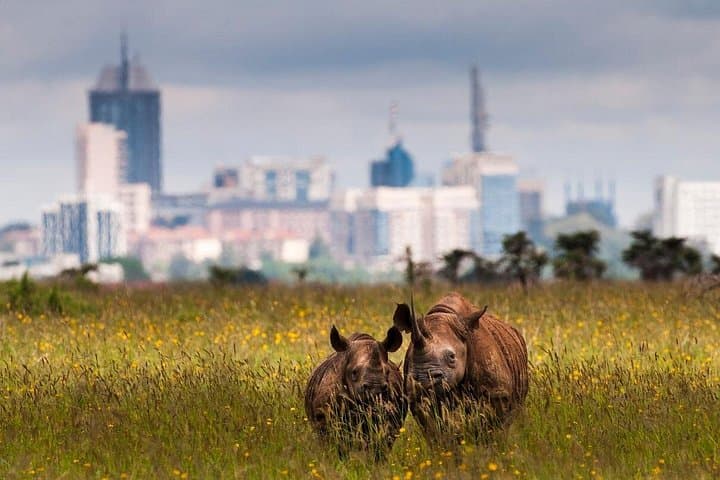
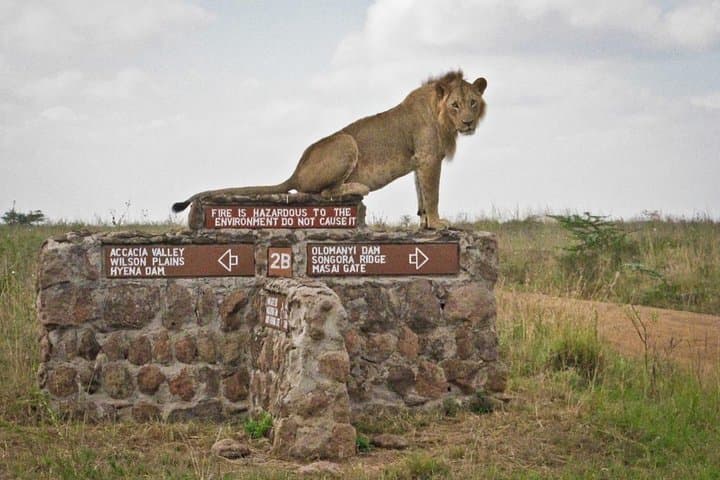
Swap Nairobi traffic for close-up wildlife at sunrise on a half-day mini safari. This early-morning game drive hits key habitats in Kenya’s first national park and offers high chances to see rhinos, lions, giraffes, and rich birdlife within easy reach of the city.
Swap Nairobi traffic for close-up wildlife at sunrise on a half-day mini safari. This early-morning game drive hits key habitats in Kenya’s first national park and offers high chances to see rhinos, lions, giraffes, and rich birdlife within easy reach of the city.
The van eases out of Nairobi before dawn, the city lights dimming as acacia silhouettes sharpen against a pale sky. Within 20 minutes the concrete gives way to scrub and the pop-up roof clicks open—sudden, close-up sightings arrive with the golden hour: impala grazing, a tower of giraffes chewing the air, and the skyline of Nairobi watching from a distance like a polite neighbor.
Verified experiences and guided adventures in the surrounding area.
Operated by Perfect Safaris · Nairobi, Nairobi County
The van eases out of Nairobi before dawn, the city lights dimming as acacia silhouettes sharpen against a pale sky. Within 20 minutes the concrete gives way to scrub and the pop-up roof clicks open—sudden, close-up sightings arrive with the golden hour: impala grazing, a tower of giraffes chewing the air, and the skyline of Nairobi watching from a distance like a polite neighbor.
Nairobi National Park was set aside in 1945 as Kenya’s first national park. Covering about 117 square kilometers (roughly 44 square miles), the park supports over 80 mammal species and an extraordinary bird list—more species than the British Isles. Geologically it’s a flat grassland punctuated by kopjes and riverine corridors such as the Mbagathi, which animals use as lifelines during the dry months.
Culturally the park is unique: it’s a working wildlife refuge at the edge of a capital city, and conservation here is visible—rhino protection enclosures and community outreach programs are part of the landscape.
Practical guidance: tours typically start around 6:00 AM with pickup in Nairobi CBD and use safari vans with pop-up roofs for unobstructed viewing. Bring layers for cool mornings, binoculars, and a camera with a zoom. Respect guide distance recommendations—do not feed or approach wildlife. Expect 3–5 hours in the park depending on traffic and sightings; entrance fees and bottled water are often included. Morning light favors predator activity and bird song, so early departures maximize sightings. Finally, pack out what you pack in—urban pressures mean your low-impact visit supports ongoing conservation.
easy.
4–6 hours.
Minimal fitness required—mostly sitting in a vehicle with occasional short walks to viewpoints.
Pickups usually begin around 6:00 AM with about 3–4 hours spent inside the park and total outing time of roughly 4–6 hours including transfers.
Sightings can’t be guaranteed, but early-morning drives maximize chances; rhinos are protected in sanctuary areas and lions are often seen near river corridors.
Yes—vehicles are designed for easy entry and the experience is suitable for most fitness levels; infant seats can be provided on request.
Many operators include entrance fees, bottled water, and hotel pickup/drop-off; check the booking details to confirm inclusions.
Established in 1945 as Kenya’s first national park, Nairobi National Park was created to safeguard wildlife even as the city expanded around it.
Urban development and fencing pressure habitat; responsible visits and funding support anti-poaching, rhino protection enclosures, and community conservation programs.
Perfect Safaris operates guided outdoor trips and adventures with an emphasis on safety, stewardship, and memorable experiences.
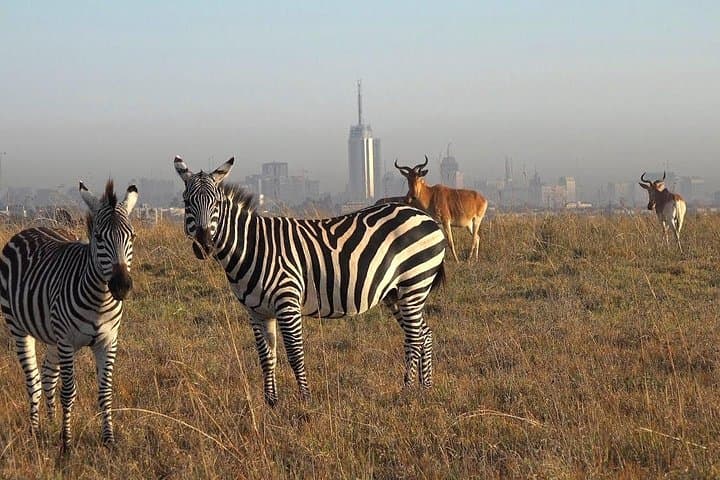
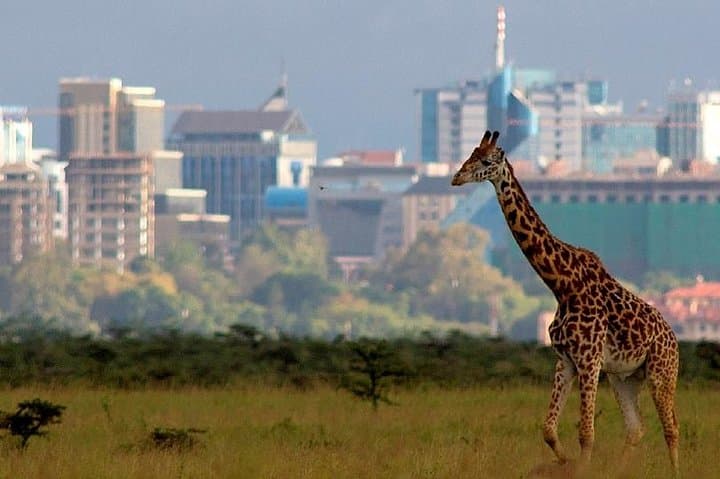
The van eases out of Nairobi before dawn, the city lights dimming as acacia silhouettes sharpen against a pale sky. Within 20 minutes the concrete gives way to scrub and the pop-up roof clicks open—sudden, close-up sightings arrive with the golden hour: impala grazing, a tower of giraffes chewing the air, and the skyline of Nairobi watching from a distance like a polite neighbor.
The van eases out of Nairobi before dawn, the city lights dimming as acacia silhouettes sharpen against a pale sky. Within 20 minutes the concrete gives way to scrub and the pop-up roof clicks open—sudden, close-up sightings arrive with the golden hour: impala grazing, a tower of giraffes chewing the air, and the skyline of Nairobi watching from a distance like a polite neighbor.
Nairobi National Park was set aside in 1945 as Kenya’s first national park. Covering about 117 square kilometers (roughly 44 square miles), the park supports over 80 mammal species and an extraordinary bird list—more species than the British Isles. Geologically it’s a flat grassland punctuated by kopjes and riverine corridors such as the Mbagathi, which animals use as lifelines during the dry months.
Culturally the park is unique: it’s a working wildlife refuge at the edge of a capital city, and conservation here is visible—rhino protection enclosures and community outreach programs are part of the landscape.
Practical guidance: tours typically start around 6:00 AM with pickup in Nairobi CBD and use safari vans with pop-up roofs for unobstructed viewing. Bring layers for cool mornings, binoculars, and a camera with a zoom. Respect guide distance recommendations—do not feed or approach wildlife. Expect 3–5 hours in the park depending on traffic and sightings; entrance fees and bottled water are often included. Morning light favors predator activity and bird song, so early departures maximize sightings. Finally, pack out what you pack in—urban pressures mean your low-impact visit supports ongoing conservation.