THE ADVENTURE COLLECTIVE® · Independent discovery and booking for outdoor travel

Beat the crowds with an early-morning guided walk through Fushimi Inari’s torii, the towering bamboo of Arashiyama, and the tranquil Tenryu-ji garden. This 4–5 hour English tour pairs local history and quiet light for a focused Kyoto experience.
Beat the crowds with an early-morning guided walk through Fushimi Inari’s torii, the towering bamboo of Arashiyama, and the tranquil Tenryu-ji garden. This 4–5 hour English tour pairs local history and quiet light for a focused Kyoto experience.
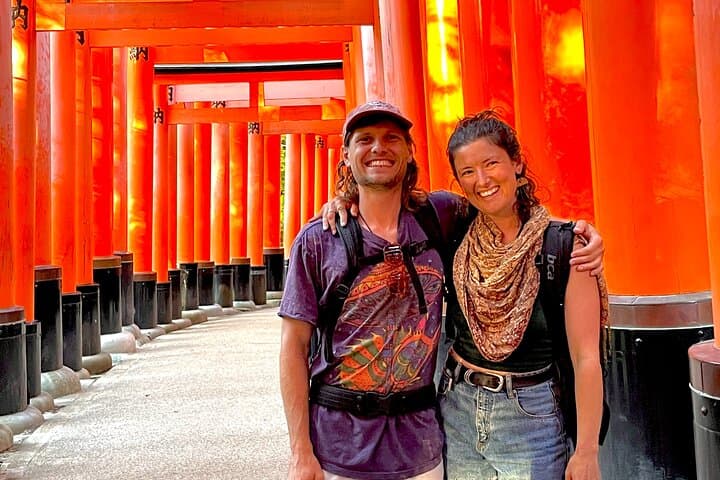
Before the city wakes, Kyoto feels deliberate: paper lanterns dim, train whistles fade, and the first light slices through rows of vermilion torii. You meet at Kyoto Station and move with the morning—a local guide, a small group, and the quiet pulse of the city that only early hours can offer.
Verified experiences and guided adventures in the surrounding area.
Operated by Tomodachi Tours · Kyoto, Kyoto Prefecture
Before the city wakes, Kyoto feels deliberate: paper lanterns dim, train whistles fade, and the first light slices through rows of vermilion torii. You meet at Kyoto Station and move with the morning—a local guide, a small group, and the quiet pulse of the city that only early hours can offer.
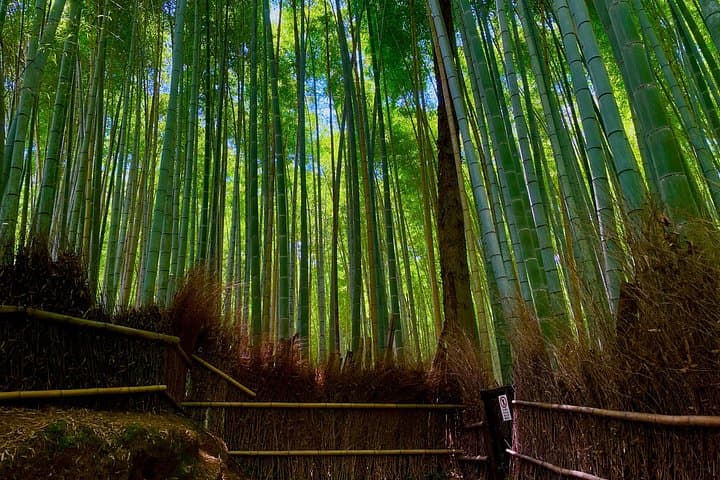
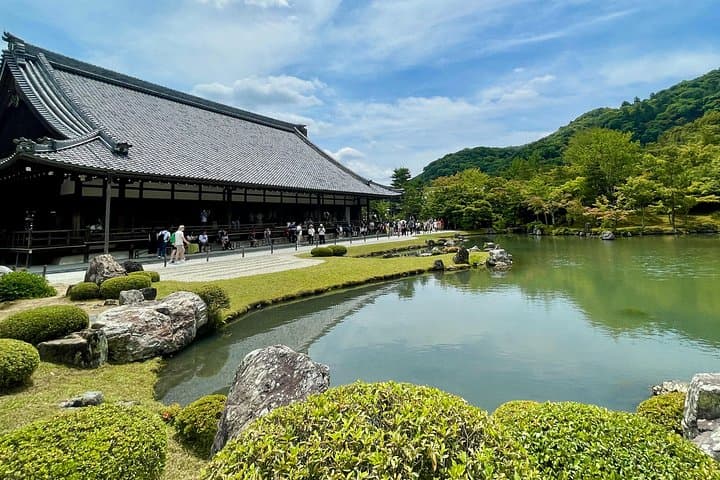
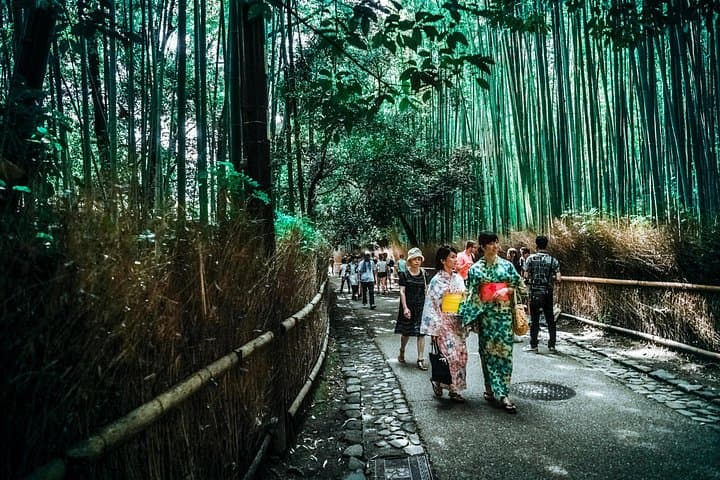
The walk threads three distinct chapters of Kyoto’s past. Fushimi Inari’s thousands of gates climb Mount Inari, embodying Shinto ties to agriculture and commerce; the path’s volcanic stone and moss tell of centuries of pilgrimage. Later, Arashiyama’s bamboo corridors shift the pace—tall stalks creak like a crowd whispering—while nearby Tenryu-ji’s Sogenchi garden lays out Muromachi-era Zen composition, using pond, rock, and tree to compress mountain views into a meditative frame.
Geology and culture intersect here: the Katsura River carved the low valleys that shaped settlement, and human hands have pruned and positioned the landscape for ritual and repose. Local rhythm—train schedules, temple opening times, and seasonal festivals—dictates experience, which is why the tour emphasizes early starts to minimize crowds.
Practical guidance: expect 4–5 hours on foot (roughly 9,000 steps) with short public-transit hops between sites; admission to Tenryu-ji is included. Wear supportive shoes, carry a small daypack with water and a portable charger, and bring cash or an IC card for transit and incidental purchases. Aim for the earliest slot to see torii gates and bamboo paths when light and silence are at their sharpest.
moderate.
4–5 hours.
Comfortable walking fitness; able to cover around 9,000 steps and climb temple stairways without assistance
Tenryu-ji admission is listed as included; other sites like Fushimi Inari and the Bamboo Grove are public areas and do not require a ticket.
Early starts significantly reduce crowds—expect far fewer people than midday, especially at torii gates and bamboo paths.
The tour is family-friendly but requires moderate stamina (stairs and 9,000 steps); notify the operator of mobility concerns before booking.
Public transport fees are not included—bring an IC card or cash to cover trains and buses used between sites.
Fushimi Inari has been a focal point of Shinto devotion for centuries; Tenryu-ji dates to the 14th century and is a UNESCO World Heritage site reflecting Muromachi-era Zen garden design.
Stick to marked paths, avoid feeding wildlife, and pack out trash; early-morning visits help reduce daytime pressure on fragile temple gardens and bamboo stands.
Tomodachi Tours operates guided outdoor trips and adventures with an emphasis on safety, stewardship, and memorable experiences.
Before the city wakes, Kyoto feels deliberate: paper lanterns dim, train whistles fade, and the first light slices through rows of vermilion torii. You meet at Kyoto Station and move with the morning—a local guide, a small group, and the quiet pulse of the city that only early hours can offer.
Before the city wakes, Kyoto feels deliberate: paper lanterns dim, train whistles fade, and the first light slices through rows of vermilion torii. You meet at Kyoto Station and move with the morning—a local guide, a small group, and the quiet pulse of the city that only early hours can offer.
The walk threads three distinct chapters of Kyoto’s past. Fushimi Inari’s thousands of gates climb Mount Inari, embodying Shinto ties to agriculture and commerce; the path’s volcanic stone and moss tell of centuries of pilgrimage. Later, Arashiyama’s bamboo corridors shift the pace—tall stalks creak like a crowd whispering—while nearby Tenryu-ji’s Sogenchi garden lays out Muromachi-era Zen composition, using pond, rock, and tree to compress mountain views into a meditative frame.
Geology and culture intersect here: the Katsura River carved the low valleys that shaped settlement, and human hands have pruned and positioned the landscape for ritual and repose. Local rhythm—train schedules, temple opening times, and seasonal festivals—dictates experience, which is why the tour emphasizes early starts to minimize crowds.
Practical guidance: expect 4–5 hours on foot (roughly 9,000 steps) with short public-transit hops between sites; admission to Tenryu-ji is included. Wear supportive shoes, carry a small daypack with water and a portable charger, and bring cash or an IC card for transit and incidental purchases. Aim for the earliest slot to see torii gates and bamboo paths when light and silence are at their sharpest.