THE ADVENTURE COLLECTIVE® · Independent discovery and booking for outdoor travel

Beat the crowds with an early entry to Chichén Itzá, then cool off in a jungle cenote and sample the colonial charm of Valladolid. This guided full‑day outing blends archaeological storytelling with a refreshing swim and free time to explore.
Beat the crowds with an early entry to Chichén Itzá, then cool off in a jungle cenote and sample the colonial charm of Valladolid. This guided full‑day outing blends archaeological storytelling with a refreshing swim and free time to explore.
The day begins before heat and crowds arrive: the bus pulls up under pale sky and the Kukulcán pyramid emerges, layered in cool shadow. Walking across compacted limestone, visitors feel the stones hum with centuries of ceremony as the guide traces the calendar carved into the façade and points out acoustic tricks at the Great Ball Court.
Verified experiences and guided adventures in the surrounding area.
Operated by Trascendence Group · Pisté, Yucatán
The day begins before heat and crowds arrive: the bus pulls up under pale sky and the Kukulcán pyramid emerges, layered in cool shadow. Walking across compacted limestone, visitors feel the stones hum with centuries of ceremony as the guide traces the calendar carved into the façade and points out acoustic tricks at the Great Ball Court.
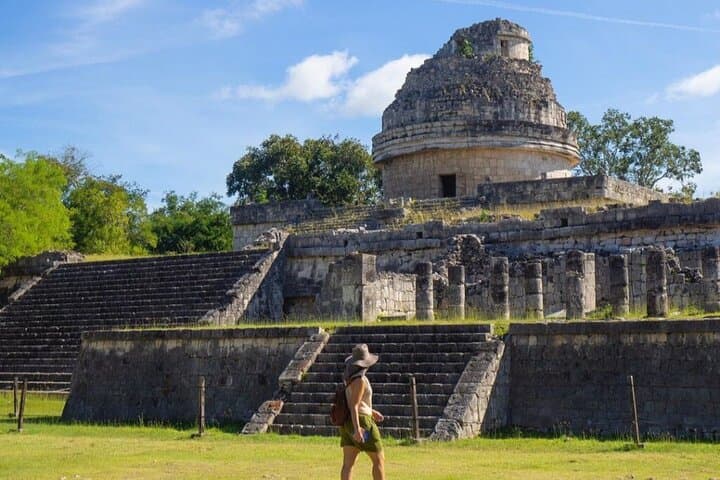
Chichén Itzá grew into a regional power between the Classic and Postclassic Maya periods; its architecture blends Puuc style detail with central Mexican influences, telling of trade routes and shifting politics. Geologically, the Yucatán is a karst plateau—rainwater carved cenotes where groundwater pools in collapsed limestone, creating the crystal blue caverns you’ll swim in later.
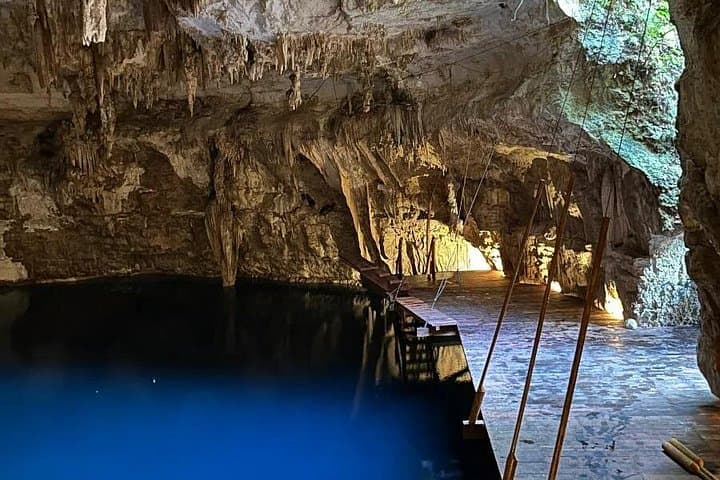
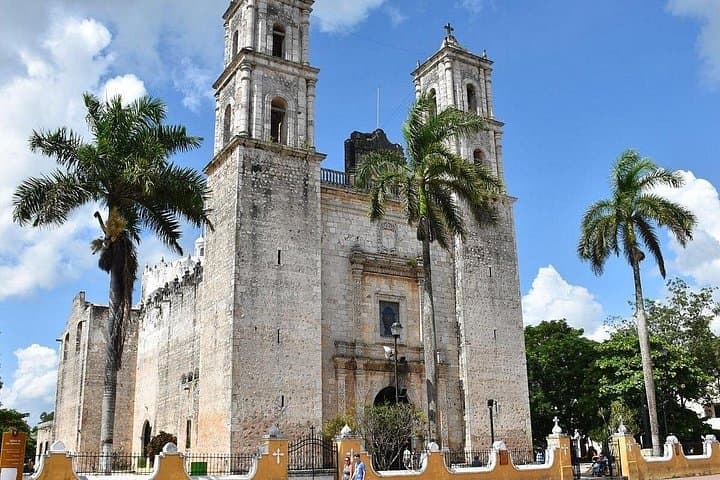
Cenote Noolhá (or alternately Chichikán) offers cool, clear water framed by sheer rock and jungle vines; the water invites a restorative dip after hours on sunbaked stone. A short stop in Valladolid adds a cultural contrast: colonial facades, the church of San Servacio, and local vendors selling cochinita and handcrafts.
Practical notes: bring a full day’s mindset—light layers for early cool, breathable clothes for midday heat, sturdy walking shoes for uneven stone, and a swimsuit with a towel for the cenote (life vests are mandatory). Expect a long day—transport from Cancun often adds transit time—and plan for the preservation tax at the archaeological site. Respect barriers and photography rules; the site’s protection ensures future visitors can experience the place the same way.
moderate.
12–13 hours.
Suitable for travelers in average health; requires standing and walking on uneven surfaces for extended periods and basic swimming ability for the cenote.
Most tour prices do not include the site’s preservation tax (around $17 USD) which is paid separately; confirm with your operator before arrival.
No—climbing the Temple of Kukulcán is prohibited to protect the structure; visitors can walk around and photograph from the permitted viewing areas.
Yes; life vests are mandatory and local staff often supervise cenote access; follow safety briefings and avoid diving into shallow areas.
Typical itineraries include about 1–2 hours for a guided Chichén Itzá visit, additional free time, and roughly 45–60 minutes at the cenote, but timing varies by operator.
Chichén Itzá was a major Maya ceremonial and economic center from roughly the 7th to 12th centuries; the Kukulcán pyramid encodes astronomical and calendrical knowledge in its architecture.
The site and surrounding cenotes are protected; visitors should avoid throwing items in cenotes, follow path restrictions, and minimize plastic use to reduce impacts.
Trascendence Group operates guided outdoor trips and adventures with an emphasis on safety, stewardship, and memorable experiences.
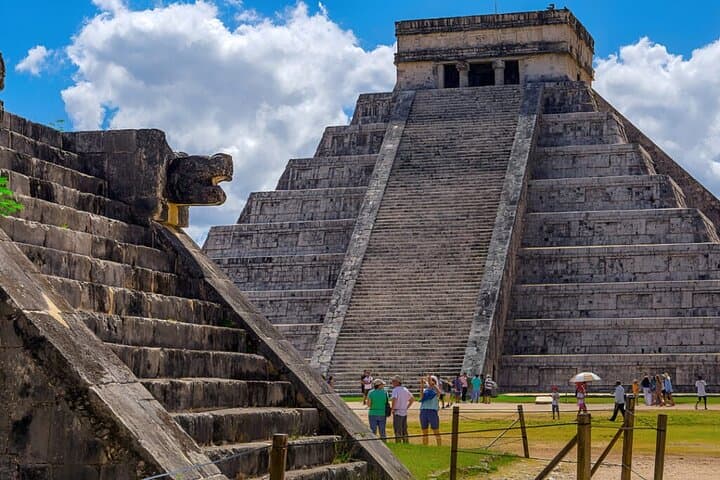
The day begins before heat and crowds arrive: the bus pulls up under pale sky and the Kukulcán pyramid emerges, layered in cool shadow. Walking across compacted limestone, visitors feel the stones hum with centuries of ceremony as the guide traces the calendar carved into the façade and points out acoustic tricks at the Great Ball Court.
The day begins before heat and crowds arrive: the bus pulls up under pale sky and the Kukulcán pyramid emerges, layered in cool shadow. Walking across compacted limestone, visitors feel the stones hum with centuries of ceremony as the guide traces the calendar carved into the façade and points out acoustic tricks at the Great Ball Court.
Chichén Itzá grew into a regional power between the Classic and Postclassic Maya periods; its architecture blends Puuc style detail with central Mexican influences, telling of trade routes and shifting politics. Geologically, the Yucatán is a karst plateau—rainwater carved cenotes where groundwater pools in collapsed limestone, creating the crystal blue caverns you’ll swim in later.
Cenote Noolhá (or alternately Chichikán) offers cool, clear water framed by sheer rock and jungle vines; the water invites a restorative dip after hours on sunbaked stone. A short stop in Valladolid adds a cultural contrast: colonial facades, the church of San Servacio, and local vendors selling cochinita and handcrafts.
Practical notes: bring a full day’s mindset—light layers for early cool, breathable clothes for midday heat, sturdy walking shoes for uneven stone, and a swimsuit with a towel for the cenote (life vests are mandatory). Expect a long day—transport from Cancun often adds transit time—and plan for the preservation tax at the archaeological site. Respect barriers and photography rules; the site’s protection ensures future visitors can experience the place the same way.