THE ADVENTURE COLLECTIVE® · Independent discovery and booking for outdoor travel

An early-morning trek across Horton Plains delivers montane birdlife, sweeping escarpments and cool cloud-forest air. This guided walk is ideal for moderate hikers who want focused birdwatching with practical, local guidance.
An early-morning trek across Horton Plains delivers montane birdlife, sweeping escarpments and cool cloud-forest air. This guided walk is ideal for moderate hikers who want focused birdwatching with practical, local guidance.
Mist hugs the high grass as you step from the minibus into a cool, thin air—Horton Plains opens like a page of live geology. The trail winds across montane grassland and into cloud-forest pockets where tree trunks wear moss like armor and birds treat the canopy as a highway.
Verified experiences and guided adventures in the surrounding area.
Operated by Lakpura LLC · Nuwara Eliya, Central Province
Mist hugs the high grass as you step from the minibus into a cool, thin air—Horton Plains opens like a page of live geology. The trail winds across montane grassland and into cloud-forest pockets where tree trunks wear moss like armor and birds treat the canopy as a highway.
Designated a national park in 1988, Horton Plains sits at 2,100–2,300 m on Sri Lanka’s central plateau. The landscape is a product of uplifted plateau and persistent moisture: peat-rich soils, exposed rock outcrops and abrupt escarpments such as the famous World’s End overlook. The area has long been important to local communities for hill agriculture and tea estates below; today the park protects island-endemic species and the watershed that feeds the lowlands.
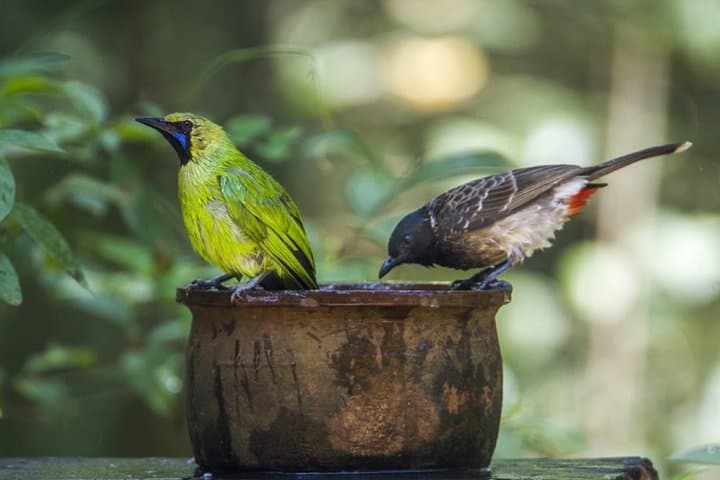
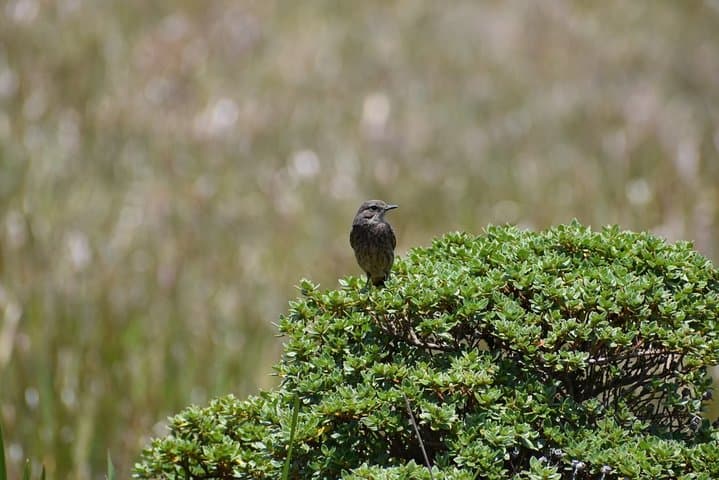
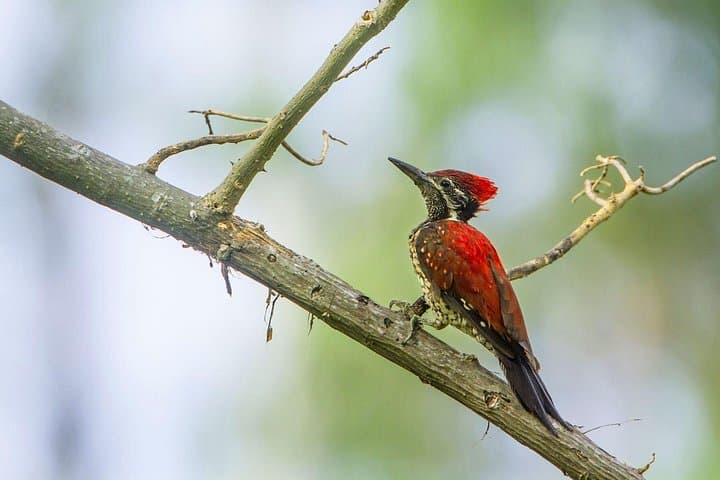
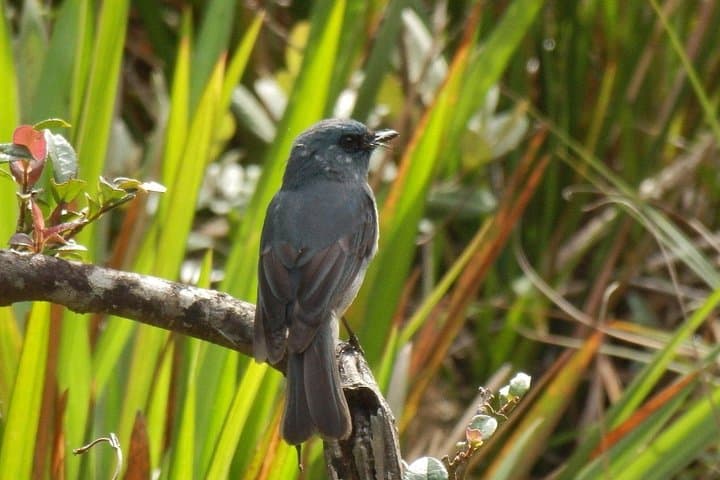
Expect close encounters with highland birds—Sri Lanka white-eye, black‑throated munia and the skittish Sri Lanka bush warbler—plus butterflies and small mammals moving through grasses. A knowledgeable guide points out subtle calls, identifies foraging behavior, and times stops where light and wind uncover skulking species.
Practicalities: the walk is primarily on well‑defined trails but can be wet and muddy; wear grippy boots, dress in layers, and carry water and a packed breakfast for the early start. Morning hours (before 9 a.m.) are best for bird activity and clearer views at vantage points. The route suits moderately fit walkers and is typically completed in about four hours. Leave no trace: the park’s peat soils and fragile alpine plants recover slowly from trampling.
moderate.
4 hours.
Moderate fitness: comfortable walking on uneven, sometimes wet trails and short uphill sections
Typical guided walks last about four hours round trip, covering plateau trails and key viewpoints like Baker’s Falls or the escarpment overlooks.
Yes—entry fees apply and are usually paid at the park gate; your tour operator often handles this but carry cash just in case.
Bird activity is strong year-round, but early morning visits during the drier months (December–April) often provide clearer skies and easier footing.
The path is well-defined but exposed; children and older walkers can join if reasonably fit and paced—discuss mobility needs with your guide beforehand.
Horton Plains was designated a national park in 1988 to protect its unique montane grasslands and cloud forests, and it forms part of a larger central highlands World Heritage Area.
The park’s peat soils and endemic species are sensitive to trampling and invasive species; staying on marked trails and avoiding single-use plastics helps protect this fragile ecosystem.
Lakpura LLC operates guided outdoor trips and adventures with an emphasis on safety, stewardship, and memorable experiences.
Mist hugs the high grass as you step from the minibus into a cool, thin air—Horton Plains opens like a page of live geology. The trail winds across montane grassland and into cloud-forest pockets where tree trunks wear moss like armor and birds treat the canopy as a highway.
Mist hugs the high grass as you step from the minibus into a cool, thin air—Horton Plains opens like a page of live geology. The trail winds across montane grassland and into cloud-forest pockets where tree trunks wear moss like armor and birds treat the canopy as a highway.
Designated a national park in 1988, Horton Plains sits at 2,100–2,300 m on Sri Lanka’s central plateau. The landscape is a product of uplifted plateau and persistent moisture: peat-rich soils, exposed rock outcrops and abrupt escarpments such as the famous World’s End overlook. The area has long been important to local communities for hill agriculture and tea estates below; today the park protects island-endemic species and the watershed that feeds the lowlands.
Expect close encounters with highland birds—Sri Lanka white-eye, black‑throated munia and the skittish Sri Lanka bush warbler—plus butterflies and small mammals moving through grasses. A knowledgeable guide points out subtle calls, identifies foraging behavior, and times stops where light and wind uncover skulking species.
Practicalities: the walk is primarily on well‑defined trails but can be wet and muddy; wear grippy boots, dress in layers, and carry water and a packed breakfast for the early start. Morning hours (before 9 a.m.) are best for bird activity and clearer views at vantage points. The route suits moderately fit walkers and is typically completed in about four hours. Leave no trace: the park’s peat soils and fragile alpine plants recover slowly from trampling.