THE ADVENTURE COLLECTIVE® · Independent discovery and booking for outdoor travel

Pedal Agra at dawn to see markets, Dhobi Ghat, temples and nearby villages before the heat and crowds arrive. This early-morning cycling tour pairs close cultural encounters with flat, urban routes—ideal for moderately fit travelers who want an offbeat look at the city.
Pedal Agra at dawn to see markets, Dhobi Ghat, temples and nearby villages before the heat and crowds arrive. This early-morning cycling tour pairs close cultural encounters with flat, urban routes—ideal for moderately fit travelers who want an offbeat look at the city.
Before the city wakes fully, a small group pushes off into Agra’s cool dawn—bicycles whisper on wet pavement while the Yamuna slips by, daring riders to follow its curve. Streetlamps still cast long shadows on market stalls where flower sellers arrange marigolds and laundry workers at Dhobi Ghat begin their ritual.
Verified experiences and guided adventures in the surrounding area.
Operated by Food Tour In Delhi · Agra, Uttar Pradesh
Before the city wakes fully, a small group pushes off into Agra’s cool dawn—bicycles whisper on wet pavement while the Yamuna slips by, daring riders to follow its curve. Streetlamps still cast long shadows on market stalls where flower sellers arrange marigolds and laundry workers at Dhobi Ghat begin their ritual.
Agra sits on the alluvial plains of the Yamuna, shaped by river silt rather than mountain rock. The ride threads Mughal-era masonry and colonial brickwork, past red-sandstone mosques and compact Hindu temples that predate modern traffic. In nearby villages, mud-walled houses and handloom looms offer a direct line to daily life outside the tourist circuit.
This two- to two-and-a-half-hour tour emphasizes close-up cultural contact over monuments. Expect paved roads, occasional cobbles and narrow lanes; the route is largely flat with negligible elevation gain, but busy urban traffic requires steady bike handling and quick decision-making.
Practical notes: tours usually start around 6:00 a.m. and finish by 8:30 a.m., making the temperature and light favorable for photos and market visits. Bottled water and a bicycle are provided, but riders should bring a helmet, sun protection, modest clothing for temple visits, and small local currency for market purchases. Keep valuables secure and ask before photographing people. Moderate fitness and basic urban cycling skills are required.
The experience balances sensory immediacy—spice scents, ringing temple bells—with practical travel rhythms, offering an offbeat way to learn Agra’s living history.
moderate.
2–2.5 hours.
Moderate—comfortable on a bike for two hours, with the ability to ride in city traffic and stop frequently.
Bicycles are provided; some operators include helmets—confirm at booking and bring your own if preferred.
This offbeat morning ride focuses on markets, Dhobi Ghat, temples and villages rather than monument entry; Taj Mahal views are typically not included.
Yes, if the rider is comfortable cycling in urban traffic and has moderate fitness; children should be able to handle two hours on a bike.
Guides commonly speak English and Hindi; ask the operator about other language support when booking.
Agra was a prominent Mughal capital; its streets and monuments reflect layers of Mughal and colonial-era architecture and planning.
The city faces river pollution and plastic waste challenges—travelers can reduce impact by using refillable bottles and disposing of trash responsibly.
Food Tour In Delhi operates guided outdoor trips and adventures with an emphasis on safety, stewardship, and memorable experiences.
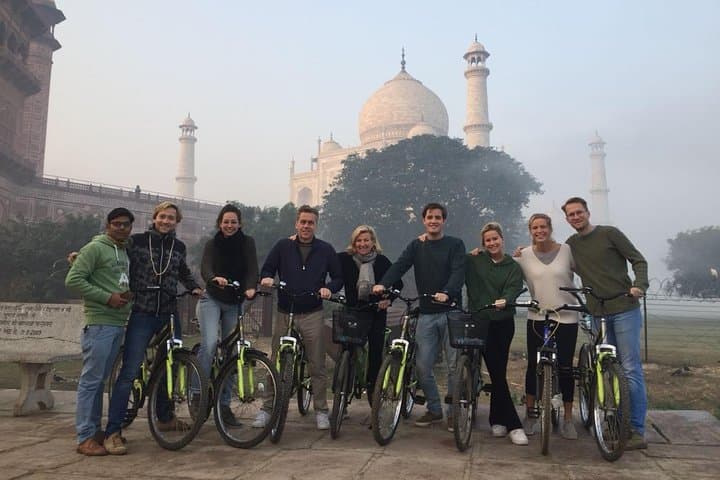

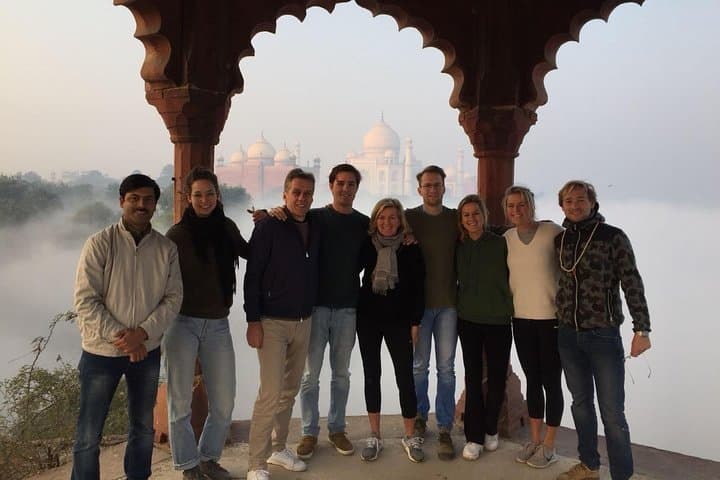

Before the city wakes fully, a small group pushes off into Agra’s cool dawn—bicycles whisper on wet pavement while the Yamuna slips by, daring riders to follow its curve. Streetlamps still cast long shadows on market stalls where flower sellers arrange marigolds and laundry workers at Dhobi Ghat begin their ritual.
Before the city wakes fully, a small group pushes off into Agra’s cool dawn—bicycles whisper on wet pavement while the Yamuna slips by, daring riders to follow its curve. Streetlamps still cast long shadows on market stalls where flower sellers arrange marigolds and laundry workers at Dhobi Ghat begin their ritual.
Agra sits on the alluvial plains of the Yamuna, shaped by river silt rather than mountain rock. The ride threads Mughal-era masonry and colonial brickwork, past red-sandstone mosques and compact Hindu temples that predate modern traffic. In nearby villages, mud-walled houses and handloom looms offer a direct line to daily life outside the tourist circuit.
This two- to two-and-a-half-hour tour emphasizes close-up cultural contact over monuments. Expect paved roads, occasional cobbles and narrow lanes; the route is largely flat with negligible elevation gain, but busy urban traffic requires steady bike handling and quick decision-making.
Practical notes: tours usually start around 6:00 a.m. and finish by 8:30 a.m., making the temperature and light favorable for photos and market visits. Bottled water and a bicycle are provided, but riders should bring a helmet, sun protection, modest clothing for temple visits, and small local currency for market purchases. Keep valuables secure and ask before photographing people. Moderate fitness and basic urban cycling skills are required.
The experience balances sensory immediacy—spice scents, ringing temple bells—with practical travel rhythms, offering an offbeat way to learn Agra’s living history.