THE ADVENTURE COLLECTIVE® · Independent discovery and booking for outdoor travel

Beat the heat and crowds with early entry to Chichén Itzá. A certified native guide leads a focused two-hour exploration of Kukulkan, the Great Ball Court and the Observatory before the site fills up.
Beat the heat and crowds with early entry to Chichén Itzá. A certified native guide leads a focused two-hour exploration of Kukulkan, the Great Ball Court and the Observatory before the site fills up.
The sun has not yet baked the limestone when your small group gathers at the main gate. At 7:50 a.m. you trade the roadside hum of Pisté for the hush of an archaeological zone that has just opened. The first steps across packed earth feel decisive; the pyramid of KUKULCAN rises ahead, its silhouette clean against a pale sky, the plaza waiting to be read.
Verified experiences and guided adventures in the surrounding area.
Operated by Mayanworldtours · Pisté, Yucatán
The sun has not yet baked the limestone when your small group gathers at the main gate. At 7:50 a.m. you trade the roadside hum of Pisté for the hush of an archaeological zone that has just opened. The first steps across packed earth feel decisive; the pyramid of KUKULCAN rises ahead, its silhouette clean against a pale sky, the plaza waiting to be read.
Chichén Itzá was a crossroads of politics, trade and astronomy for the Terminal Classic Maya. The pyramid’s proportions encode calendars; the nearby Observatory aligns with solstices. Geologically, you’re walking on uplifted Pleistocene limestone and fractured karst that channels cenotes — underground water features that fed ancient settlements and still mark the landscape.
A certified native guide leads a focused two-hour tour through Plaza Norte and Plaza Sur, the Temple of Warriors, the Great Ball Court and the Sacred Cenote, explaining construction techniques, iconography and how astronomy shaped ritual. After the guided portion you’ll have time to loop back to the Observatory or linger at a quieter corner of the site.
Practical edge: plan for heat, sun and uneven stone surfaces. Bring cash for the entrance ticket if not included, a wide-brim hat, sunblock and 1–2 liters of water. Cameras are welcome but backpacks may be inspected; modest walking shoes with grip make the route easier. If you’re sensitive to crowds or heat, this early-entry format minimizes both. Expect two hours of guided walking plus optional self-exploration; mobility-challenged travelers should note uneven terrain and steps.
moderate.
2 hours (guided) + optional self-exploration.
Moderate fitness for walking on uneven ground and short stair sections; participants should be able to stand and walk for up to two hours.
No—the tour arranges skip-the-line entry guidance, but many operators ask you to reimburse the official ticket cost on site in cash if not purchased in advance.
This shared tour limits groups to small sizes (up to about 8) to keep the experience personal and manageable.
Much of the archaeological zone has uneven stone and steps; accessibility is limited—contact the operator ahead to discuss options.
Yes—after the two-hour guided portion most visitors are allowed to continue exploring the site independently within visiting hours.
Chichén Itzá became a major regional center between the Late Classic and Terminal Classic periods; its architecture blends Puuc and central Mexican influences reflecting long-distance exchange.
Visitor pressure and natural erosion threaten exposed stonework—staying on designated paths and following guide instructions helps reduce wear and supports preservation efforts.
Mayanworldtours operates guided outdoor trips and adventures with an emphasis on safety, stewardship, and memorable experiences.
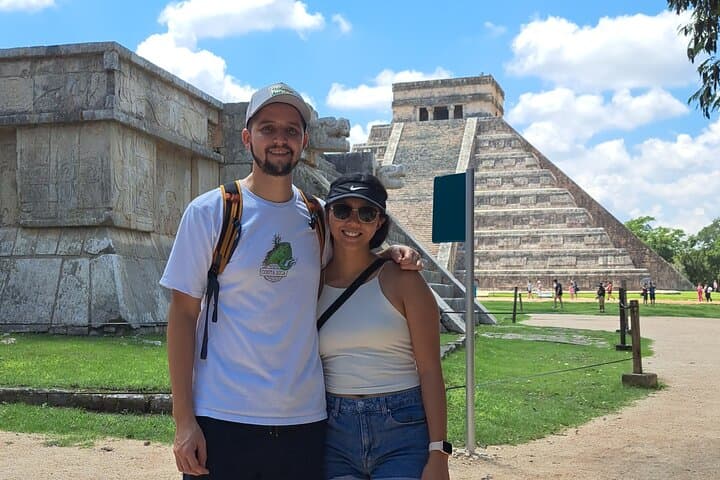
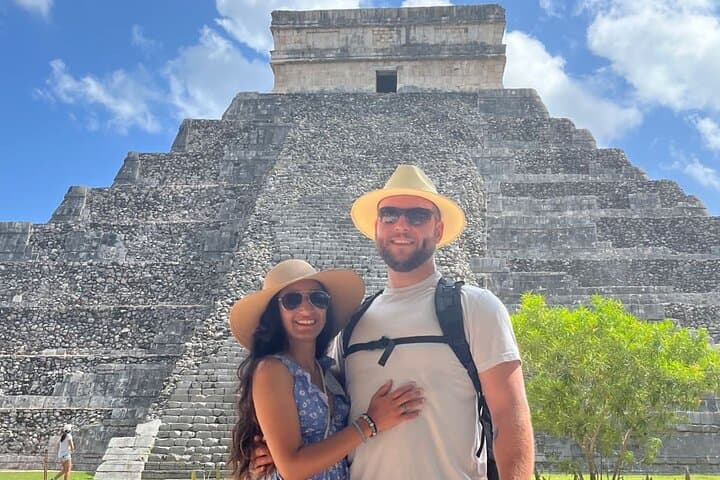
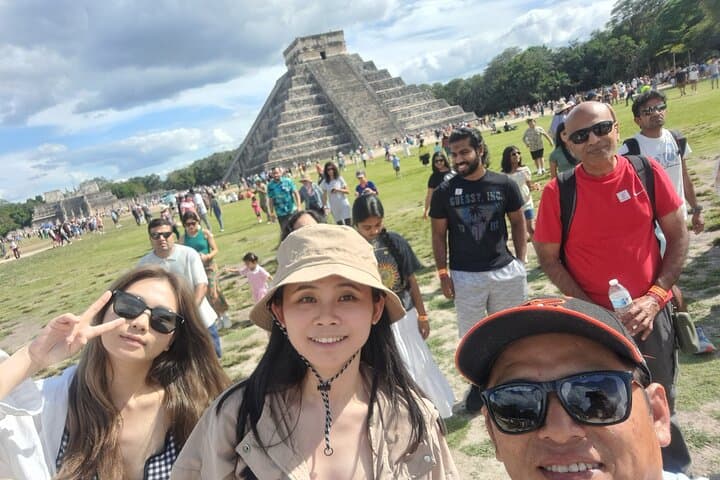
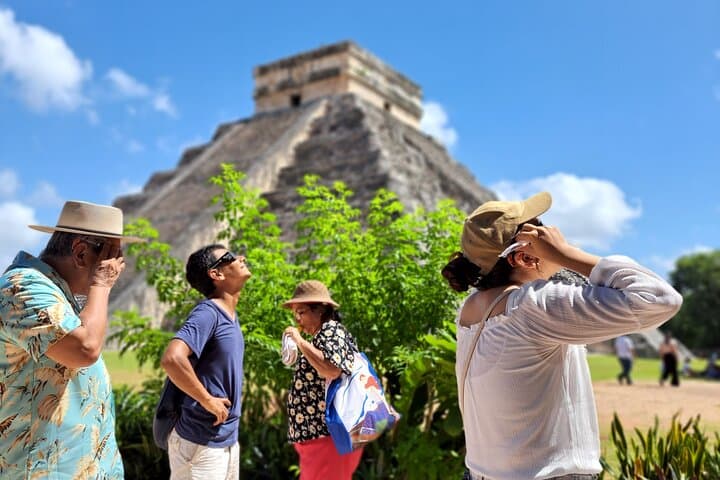
The sun has not yet baked the limestone when your small group gathers at the main gate. At 7:50 a.m. you trade the roadside hum of Pisté for the hush of an archaeological zone that has just opened. The first steps across packed earth feel decisive; the pyramid of KUKULCAN rises ahead, its silhouette clean against a pale sky, the plaza waiting to be read.
The sun has not yet baked the limestone when your small group gathers at the main gate. At 7:50 a.m. you trade the roadside hum of Pisté for the hush of an archaeological zone that has just opened. The first steps across packed earth feel decisive; the pyramid of KUKULCAN rises ahead, its silhouette clean against a pale sky, the plaza waiting to be read.
Chichén Itzá was a crossroads of politics, trade and astronomy for the Terminal Classic Maya. The pyramid’s proportions encode calendars; the nearby Observatory aligns with solstices. Geologically, you’re walking on uplifted Pleistocene limestone and fractured karst that channels cenotes — underground water features that fed ancient settlements and still mark the landscape.
A certified native guide leads a focused two-hour tour through Plaza Norte and Plaza Sur, the Temple of Warriors, the Great Ball Court and the Sacred Cenote, explaining construction techniques, iconography and how astronomy shaped ritual. After the guided portion you’ll have time to loop back to the Observatory or linger at a quieter corner of the site.
Practical edge: plan for heat, sun and uneven stone surfaces. Bring cash for the entrance ticket if not included, a wide-brim hat, sunblock and 1–2 liters of water. Cameras are welcome but backpacks may be inspected; modest walking shoes with grip make the route easier. If you’re sensitive to crowds or heat, this early-entry format minimizes both. Expect two hours of guided walking plus optional self-exploration; mobility-challenged travelers should note uneven terrain and steps.